REVIEW · MALLORCA
Spanish Cooking Class Palma meals+drinks 7 dishes Full meals
Book on Viator →Operated by Nautic Mooring SLU · Bookable on Viator
A market-to-meal night beats guessing where to eat. This Palma cooking class turns Mercat de S’olivar ingredients into a full 7-dish meal, with drinks flowing and an English-speaking host. I love the small-group setup (max 12) and the fact that you leave with new skills plus recipes. One thing to think about: this is not always a hands-on, one-stove-for-every-person style class, so you might do specific tasks while the chef leads parts of the cooking.
You meet in the Centre area near public transport, then you spend about three hours cooking, eating, and learning why Spanish favorites taste the way they do. In past groups, hosts and chefs have included names like Charlotte, Amo, Ceci, Andreas, Andres, Mily/Milli, Lorena, and Bai—so you’ll get a real local feel, not a script reading. You’ll also want to go hungry. You’ll definitely finish full.
In This Review
- Key things I’d bet on before you book
- Mercat de S’olivar to your cutting board in Palma
- The 7-dish menu teaches technique, not just taste
- Spanish tortilla as your first lesson
- Ceviche: a Spanish-Mediterranean and Peruvian-style twist
- Chistorra al sake: sausage with a surprise pairing
- Paella seafood: the iconic centerpiece
- Dessert: crema catalana plus a yuzu-inspired twist
- How the class actually feels once you arrive
- Drinks and atmosphere: wine, cava, and good energy
- Small-group value: why $107.63 can be fair (if you use it right)
- Who should book this Palma cooking class?
- Practical tips so you get the most out of your evening
- Should you book this Spanish Cooking Class in Palma?
- FAQ
- FAQ
- How long is the Spanish cooking class in Palma?
- How many dishes are included?
- Is it a small group?
- What’s the meeting point?
- Are meals and drinks included?
- Does the class require hotel pickup?
- What language is the class offered in?
- Is a mobile ticket provided?
- What is the cancellation refund window?
Key things I’d bet on before you book
- Mercat de S’olivar start: you’re not just cooking blind; you’re learning from the ingredients.
- 7 dishes, full meals included: you’re eating like you planned the night well.
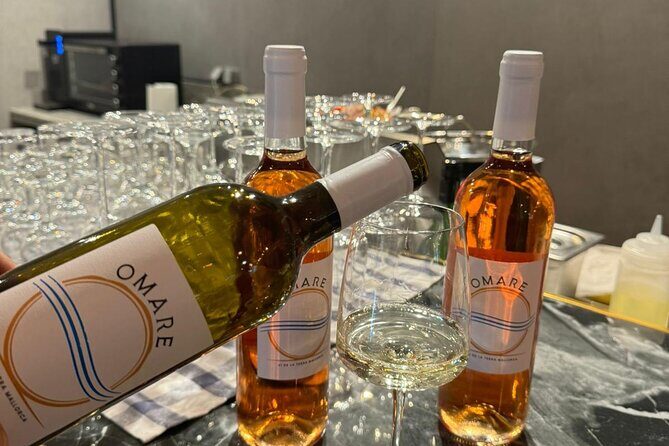
- Open bar with water, soft drinks, and wines: drink is part of the experience, not an add-on.
- Small group max 12: easier to ask questions and get help at the right moment.
- Mix of classics + Mediterranean fusion: Spanish basics plus unexpected twists like Peruvian-style ceviche.
- Recipes included: you can recreate the meal later, not just remember it.
Mercat de S’olivar to your cutting board in Palma
This class is built like a proper food night in Palma de Mallorca: start in the market area, then move into cooking mode, then sit down and actually eat what you made. The meeting point is Plaça de l’Olivar, 5, in the Centre, and the activity ends back there. So you’re not stuck wandering across town afterward.
The market stop matters more than it sounds. You learn what you’re buying and why Spanish cooking leans on seasonal ingredients, not fancy shortcuts. It’s also a great way to orient yourself in Palma. Even if you’re not a “market person,” this is still a smart start because it connects the flavors you’ll eat later to real produce and local pantry staples.
I like that it’s about three hours. That’s enough time to do a real meal, but not so long that the whole night collapses into tiredness. If your day has been walking around Palma’s old lanes, this is a practical indoor plan. Hot day? Busy day? This style works.
You can also read our reviews of more cooking classes in Mallorca
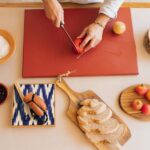
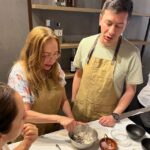
The 7-dish menu teaches technique, not just taste
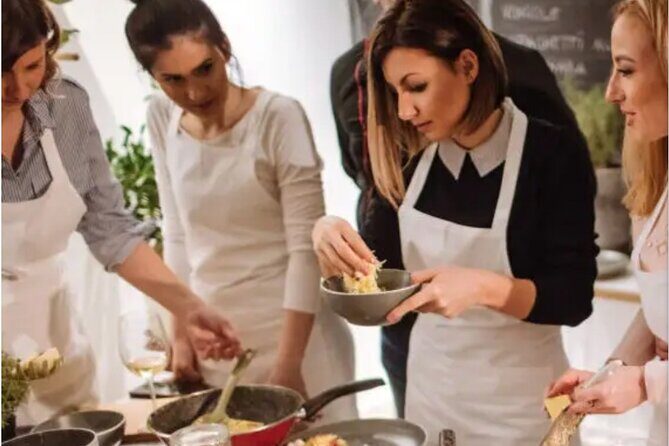
You’re in for a full spread. The menu is built around a Spanish core, then it adds Mediterranean and international touches that make it feel current without turning it into total foreign food.
Here’s what you can expect to see on the table:
Spanish tortilla as your first lesson
The Spanish tortilla is the classic start: potatoes, onions, and eggs. It’s simple on paper, but the cooking method is where the magic lives. You get to see how potato texture changes the final bite, and how eggs set while keeping the center tender.
If you’ve only had tortilla that tasted like an omelet, this is your fix. You’ll come away with a better sense of how patience affects Spanish staples.
Ceviche: a Spanish-Mediterranean and Peruvian-style twist
You’ll also make ceviche, which is where the class shows its “fusion” side. Ceviche isn’t just raw fish theatrics. The key is balance—acidity, salt, and timing—so the citrus doesn’t flatten the flavor.
This dish is a nice contrast to the warmer, heavier Spanish items. After tortilla, ceviche feels like a reset.
Chistorra al sake: sausage with a surprise pairing
For the chistorra course, the idea is chistorra paired with cider. This one helps you understand how pairing changes the whole impression of a familiar ingredient. Sausage is already rich, so the drink component (and how it’s used in the flavor plan) matters.
It’s also a fun reminder that Spanish food doesn’t only chase tradition—it also experiments.
You can also read our reviews of more tours and experiences in Mallorca





Paella seafood: the iconic centerpiece
Then comes the big one: paella with seafood. Paella is one of those dishes people talk about as if it’s one recipe. Here, the value is that you learn how it’s built as a process: timing, heat, and how the rice picks up flavor from the surrounding ingredients.
Even if you’ve made paella before, you’ll probably leave with at least one takeaway you didn’t have before.
Dessert: crema catalana plus a yuzu-inspired twist
For dessert, you’ll have espuma de crema catalana, described as a fusion of Crema Catalana and a yuzu ice-cream-inspired flavor concept. The point is texture and contrast. Espuma usually means light, airy, and served differently than a thick custard.
This final course is a good “Palma souvenir” because it’s not the kind of dessert you’ll accidentally recreate by default.
How the class actually feels once you arrive
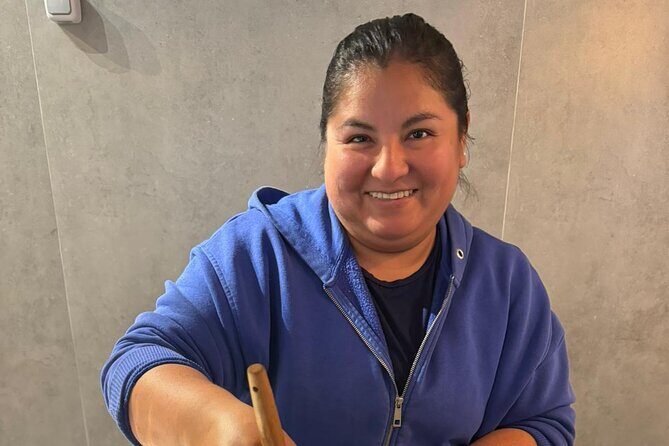
One theme pops up in the way people describe the experience: it’s fun and social, but it doesn’t always feel like a traditional teaching classroom where everyone is stationed at their own stove the entire time. Think of it as a chef-led evening where you get hands-on tasks, while the chef drives key steps.
That can be a good thing. You won’t be stuck guessing. And since the group size is small (max 12), you’re more likely to get attention when you need it—whether that’s for a technique question or help with timing.
You’ll probably notice the pace is set for a group meal experience. In other words, you cook, taste, adjust, and then move toward serving. If you’re hoping for a strict “everyone cooks every component solo” format, you may find it’s more collaborative than classroom-style.
Also, bring the right mindset: this is not just about what’s on your plate. It’s about watching how the chef talks about ingredients and why certain steps happen when they do.
Drinks and atmosphere: wine, cava, and good energy
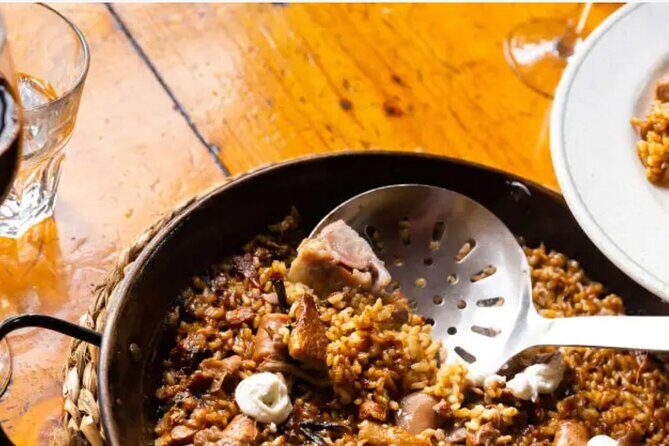
The class includes an open bar with water, soft drinks, and wines. Some groups also mention getting cava as a welcome drink, and the bar experience can feel festive rather than formal. Expect music and a lively restaurant environment.
This is an “eat well and have a good time” setup. It’s also a reason this class works especially well for couples and small groups: you can talk, cook, and share courses without planning your night around reservations.
A practical note: drink is included, so slow down a bit with the wine as you cook. You want full taste control when you’re learning the flavors—plus, you’ll likely be carrying yourself home afterward.
Small-group value: why $107.63 can be fair (if you use it right)
Let’s talk value. At $107.63 per person for about three hours, you’re not paying only for instruction. You’re paying for:
- a local cuisine expert-led workshop
- all ingredients and cooking materials
- meals (full food courses)
- drinks (water, soft drinks, and wines)
- recipes included
That combo is what makes the price make sense. A regular cooking class might give you a recipe and one dish. Here, you’re eating a 7-dish meal, which is a big deal in Palma where dinner prices add up fast.
To get the best value, do two things:
1) Come with an appetite. You’re going home full.
2) Pay attention to process. If you treat it like a performance meal, you’ll eat well but learn less.
If you’re a food lover who wants both fun and a skill boost, this fits. If you’re only interested in watching and not helping much, you’ll still eat, but you may feel less connected to the cooking side.
Who should book this Palma cooking class?
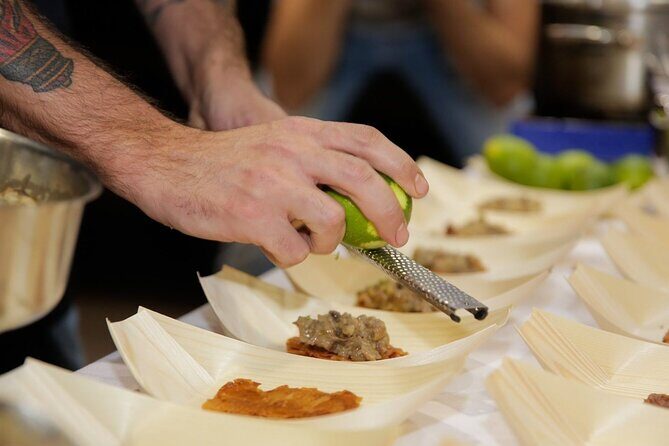
This is a strong choice if you:
- want a Spanish cooking experience in Palma de Mallorca that includes real eating time
- prefer small groups (max 12) over big bus-style tours
- like learning the “why” behind classic dishes like tortilla and seafood paella
- want an indoor plan that doesn’t rely on finding a last-minute restaurant
It also works well for people with dietary needs in at least some cases. One guest reported being able to go gluten-free with no problem. Still, don’t assume. If you have a serious allergy, message the operator before you go.
Families can sometimes enjoy it too, since some guests have described doing it as a day stop from a cruise. If you’re traveling with kids, the best approach is to ask about how hands-on tasks are handled for younger guests and what the age rules are for your booking.
Practical tips so you get the most out of your evening
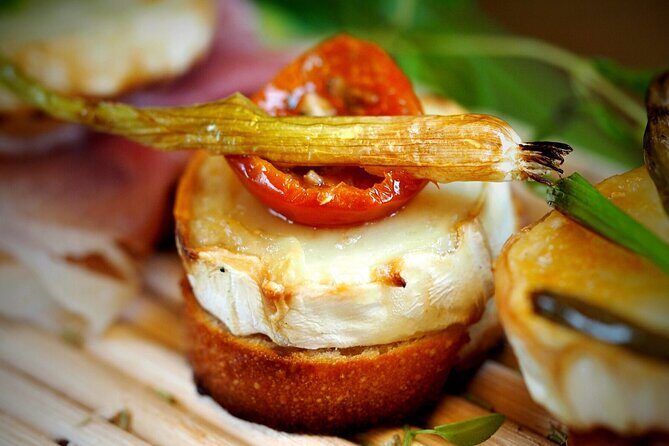
Here’s how to make your night smoother:
- Arrive a few minutes early and check in clearly. If you slip in late, you risk missing the start of the market and the first instruction flow.
- Go in thinking you’ll help on at least a couple steps. It’s a hands-on style, but it’s chef-led.
- Wear something you don’t mind smelling faintly like onions or citrus afterward. That’s the souvenir nobody warns you about.
- Ask questions as you cook. Small group size only helps if you speak up.
If you’re booking through a third-party website, it’s worth double-checking your exact date with the operator before you travel. One guest described a date mismatch that cost them time and money. You can prevent headaches with one quick confirmation.
Also keep in mind that the experience has a minimum number of travelers. If it doesn’t meet that minimum, you may be offered another date or a refund.
Should you book this Spanish Cooking Class in Palma?
If you want a fun, social, ingredient-to-meal evening—and you’re happy with a chef-led “you help at key steps” style—then yes, I’d book it. The biggest reasons are the combination of 7 dishes, included drinks, recipes, and a small group. That’s a lot of food and learning for one set price.
Skip it only if you know you’ll feel frustrated by a more guided format where you might not personally handle every minute step at a stove. Also think twice if you need total schedule certainty for a single fixed date, because classes can be adjusted if minimum numbers aren’t met.
FAQ
FAQ
How long is the Spanish cooking class in Palma?
It lasts about 3 hours (approx.).
How many dishes are included?
You can expect a full 7-dish meal.
Is it a small group?
Yes. The group size has a maximum of 12 travelers.
What’s the meeting point?
Meet at Plaça de l’Olivar, 5, Centre, 07002 Palma, Illes Balears, Spain.
Are meals and drinks included?
Yes. Meals are included, and there’s an open bar with water, soft drinks, and wines.
Does the class require hotel pickup?
No. Hotel pickup and drop-off are not included.
What language is the class offered in?
The class is offered in English.
Is a mobile ticket provided?
Yes, you’ll receive a mobile ticket.
What is the cancellation refund window?
You can cancel up to 24 hours in advance for a full refund. Canceling less than 24 hours before the start time isn’t refunded.