REVIEW · MALLORCA
Spanish Cooking Class Palma meals+drinks 7 dishes Full meals
Book on Viator →Operated by Sail palma · Bookable on Viator
Paella and wine in Palma in three hours—yes, please. This Spanish cooking class in the heart of Palma is built for hands-on fun with a small group (max 12), and you’re eating a 7-dish full meal while learning traditional techniques. I love how the format gives clear, turn-taking instruction even if you’re a total beginner. The only real drawback to plan for is that some meal prep may be done ahead, so you might do less cooking than you imagined.
You’ll work at a station to chop, sauté, and cook, then sit down often to enjoy what’s been made. The open bar covers water, soft drinks, and wines, so the whole evening moves at a relaxed pace. Just note there’s no vegan food option, and the sample starter includes sobrassada suquet—so it’s best for people who eat meat.
In This Review
- Quick hits if you want the real deal
- Palma’s Cooking Class Setup: Central Location, Small Room Energy
- Price and What $107.41 Buys You in Real Terms
- Where You’ll Meet at Plaça de l’Olivar (and How to Avoid the “Wait… where?” Moment)
- What Happens in 3 Hours: A Real Sequence, Not Just a Demo
- Step one: getting comfortable at the station
- Step two: the course rhythm
- The Food Lineup: Sobrasada Suquet, Mixed Paella, and Cream Catalan
- Starter: local sobrasada suquet (not vegetarian/vegan)
- Main: mixed paella (meat and fish together)
- Dessert: cream catalan
- The rest of the 7 dishes
- How Much Cooking You Actually Do (and Who This Works For)
- Drinks and the Social Side: Open Bar, Big Conversation Energy
- Dietary Reality Check: No Vegan Food, and a Meat-Forward Menu
- Language and Instruction: English-Friendly, Plus Multilingual Support
- Modern Kitchen, Real Tasting, and Recipes You Can Use Later
- Who Should Book This Spanish Cooking Class in Palma
- Should You Book It? My Take Before You Commit
- FAQ
- How long is the Spanish cooking class in Palma?
- How many people are in the class?
- What’s included with the ticket?
- Is hotel pickup included?
- Is there vegan food available?
- Where do I meet for the class?
Quick hits if you want the real deal
- Max 12 people keeps it social and gives you chances to participate.
- 7 dishes + full meals means you’re not “snacking your way through” class.
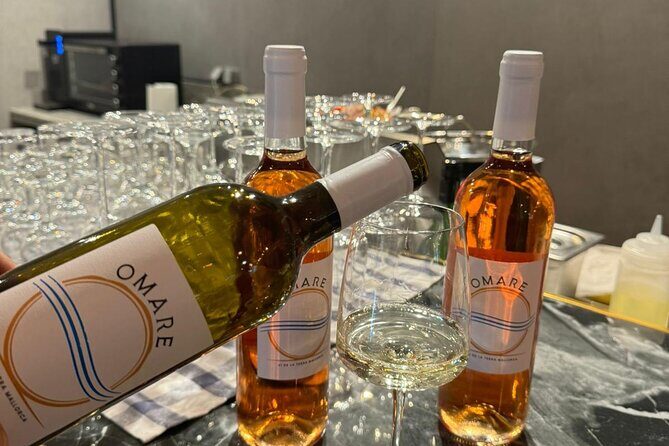
- Open bar with wine plus soft drinks and water makes it more like dinner with instruction.
- Paella is on the menu, often mixed with both meat and fish.
- English instruction is offered, and the host team can include multilingual support (English, German, Dutch).
- Recipes are included, so you’re meant to cook again at home.
Palma’s Cooking Class Setup: Central Location, Small Room Energy
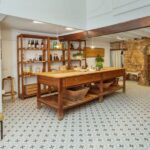
This is the kind of class that works well when you want something culture-heavy but not complicated. It’s centered in Palma, and you’re meeting at Plaça de l’Olivar, 5 (Centre). The venue is a small place called Omare, and it’s described as being opposite the market area—handy because you can orient yourself quickly on foot.
There’s no hotel pickup or drop-off, so you’ll want to plan to get yourself there using public transit or a short walk. The plus is that it keeps the experience flexible: you’re not tied to a bus schedule. Also, since it’s near public transportation, it’s easier to pair with the rest of your day in Palma.
A big part of the appeal is the group size. With a maximum of 12, you’re not lost in a crowd. You’re more likely to get direct guidance, and you can actually follow what’s happening at the station without shouting over everyone’s elbows.
You can also read our reviews of more cooking classes in Mallorca
Price and What $107.41 Buys You in Real Terms
At about $107.41 per person, you’re paying for more than a cooking demo. You’re paying for the class, the ingredients and cooking materials, the recipes, and—this matters—the food and drinks. That “food + open bar” piece is what makes the price feel reasonable for a short, 3-hour experience.
Here’s how I think about the value:
- If you tried to recreate this solo, you’d still pay for ingredients, cookware basics, and time.
- Here, the kitchen is set up for you, and you’re guided through it.
- You also get multiple dishes, not one main event.
The included drinks are water, soft drinks, and wines. Additional beverages aren’t included, so don’t assume mixed drinks or extras are covered. Still, for a night that ends with you full, wine-in-hand, it’s usually the combination that makes the cost feel fair.
One more value lever: timing. You’re in for roughly 3 hours, and often it can stretch a bit depending on how the meal flows and how much everyone participates. Either way, it’s a concentrated evening, not a half-day project.
Where You’ll Meet at Plaça de l’Olivar (and How to Avoid the “Wait… where?” Moment)
You start at Plaça de l’Olivar, 5, Centre, 07002 Palma. The good news: it’s clearly tied to public transit, and the venue is described as small and easy to spot once you’re in the square.
One practical tip: arrive a few minutes early. Even though it’s central, small venues can be easy to miss if you’re ten minutes late and everyone’s already settled. The more social part of this class happens early—welcoming, introductions, and getting assigned to stations or roles.
You’ll also get a mobile ticket, so bring your phone and have it ready at check-in. Confirmation happens at booking time, which helps you avoid last-minute uncertainty.
What Happens in 3 Hours: A Real Sequence, Not Just a Demo
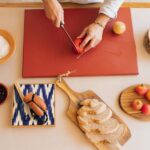
This class is structured around multiple courses, with hands-on participation options. The key concept to know is that you’re not always cooking from start to finish for every dish. Some prep may be handled in advance, and then the group takes turns on different segments. That’s not necessarily bad—it can mean you spend your time learning techniques instead of doing every single step yourself.
Also, pace matters. Plan for a full evening of eating plus instruction. One of the most honest comments from people who enjoyed it: 3 hours of food and wine takes stamina. If you’re used to a light dinner, you might need to slow down early so you can enjoy the later courses too.
Step one: getting comfortable at the station
You’ll start with instruction—how to chop, sauté, and put dishes together. Even if you don’t cook often, the lesson is designed so you can contribute without being thrown into advanced cooking. The experience is offered in English, and the host team is described as friendly and clear.
You can also read our reviews of more tours and experiences in Mallorca




Step two: the course rhythm
The pattern is basically:
1) you learn or prep a component,
2) you watch/rotate as other parts come together,
3) you taste as the meal moves along.
In many sessions, the tortilla and paella are major anchors, with additional tapas or appetizers building the middle. The class ends back at the meeting point.
The Food Lineup: Sobrasada Suquet, Mixed Paella, and Cream Catalan
This is where Mallorca really shows up on your plate.
Starter: local sobrasada suquet (not vegetarian/vegan)
The sample menu includes a starter described as local sobrasada suquet. That’s important: it’s specifically noted as not suitable for vegetarians/vegans. If your diet excludes pork or processed meat, you’ll want to know this upfront before you book.
The practical takeaway: this class is best for people who eat meat and want to learn Spanish flavors that aren’t just “tourist paella.”
Main: mixed paella (meat and fish together)
The main is mixed paella. In this setup, the traditional paella includes both meat and fish. If you love paella, this is the core skill food: how to handle ingredients and build flavor in a pan, not just assemble a meal.
You’ll often see that guests participate in parts of the paella process. Some people expected they’d cook the entire paella alone; the more accurate expectation is that cooking is shared in segments. Still, the value is that you learn the approach and end up eating something genuinely satisfying.
Dessert: cream catalan
To finish, you’ll have cream catalan. It’s a crowd-pleaser and a nice close because it contrasts the savory meal with a creamy, classic dessert feel.
The rest of the 7 dishes
Even though the sample menu lists three items, you’re told it’s 7 dishes / full meals, and course variety is part of the appeal. People describe that some dishes are familiar and some are less well-known. Expect enough different items that you don’t just eat one version of everything.
How Much Cooking You Actually Do (and Who This Works For)
This is the one area where expectations can clash with reality, and it’s worth saying plainly.
On one hand, the class is interactive. People mention that each person gets a chance to prepare components, and instructions are clear. On the other hand, a smaller group can mean more turns, but the overall structure can still include prep done ahead.
So who should book?
- If you want a hands-on class where you chop, sauté, and contribute to the meal: you’ll likely feel happy with it.
- If you want to take full control and cook every step yourself from scratch: you might feel you did less than expected.
The good middle ground is that you come away with a practical sense of how Spanish dishes come together, plus recipes included so you can recreate them later.
Drinks and the Social Side: Open Bar, Big Conversation Energy
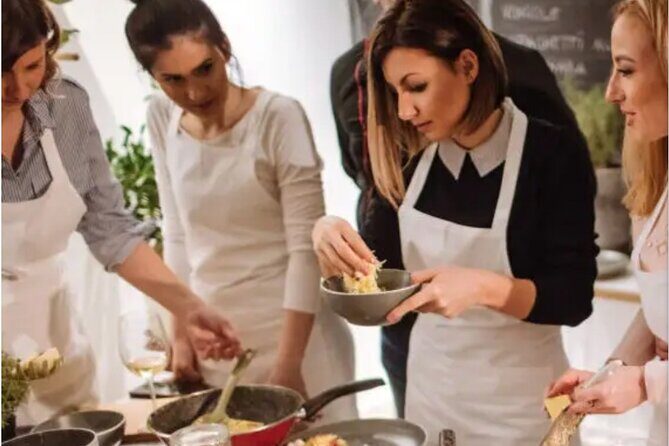
This class includes an open bar with water, soft drinks, and wines. That turns the experience from a strict classroom into something closer to a shared dinner that happens to teach you cooking techniques.
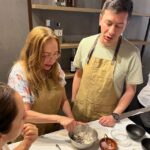
The result is a social atmosphere. People describe meeting new friends from different countries, talking while working, and generally enjoying the group vibe. In a small group setting, conversation doesn’t get drowned out.
One more practical note: because wine is part of the flow, keep your pace steady. You’re eating multiple dishes across the evening, and it’s easy to get carried away at the start. If you want to enjoy every course, slow down slightly early so you’re not too full for the later paella and dessert.
Dietary Reality Check: No Vegan Food, and a Meat-Forward Menu
The rules here are simple: no vegan food is offered. Also, the starter in the sample menu (sobrassada suquet) is not vegetarian/vegan.
If you’re flexible with dairy but not with animal products, you’ll likely still be out of luck. If you eat meat and want to learn real Mallorcan flavors, this is a strong fit.
If you’re vegetarian or vegan, you might find you can’t fully participate in the intended dishes. In that case, you’d be better off looking for a different class format that specifically supports your dietary needs.
Language and Instruction: English-Friendly, Plus Multilingual Support
The experience is offered in English, which is a big deal if you want to learn techniques without translating in your head.
The host and team are also described as multilingual in some sessions, including languages like German and Dutch alongside English. That matters because a mixed group is part of the fun here. You don’t want to be stuck nodding along when you’re trying to understand what pan heat and timing actually mean.
What you get in practice is instruction that feels clear and friendly. People mention the hosts being warm and organized, and that everyone has opportunities to participate.
Modern Kitchen, Real Tasting, and Recipes You Can Use Later
One reason this class earns high marks is that it’s not just “watch the chef.” It’s structured so you can participate, taste, and then leave with information.
You’ll be provided:
- cooking materials and ingredients
- recipes
- food for the full meal experience
So your evening doesn’t end when you wipe your hands. You have something you can use at home to repeat the dishes without guessing.
If you’re the type who buys a cookbook and never cooks from it, this is the better route: you learn while doing, then you get recipes to match what you practiced.
Who Should Book This Spanish Cooking Class in Palma
This class suits a few kinds of travelers really well:
- Couples or small groups who want a fun, shared activity with real eating at the end.
- Food lovers who care about Mallorca-style flavors, not just generic Spanish food.
- Beginners who want real instruction on chopping and sautéing without feeling intimidated.
- Families with teens, since people mention teens also enjoying it.
It’s less ideal if:
- you’re vegan or strict vegetarian (no vegan food, and a meat-forward starter is part of the menu), or
- you want a fully self-directed cooking session where you cook everything end-to-end.
Also, it’s typically booked about 18 days in advance on average, which suggests it’s a popular choice. If your schedule is tight, booking sooner can save headaches.
Should You Book It? My Take Before You Commit
If you want a Spanish cooking class in Palma that feels like a real meal—7 dishes, wine included, and a small group size—this is a strong option. I especially like that the experience combines learning with eating. You’re not stuck with an empty stomach while someone explains cooking theory.
Just go in with the right expectations. Some prep may be done ahead, so you may rotate through tasks rather than cook every step yourself. And if you need vegan food, this one won’t work.
If your priority is hands-on Spanish cooking plus a satisfying dinner in central Palma, then yes—book it. It’s the kind of evening that turns into a “we’re still talking about that paella” memory long after you get home.
FAQ
How long is the Spanish cooking class in Palma?
It runs for about 3 hours (approx.).
How many people are in the class?
The class is capped at a maximum of 12 travelers.
What’s included with the ticket?
You get the cooking class with local cuisine experts, ingredients and cooking materials, recipes, food (meals), and an open bar with water, soft drinks, and wines.
Is hotel pickup included?
No, hotel pickup and drop-off are not included.
Is there vegan food available?
No vegan food is offered.
Where do I meet for the class?
You meet at Plaça de l’Olivar, 5, Centre, 07002 Palma, Illes Balears, Spain. The activity ends back at the meeting point.