REVIEW · MALLORCA
Palma de Mallorca Private Guided Walking Tour
Book on GetYourGuide →Operated by Travmonde OÜ · Bookable on GetYourGuide
Palma’s old streets tell stories fast. This private guided walk strings together Roman, Moorish, and Christian highlights in about 90 minutes, starting at the Ayuntamiento in Plaça de Cort. I especially like how the route makes the big “Talayotic tribe to later rulers” timeline feel practical, not like a lecture.
I also like the way the tour lands on the Banys Àrabs (Arab Baths), one of the few surviving Moorish-era remnants you can still really picture. One consideration: entrance fees aren’t included, so if you want to go inside places like the museum or baths, you’ll want a little cash plan.
In This Review
- Key Things I’d Book This Tour For
- Why Palma’s Historic Walking Tour Works So Well
- Starting at Plaça de Cort: Ayuntamiento and the City’s Front Door
- Santa Eulalia: A Medieval Church Stop with a Patron-Saint Story
- Gothic Convent of San Francisco: Where Architecture Does the Explaining
- Museum Stop: Using Objects to Make the Walking Make Sense
- Banys Àrabs (Arab Baths): Moorish Heritage You Can Still Feel
- La Almudaina and Santa Maria de Palma: Big Views to Tie It Together
- Private Group Value: When $280 Makes Sense
- Guide Quality You Can Trust (Especially If You Like Clear Explanations)
- Practical Tips Before You Go
- Should You Book This Palma Private Historic Walking Tour?
- FAQ
- How long is the Palma de Mallorca private guided walking tour?
- Where is the meeting point?
- Is this tour private?
- What language is the tour guide?
- What is included in the price?
- Are entrance fees included?
- How much does the tour cost?
- Can I customize the tour during the walk?
- Is free cancellation available?
- Can I reserve without paying right away?
Key Things I’d Book This Tour For
- Talayotic, Roman, Moorish, and Christian layers explained in the middle of real streets
- Plaça de Cort and the Ayuntamiento as a strong starting point with an instantly “Palma” feel
- The medieval Church of Santa Eulalia and its martyr-and-patronage story
- The Gothic Convent of San Francisco, tied into Palma’s shifting eras
- A stop at the museum to help the walking make sense
- Banys Àrabs for a tangible Moorish heritage moment
Why Palma’s Historic Walking Tour Works So Well
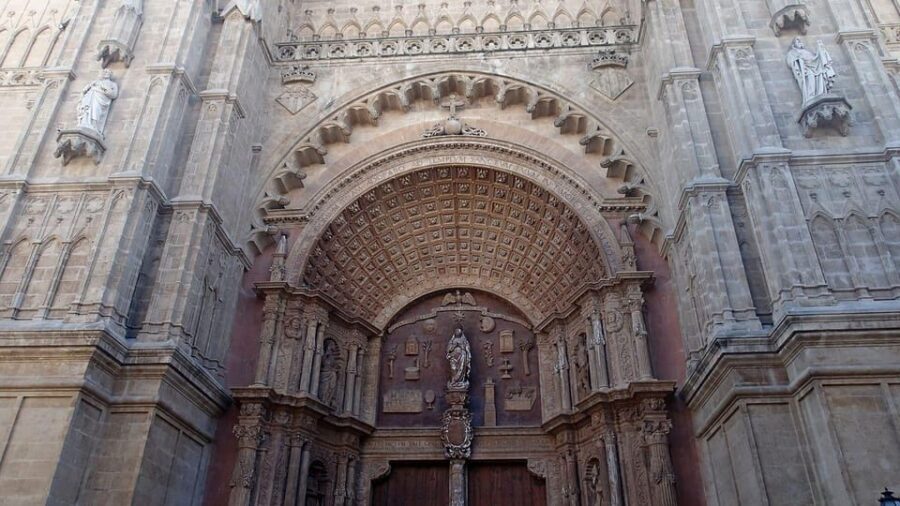
Palma de Mallorca is one of those cities where history isn’t behind velvet ropes far away. It’s mixed into street corners, building facades, and the way neighborhoods change as you walk. This tour is built for that reality: 1.5 hours, a small private group, and stops that hit the main “periods” without dragging you across town.
What I like most is that you don’t just see landmarks. You connect them. The guide frames Palma as a place shaped over and over: first Talayotic people, then Romans, then Moors, and later Christians. Even if you’re not a “history person,” the ordering matters. You start to recognize how power and religion leave physical fingerprints—architecture, street planning, and the kinds of buildings that get built or reused.
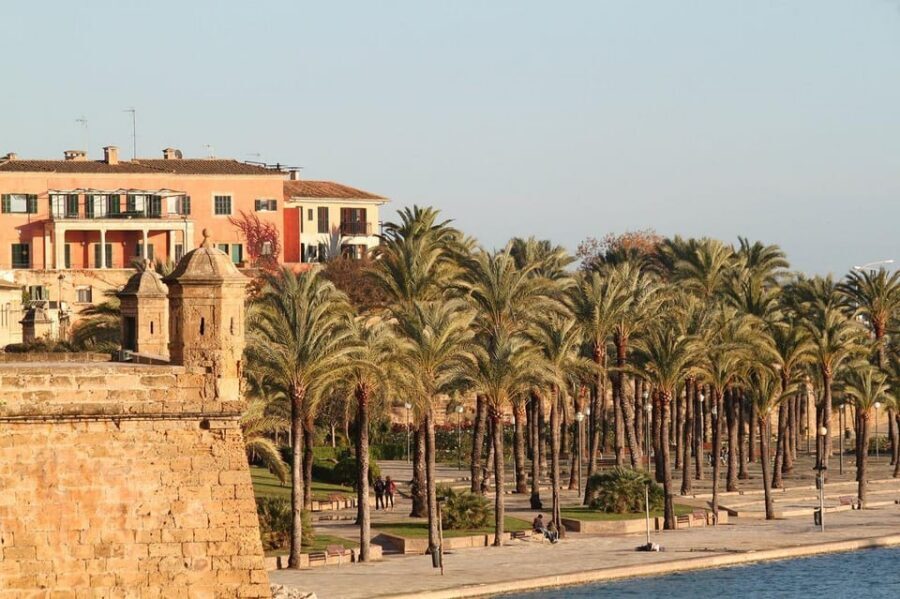
You’ll also get a useful “big picture” sense of where Palma sits. The city rises from Badia de Palma (the bay), so there’s often a natural rhythm between waterfront air and the city’s tighter medieval core. If you’re only in town briefly, this is a fast way to get oriented and understand what you’re looking at afterward.
One more practical win: because it’s private, the guide can adjust your pace and question style on the spot. If you want more time at one stop (or want to skip a museum interior), you can ask.
You can also read our reviews of more walking tours in Mallorca
Starting at Plaça de Cort: Ayuntamiento and the City’s Front Door
Your meeting point is the seating area of the Ayuntamiento (Palma’s town hall), at Plaça de Cort, 1, 07001 Palma. That matters. You’re not wandering blind or trying to find a landmark first. You begin at a place that’s central to how Palma functions today and historically.
The Ayuntamiento stop is also a visual hook. The tour focuses on the town hall’s famous giant wooden roof, which is a standout detail you can spot quickly. It’s the kind of element that makes you slow down without trying. And once you’re looking up, the rest of your walk makes more sense: this is a city where modern identity and older structure sit side by side.
From Plaça de Cort, your guide can shift you from “here’s a building” to “here’s what this building signals.” A town hall is civic power, and in cities like Palma, civic power often overlaps with older layers of rule. So even early on, you’re building the theme of shifting eras: who had authority, what they built, and what survived.
Practical tip: wear shoes you trust. The city center is walkable, but you’ll be on uneven old-stone sidewalks and likely doing a fair amount of stopping and starting.
Santa Eulalia: A Medieval Church Stop with a Patron-Saint Story
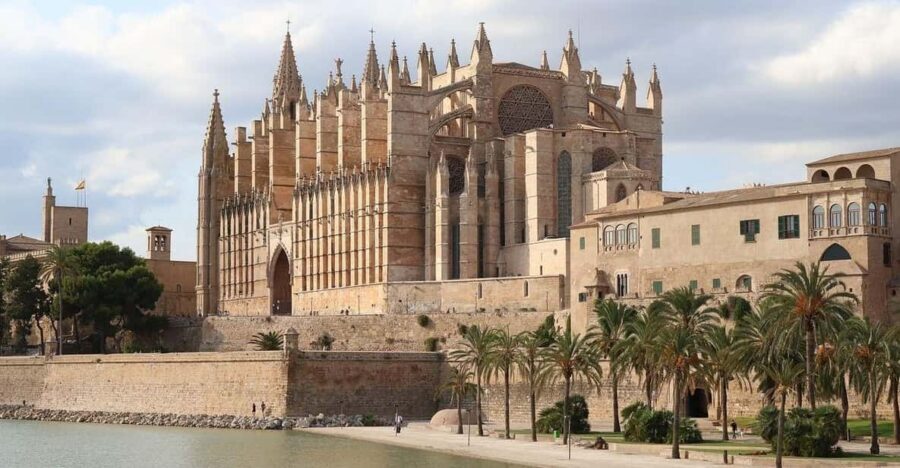
After you get your bearings, the walk moves into medieval territory with the Church of Santa Eulalia. This stop isn’t just about Gothic/medieval atmosphere; it’s about meaning. The church is dedicated to a martyr and patron saint connection that ties into broader Catalonia/Barcelona religious traditions.
That dedication matters because it explains why buildings like this don’t feel random. In older European capitals, sacred buildings often act like cultural anchors. They tell you what communities valued, who they admired, and what kinds of protection they believed mattered.
What you’ll likely notice in a stop like Santa Eulalia is the feeling of time depth. Even when you’re just standing outside or looking at key interior parts (depending on what you choose), you start to see the “hand” of medieval builders: stone forms, proportions, and the way the church holds space in its surroundings.
Possible drawback: the tour is 1.5 hours total. That’s a good sprint, but it means you won’t have unlimited time to go deep into everything. If you love interiors and want longer inside stops, go in knowing you may need to trade-off and prioritize.
Gothic Convent of San Francisco: Where Architecture Does the Explaining
Next comes the Gothic Convent of San Francisco, a key stop because it carries the tour’s timeline into a later medieval style. Gothic architecture is one of the fastest ways to read “period change” on foot. You don’t need technical knowledge to sense it—shapes, vertical lines, and the overall geometry of the space help you feel the era even before the guide finishes the story.
A convent is also a different kind of site than a town hall or church. It’s tied to daily discipline, learning, and community life in an era when religious orders played major roles in education and social structure. So, this stop supports the tour theme of Palma being reshaped by changing beliefs and institutions.
If you’re the type who enjoys “why this building exists,” the guide’s job becomes easier here. You can see how a civic center gives way to sacred space, then to a different kind of sacred institution. The walking rhythm turns into a timeline.
How to get more out of this stop: ask the guide to connect the Gothic look to what life likely felt like when the convent was active. You’ll hear a clearer explanation of why these places were built the way they were, rather than just what style they belong to.
Museum Stop: Using Objects to Make the Walking Make Sense
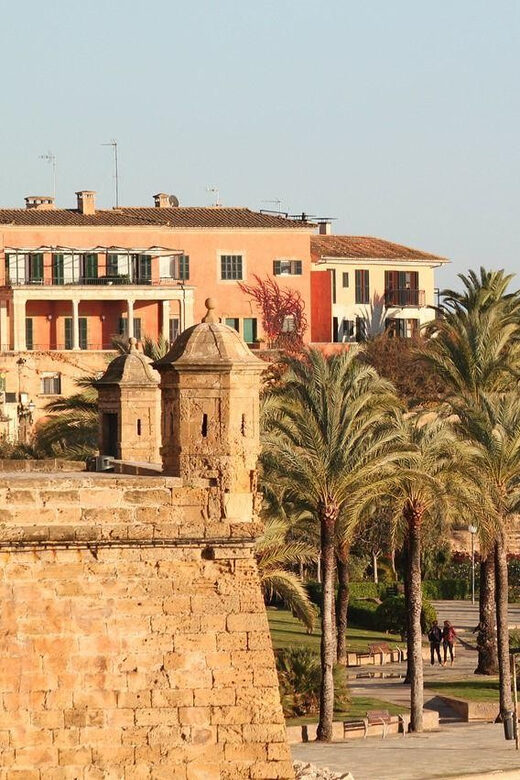
The tour includes a stop at a Museum to help you understand Mallorca’s treasures beyond facades and street views. Since entrance fees aren’t included, you’ll want to confirm on the day how the museum portion is handled—whether your guide plans a quick exterior-or-threshold orientation or time to enter based on your interests and what you’re willing to pay.
Even a short museum encounter can pay off. Walking through medieval streets can feel like a string of cool sights. But objects and small explanations are what turn those sights into context: what life looked like, what people valued, and what changed when Palma moved through different rulers.
This is where you can get your biggest “aha” moment, especially if you’re curious about the Talayotic-to-Roman and Moorish-to-Christian story. A good museum stop gives the guide something to anchor to, and it gives you a mental checklist of what you just learned while walking.
If you’re traveling with kids or someone who gets impatient with too much standing, the museum stop can also be a natural break. It shifts the experience from “look and listen” to “look and interpret.”
You can also read our reviews of more guided tours in Mallorca

Banys Àrabs (Arab Baths): Moorish Heritage You Can Still Feel
The tour ends up at the Banys Àrabs, the Arab Baths, and this is one of the most important parts of the route for anyone who wants Palma’s Moorish heritage in a form that feels real.
The reason this stop hits is simple: it’s one of the few remnants of surviving Moorish heritage in the city. A lot of what people think of as Moorish influence can be hard to pinpoint unless you already know what to look for. With a surviving bath complex, you can connect daily life to history.
Arab baths also help you understand culture in a way that’s different from cathedrals and convents. Bathing spaces are social and practical. They reflect technology, routine, and ideas about cleanliness and comfort. That makes the Moorish chapter feel less like a name in a timeline and more like a lived daily rhythm.
Practical consideration: entrance fees are not included, so if you want full access and time inside, budget accordingly. Also, because you’re only on the schedule for 1.5 hours, the guide may keep the pace brisk. That’s good for seeing a lot, but give yourself permission to skim if you feel time pressure.
La Almudaina and Santa Maria de Palma: Big Views to Tie It Together
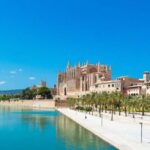
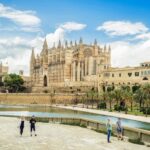
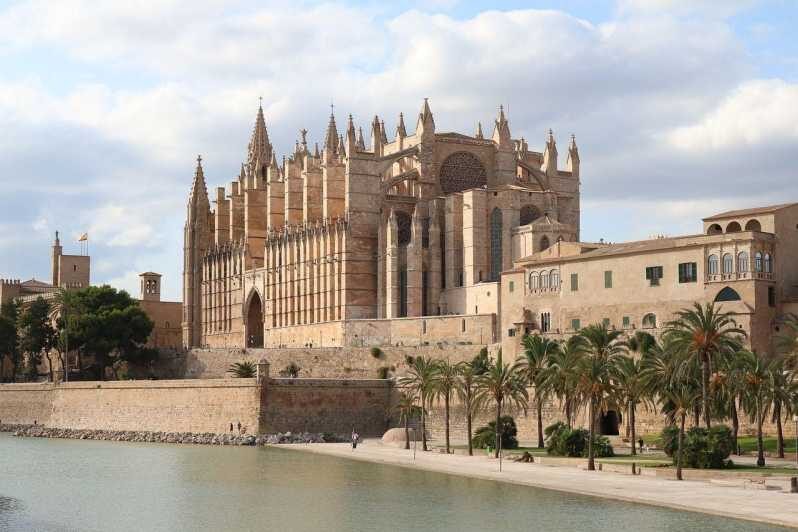
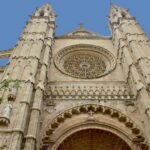
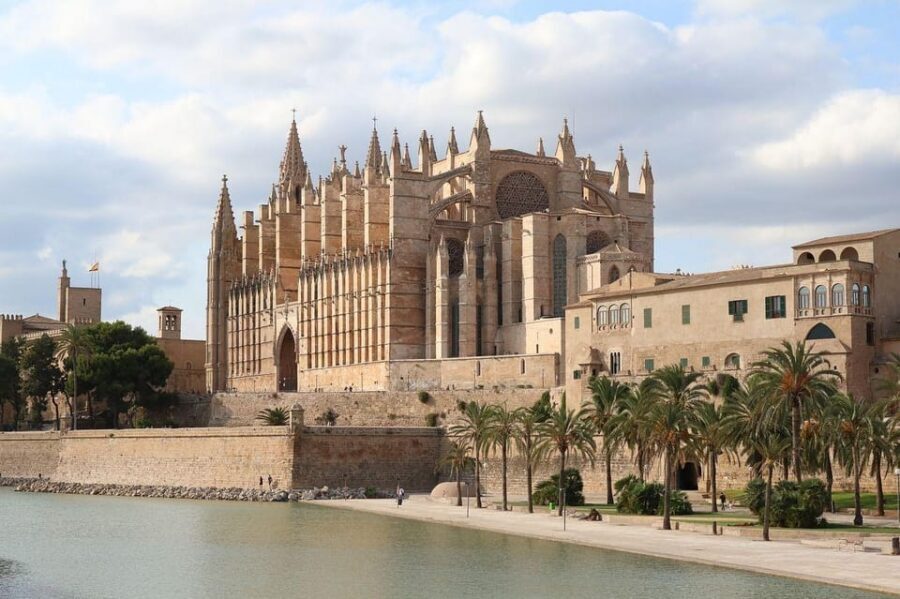
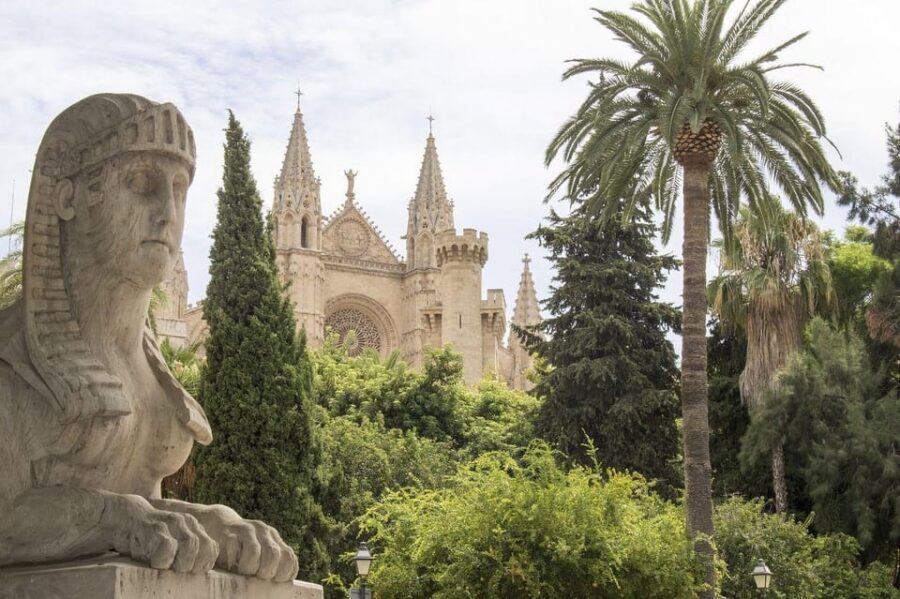
While you’re walking, the tour style helps you notice Palma’s famous pair of landmarks: the 13th-century Catalan Gothic Cathedral of Santa Maria of Palma and the Royal Palace of La Almudaina.
These are the kind of sights that can look dramatic in photos, but on foot they do something different: they give you orientation. They help you understand where the former citadel sits, and how royal and religious power coexisted in the same overall area.
La Almudaina also carries a “palimpsest” story: it began as a former Arabian fortress, then was claimed later as an official royal residence. And the fact that Spain’s Royal family still spends summers there ties Palma’s medieval layer to today’s reality. It’s not just “old stuff.” The architecture still functions as part of modern national life.
If you’re a visual learner, these views may become your internal map. After you’ve seen them once with context from your guide, you’ll be able to spot them again later on your own and connect dots without needing the tour.
Private Group Value: When $280 Makes Sense
The tour price is $280 per group up to 15, lasting 1.5 hours. That pricing structure can be excellent value if you’re traveling with a few people and want control of the pace.
Here’s the key math idea: the cost doesn’t really change based on age or interest; it changes based on how many bodies are in your group. If you fill most of the 15-person cap, the cost per person becomes relatively low for a private local guide. If you’re only two or three people, it’s pricier, but you’re paying for flexibility and time efficiency in the historic center.
I’d treat this as a “time-saver” purchase. Palma’s core can be fun to wander without help, but it’s also easy to miss what matters: which building belongs to which era, what survived from Moorish Palma, and why the church-and-convent sequence tells a stronger story than random stops.
Also, customization is possible on the spot. If you have a specific interest—like Moorish remnants, Gothic architecture, or religious history—tell the guide early, and you can often adjust how long you linger.
Guide Quality You Can Trust (Especially If You Like Clear Explanations)
The tour includes a local professional guide who stays with your group only. The guide listed in customer feedback includes Cristina, who was praised for doing an excellent job and for recommending and even reserving a good restaurant after the tour. That kind of add-on matters more than it sounds: after 90 minutes of walking, a solid meal recommendation helps you keep your day smooth instead of guessing.
Because this is English-language, it’s also a good choice for visitors who want history explained without trying to decode everything by themselves. And with a private group, you can ask follow-ups in real time, rather than being stuck in a “everyone gets the same answer” format.
Provider name you may see: Travmonde OÜ.
Practical Tips Before You Go
A few things will make your 90 minutes feel effortless:
- Arrive a few minutes early at Plaça de Cort, so you’re not racing across the square.
- Bring comfortable shoes. Palma’s old streets look charming, but they’re still streets.
- If you care about interiors, plan for entrance fees not included. Decide in advance what’s worth paying for to avoid last-minute stress.
- If you want a restaurant on the same day, ask your guide. Getting a good pick right after your tour can save time and improve the whole trip flow.
Should You Book This Palma Private Historic Walking Tour?
Yes, if you want a fast, well-structured introduction to Palma’s layered identity—Talayotic and Roman roots, Moorish heritage, and medieval Christian landmarks—without spending half a day bouncing between distant sites. This is also a strong pick if you like asking questions and tailoring your pace, since the group is private and the guide is with you the whole time.
I’d hesitate only if you’re the type who wants a long, slow museum visit at every stop, or if you already know exactly what you want to see and you’re comfortable building the storyline yourself. For most people, though, this tour is a good “first Palma day” plan: you leave with names, context, and a sense of where the city’s major monuments sit in the big picture.
FAQ
How long is the Palma de Mallorca private guided walking tour?
The duration is 1.5 hours.
Where is the meeting point?
You meet on the seating area of the Ayuntamiento city hall at Plaça de Cort, 1, 07001 Palma, Balearic Islands, Spain.
Is this tour private?
Yes. It’s listed as a private group.
What language is the tour guide?
The live tour guide is English.
What is included in the price?
A local professional guide who will be with your group only is included. The guide may also allow possible customization on the spot.
Are entrance fees included?
No. Entrance fees are not included.
How much does the tour cost?
The price is $280 per group up to 15.
Can I customize the tour during the walk?
Yes. There is possible customization on the spot with your local guide.
Is free cancellation available?
Yes. You can cancel up to 24 hours in advance for a full refund.
Can I reserve without paying right away?
Yes. There is a reserve now & pay later option.