REVIEW · MALLORCA
Palma de Mallorca: Guided Tour of the Old Town
Book on GetYourGuide →Operated by Elysee Tours UG (Haftungsbeschränkt) · Bookable on GetYourGuide
Palma’s old town packs a lot in. In just two hours, you get a focused walk past key sights like La Seu and La Lonja, plus the quieter courtyard side of Palma that’s easy to miss on your own. I like how the route connects big names, trade power, and everyday streets into one story, and I love that the guide brings the city to life with local-style explanations (often led by guides such as Maja, Maya, or Yvonne).
One consideration: it’s a walking tour and not ideal if you use a wheelchair, and entrances aren’t included—so plan for time and extra costs if you want to go inside buildings.
In This Review
- Key Things That Make This Tour Worth Your Time
- Palma Old Town on Foot: Why This Walk Feels Like More Than Sightseeing
- Meeting Point, Walking Comfort, and What to Plan for
- La Seu Cathedral and the Builders Who Shaped Its Look
- La Lonja, Consolat de Mar, and Palma’s Trade Power
- Almudaina Palace, BORN, Plaça Cort, and the Squares That Structure the City
- Patios, Courtyards, and the Modernisme Details You’ll Actually Notice
- Es Baluard Museum Views and the “Cultural Center” Feeling of the Walk
- Jewish Quarter, Episcopal Palace, and the City Wall: Layers You Can Feel
- How the Guide Changes the Whole Experience
- Value Check: How $46 for 2 Hours Adds Up
- Who This Tour Suits (and Who Should Think Twice)
- Should You Book This Palma Old Town Guided Tour?
- FAQ
- How long is the Palma old town guided tour?
- What language is the guide speaking?
- Is the entrance fee to sights included?
- Where does the tour start and where do you get dropped off?
- Is it suitable for wheelchair users?
- What should I bring, and can I bring luggage?
Key Things That Make This Tour Worth Your Time
- German-speaking guide with an easy, story-first approach that keeps the walk moving
- La Seu and Guillem Sagrera context, so the cathedral is more than a photo stop
- La Lonja and Consolat de Mar in one sweep, tying architecture to Mediterranean trade power
- Patios (ornate courtyards) as a theme, so you start noticing details you’d otherwise overlook
- Jewish quarter, episcopal palace, and city wall for layers beyond the main monuments
- Modernisme buildings mixed into the old-town walk, including the more surprising architectural contrasts
Palma Old Town on Foot: Why This Walk Feels Like More Than Sightseeing
Palma’s old town isn’t just a collection of landmarks. It’s a compact map of the city’s power, wealth, faith, and daily life—especially when the Mediterranean made cities like this matter.
What works so well here is the connection. You’ll move from grand architecture (like La Seu) to trade buildings (La Lonja and related sites) and then down to the human scale: squares, streets, and courtyards. You’ll start noticing how Palma’s architecture keeps telling the same story, just in different languages of stone, brick, and design.
I also like the emphasis on the “in-between” places. A tour that stops only at monuments leaves you with pretty pictures but no sense of how the city is actually put together. This one aims for both—major sights plus the smaller details that make Palma feel like Palma.
You can also read our reviews of more guided tours in Mallorca

Meeting Point, Walking Comfort, and What to Plan for
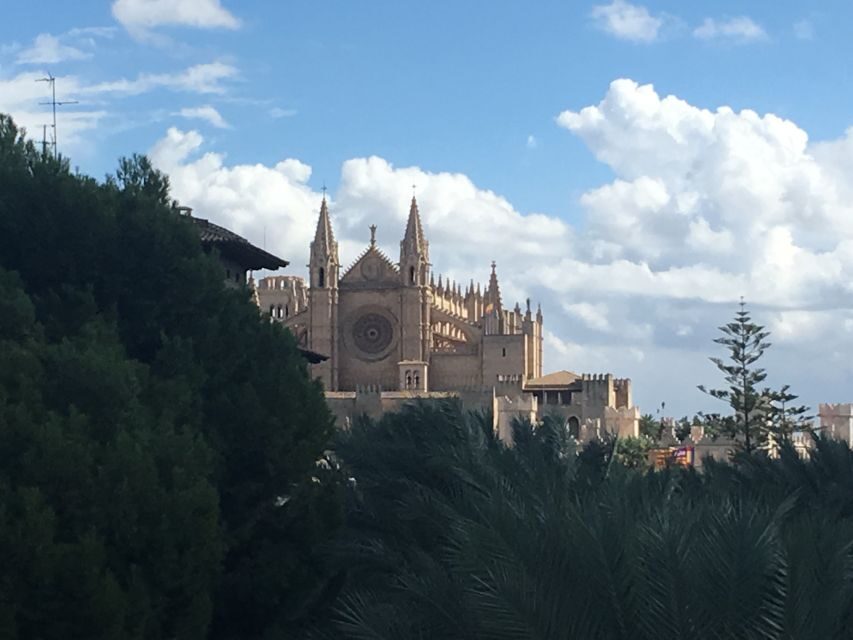
The tour runs about 105 minutes to 2 hours, so you’ll want comfortable shoes more than anything else. Palma’s old streets can be uneven, and this is the kind of itinerary where you don’t want to be thinking about your feet every five minutes.
You also should know two practical rules. First, entrance fees aren’t included, so you may only see some buildings from the outside unless the tour includes viewing stops without paying. Second, it’s not suited for wheelchair users, and it also says no luggage or large bags—so travel light.
If you’re trying to fit Palma into a day that already includes beaches or the port area, this is a good time block. Two hours is long enough to feel like you learned something, but short enough to still keep your afternoon flexible.
La Seu Cathedral and the Builders Who Shaped Its Look
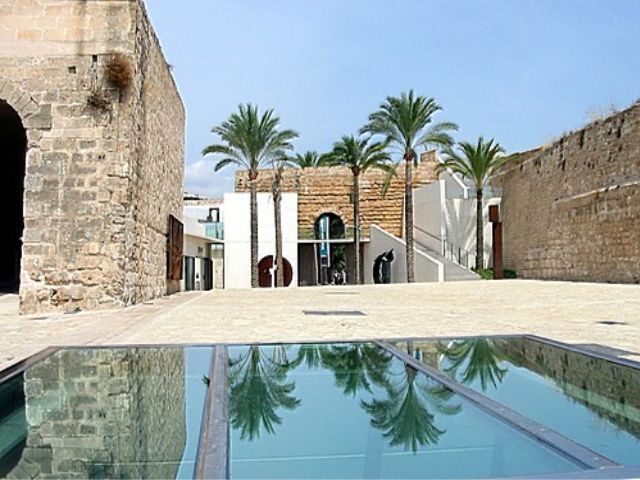
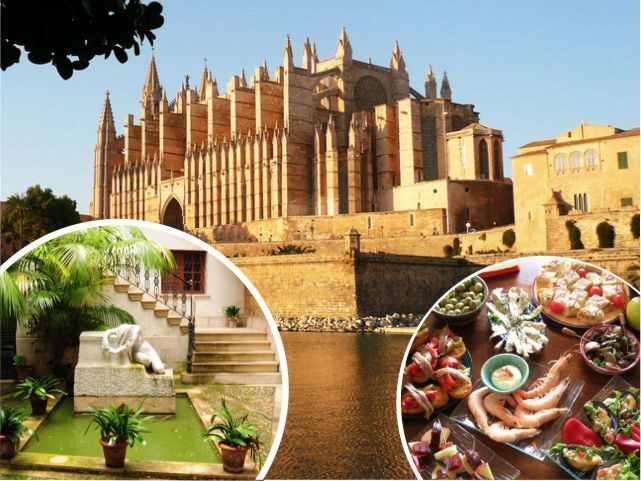
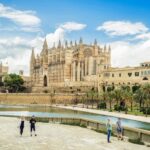
La Seu is the headline, and it earns it. This is one of Palma’s most important landmarks, and the guide’s job is to help you read it—so you understand why it looks the way it does.
One detail that matters is the mention of Guillem Sagrera as a key figure tied to the cathedral. When you know a name like that, you start looking for the style signals the builders left behind, instead of treating the building like one big, beautiful blob.
You’ll also get context that ties the cathedral to Palma’s status as a major Mediterranean hub. That changes your perspective fast. A church becomes not just a religious site, but also part of a city showing off its reach and importance.
La Lonja, Consolat de Mar, and Palma’s Trade Power
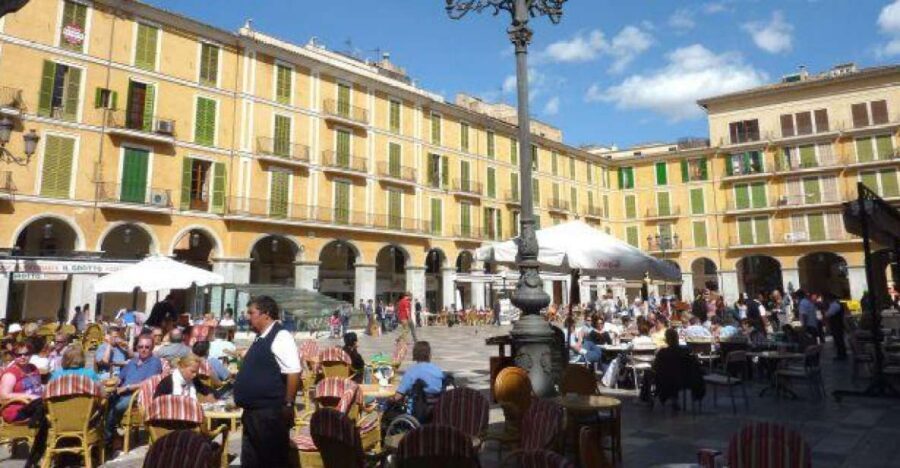
If La Seu represents spiritual authority and civic pride, then La Lonja and the nearby trade sites represent the money engine that made everything possible. This tour leans into that logic—Palma didn’t become important by luck.
You’ll see La Lonja, and the tour also includes Consolat de Mar. Even if you’re not a history nerd, this pairing helps you understand what you’re walking through. These aren’t random old buildings; they’re linked to the institutions that ran commerce across the sea.
This is where the Mediterranean theme really pays off. The guide talks about Palma when it was the economic center of the wider Mediterranean world, and it makes the stone feel purposeful. You start to connect patterns: who built what, where decisions were made, and why certain areas became the focal points.
Almudaina Palace, BORN, Plaça Cort, and the Squares That Structure the City
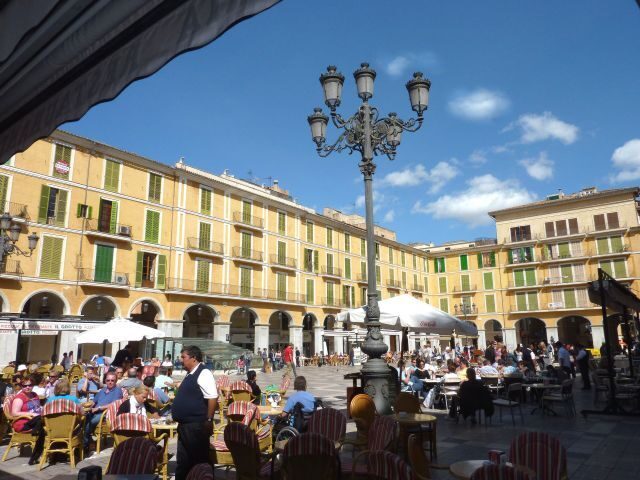
After the big monuments and trade buildings, Palma becomes more human—more street-level, more about movement and meeting points.
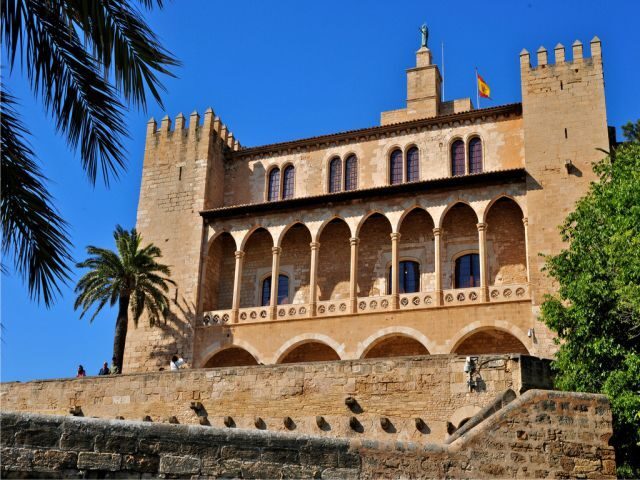
You’ll visit Almudaina palace, which helps anchor the tour in the royal and administrative side of the city. Then you’ll move through areas like BORN and Plaça Cort, which are more about urban rhythm than single wow-factor structures.
Why do squares matter on a tour like this? Because they’re where architecture reveals its real-life job. Facades, sight lines, and street layouts all funnel people toward these open areas. When you understand the function of a square, it’s easier to remember what you saw and why it was placed there.
And even with a quick two-hour format, the guide’s stories make the stops feel connected instead of chopped into separate photo ops.

Patios, Courtyards, and the Modernisme Details You’ll Actually Notice
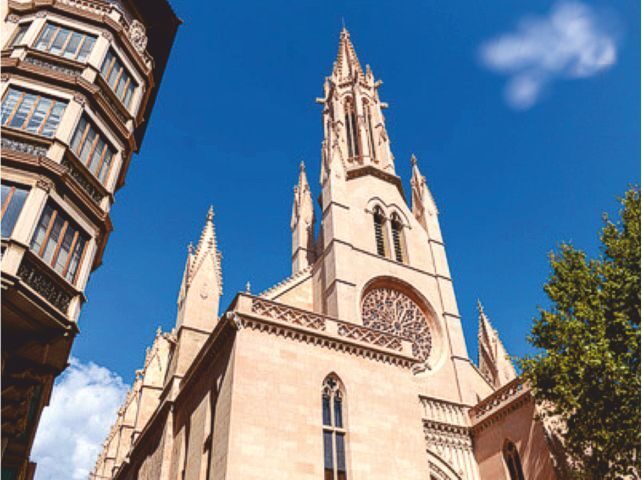
One of my favorite themes in Palma is the idea of patios—ornate courtyards that offer a private, quiet counterpoint to the street noise. This tour specifically highlights patios as hidden treasures, and once someone points them out, you start spotting clues everywhere.
You’ll also get attention on modernisme buildings—a reminder that Palma’s story doesn’t stop at medieval walls and Gothic spires. You’ll see the architectural contrasts that make the city more interesting than a single-era postcard.
This is also where a strong guide earns their pay. Instead of just pointing and naming, a good guide trains your eyes. They’ll help you see details in doorways, arches, and façades, the kind of features you might walk past a hundred times without realizing you were supposed to look there.
Es Baluard Museum Views and the “Cultural Center” Feeling of the Walk
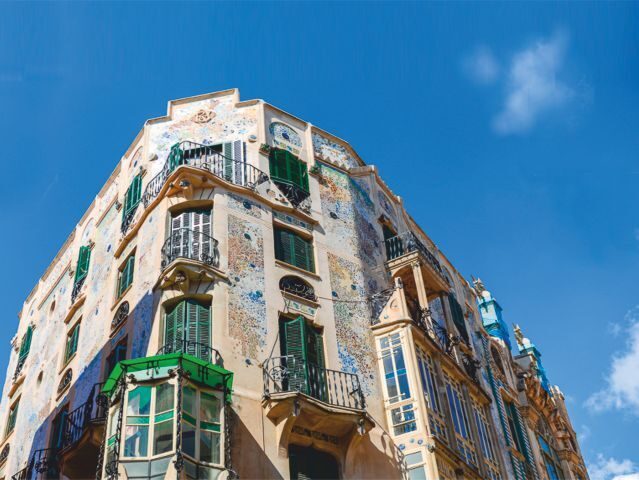
You’ll also pass by Es Baluard museum. The tour includes it as part of the overall city flow, so you’re not just marching from one monument to another.
What’s useful here is how it broadens the feel of the old town. Even if you don’t go inside, you get the sense that this part of Palma isn’t only about old stone. It’s a cultural center where art, architecture, and civic identity overlap.
This stop helps keep the walk from becoming too narrow. You’re not stuck in one mindset; you’re seeing Palma as a living city with history and modern layers.
Jewish Quarter, Episcopal Palace, and the City Wall: Layers You Can Feel
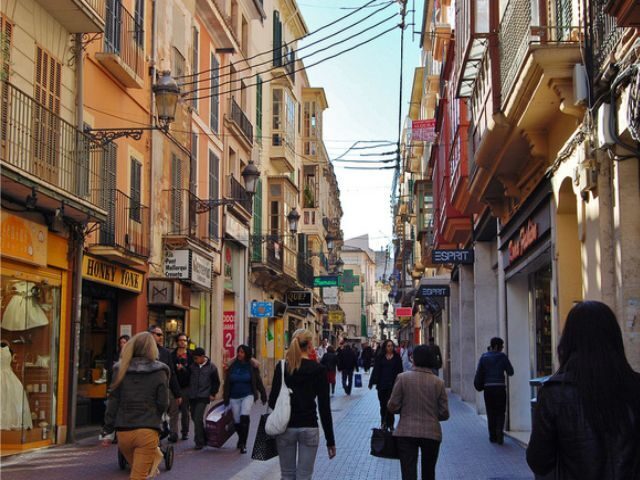
Palma’s history has multiple threads, and this tour makes an effort to show that complexity without turning it into a lecture.
You’ll visit the Jewish quarter, plus significant religious and government-adjacent sites like the episcopal palace and the city wall. That combination is powerful because it gives you a sense of boundaries—social boundaries, power boundaries, and physical boundaries.
When you walk near walls and institutional buildings, you understand why certain areas mattered. Walls were more than defense; they shaped the city’s identity and how people moved through space.
And when the guide connects these stops to broader stories—builders, architects, and Palma’s rise as a major Mediterranean player—you end up with a mental map that sticks.
How the Guide Changes the Whole Experience
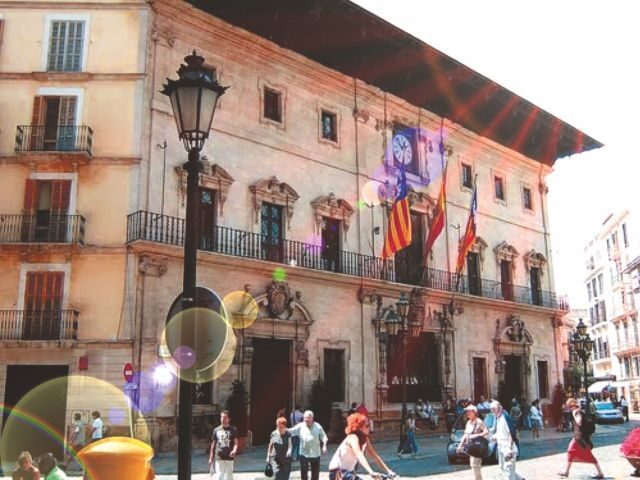
The biggest reason this tour rate is so high is simple: the guide makes the walk fun and clear, not dry.
In past experiences on this route, German-speaking guides such as Maja, Maya, and Yvonne have been praised for sharing lots of detail and answering questions in a way that feels local. That matters because Palma can look complicated from the outside. You’ll want someone to help you make sense of what you’re seeing while you’re still walking.
This tour also leans into the role of major creators and ideas. You’ll hear about Pere Morey, Guillem Sagrera, and even references to the disciples of Antoni Gaudí, tied to palaces and manors. Even if you don’t know those names yet, hearing them in context teaches you what to look for next time you’re in another city with similar architecture.
Value Check: How $46 for 2 Hours Adds Up
At $46 per person for about 105 minutes to 2 hours, you’re paying for a guided interpretation of Palma’s old town. That price isn’t only about standing in front of you while you look at buildings—it’s about saving you from the usual problem: walking around alone with no idea what matters.
Because entrance fees aren’t included, the value equation depends on your style. If you like learning outside the gates and saving ticket money for later, this works well. If you want to go inside major sites during the tour itself, you’ll likely need to budget extra.
Where the tour feels like good value is in its structure. You get major landmarks, trade buildings, courtyard culture, and architectural contrast without spending half a day traveling between sites. For a short stay, that efficiency is real value.
Who This Tour Suits (and Who Should Think Twice)
This is a strong fit if you want:
- a high-signal overview of Palma’s old town in a couple of hours
- an architecture- and history-aware guide who keeps the story moving
- help noticing details like patios and modernisme elements you might miss alone
- a German-language experience led by a live guide (with private options in multiple languages)
Think twice if:
- you want a lot of time for indoor visits at every stop (entrances are not included)
- you need wheelchair access, since it’s stated as not suitable for wheelchair users
- you prefer slow, wander-by-wander exploring with long breaks
Should You Book This Palma Old Town Guided Tour?
Yes, if you’re in Palma for a short window and you want your time to mean something. Booking this 2-hour guided walk is a smart move because it gives you a framework: trade power at La Lonja, civic pride at La Seu, layered neighborhoods, and the courtyard culture of patios.
I’d skip it only if your trip style is totally independent and you already have a detailed self-guided plan plus the patience to research on the fly. Otherwise, the guided interpretation is the difference between seeing old buildings and understanding how Palma became Palma.
FAQ
How long is the Palma old town guided tour?
The tour lasts about 105 minutes to 2 hours.
What language is the guide speaking?
The live tour guide is German. Private tours are available in English, French, and German.
Is the entrance fee to sights included?
No. Entrance fees are not included.
Where does the tour start and where do you get dropped off?
The meeting point and drop-off locations are listed at Av. d’Antoni Maura, 22 (with the exact option depending on what you book). The meeting point may vary.
Is it suitable for wheelchair users?
No, it is not suitable for wheelchair users.
What should I bring, and can I bring luggage?
Wear comfortable shoes. Luggage or large bags are not allowed.