REVIEW · MALLORCA
Palma de Mallorca Must-See Attractions Walking Tour With A Guide
Book on Viator →Operated by Guydeez · Bookable on Viator
Palma makes sense on foot. This 2-hour guided route strings together major Old Town landmarks with thoughtful context, and I like that the guide asks questions and tweaks the pace for your group.
A second big plus for me is the mix of sights: you get the Baños Árabes and other standout architecture, then a break for Mallorcan sweets at Ca’n Joan de s’Aigo. One thing to consider: it’s mainly a city sights walk, so monument entry and inside visits are not the core of the experience.
The guide names people bring up most often are Romina, Christina, and Mimi, and the common thread is how friendly and upbeat they are while keeping things practical. You’ll move at a steady rhythm with short stops, which is great for orientation, but not ideal if you want long time inside churches or museums.
In This Review
- Key highlights for an Old Town overview that moves
- Where the walk starts: orientation at Passeig des Born
- Practical tip
- Carrer de Sant Agustí and Placa de Cort: fast history you can feel
- What I like about these two stops
- Santa Clara Convent and Monestir de Santa Clara: calm places in the middle of town
- A consideration
- Baños Árabes: 10th-century Moorish architecture you can spot on a walk
- Why this matters for value
- La Lonja area and La Bodeguita del Medio: architecture with a named author
- Photo and street-value tip
- Plaça de Santa Eulàlia and Reial Covent de Sant Francesc: Gothic scale in two stops
- If Gothic churches are your thing
- Ca’n Joan de s’Aigo: the pastry pause that makes the whole walk feel human
- Practical consideration
- Playa de Cala Mayor and Parc de la Mar: city sightseeing with sea air
- Why I think this is smart value
- Palau de l’Almudaina and finishing at Plaça de la Seu
- A small but useful mindset
- Price and value: what $37.71 gets you (and what it doesn’t)
- Who should book this walking tour
- Should you book this Palma walking tour?
- FAQ
- How long is the Palma de Mallorca must-see attractions walking tour?
- What does the tour cost?
- Is this tour private or small group?
- What languages are the guides available in?
- Are monument and museum entry tickets included?
- Is food and drink included?
- Where do we meet and where does the tour end?
- Can I cancel for a full refund?
Key highlights for an Old Town overview that moves
- Personalized pacing: the guide checks what you care about and adjusts as you go
- Arab Baths at walking speed: Moorish details you can actually spot without ticket hassle
- Gothic landmarks in the right order: Santa Eulàlia and Sant Francesc make sense as a group
- A real local break: Ca’n Joan de s’Aigo is the pastry-and-coffee moment built into the day
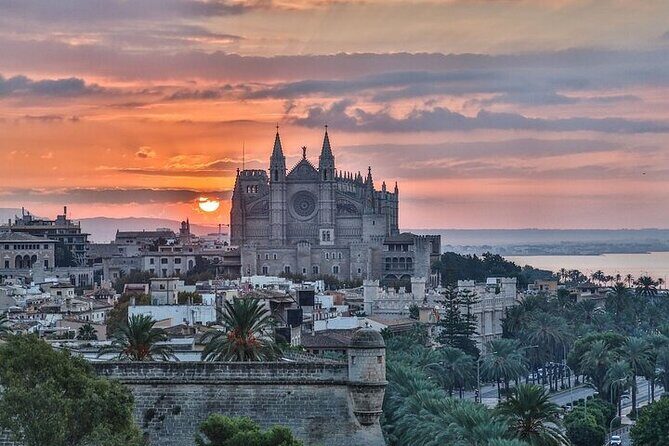
- Sea air included: you reach Parc de la Mar and end near the main square by the Cathedral
- Private or small-group options: only your group participates, in English plus other languages
Where the walk starts: orientation at Passeig des Born
The tour begins at Passeig des Born, 4, in central Palma, which is an easy spot to find and convenient if you’re using public transport. From the start, the goal is clear: you should leave with a better sense of where everything is in the Old Town grid, and how the city’s religious and royal power shows up in the streets.
Right away you’re on narrow lanes and cobblestones—real Palma street texture, not a sanitized highlight loop. Expect the guide to set the tone fast: what you’re going to see, why it matters, and what details to watch for. If you’re the type who likes to know what you’re looking at as you look at it, this format works well.
You can also read our reviews of more walking tours in Mallorca
Practical tip
Wear shoes you trust on uneven stone. This is a short tour by minutes, but there’s enough moving between stops that your feet will notice.
Carrer de Sant Agustí and Placa de Cort: fast history you can feel
The first stop is Carrer de Sant Agustí, 7, where you’ll get that immediate Old Town contrast: tight streets, older façades, and a sense that Palma grew in layers. The guide’s job here is to help you read the buildings like clues instead of just background.
Then you head to Placa de Cort, often the kind of square where you could wander aimlessly—unless someone hands you a few specifics. Here, one detail is the iconic olive tree, tied to peace and tradition in Mallorcan culture. It’s the sort of small landmark that makes photos better, but the real win is how it anchors the square’s identity.
What I like about these two stops
They’re short, but they do the work of getting your bearings. You start understanding which streets lead where, and the square’s symbolism gives you a reason to pause instead of just pass through.
Santa Clara Convent and Monestir de Santa Clara: calm places in the middle of town
Two stops focus on Santa Clara, and together they show how the city’s religious life shaped everyday Palma. The first visit centers on the convent’s atmosphere and historical role, giving you context for why this location still feels set apart from the bustle of nearby streets.
Later, the route returns to the Santa Clara theme with Monestir de Santa Clara a peu, with attention on the daily life of the nuns and the traditions that continue today. Even if you mainly observe from outside, the guide’s explanation changes how you experience the space. You stop treating it like a backdrop and start noticing how quiet rules and routine can shape a neighborhood.
You can also read our reviews of more guided tours in Mallorca

A consideration
Because it’s described as a city tour rather than a tour inside monuments, don’t expect a long interior visit at every sacred stop. If you want deep time inside chapels, plan on adding separate visits with tickets later.
Baños Árabes: 10th-century Moorish architecture you can spot on a walk
Banys Árabes (Arab Baths) is one of the best reasons to book this kind of short guided loop. The guide frames it as a hidden-in-plain-sight stop: Moorish influence on Mallorca’s architecture that dates back to the 10th century.
Even when you’re only spending a short amount of time here, you can still understand the structure’s logic—how bath spaces, water, and craftsmanship reflect a different cultural layer than the later Gothic and royal monuments around it. It’s the kind of stop that rewards listening.
Why this matters for value
Many tours in Palma race from one famous façade to the next. This one slows down just enough to show you a different chapter of the island’s story.
La Lonja area and La Bodeguita del Medio: architecture with a named author
From the Arab Baths, the walk continues toward the La Lonja area and specifically La Bodeguita del Medio de La Lonja. This is where a good guide earns their fee: you don’t just see a building, you learn to recognize the design idea.
The standout detail here is the architect name: the building is linked to Guillem Sagrera. Knowing the name doesn’t magically turn it into a museum, but it does change your attention. You start looking at proportions and features with a clearer lens.
Photo and street-value tip
If you like architecture, slow down for a minute even at the street level. You’ll often spot details the first look misses—especially when the guide points out what to scan for.
Plaça de Santa Eulàlia and Reial Covent de Sant Francesc: Gothic scale in two stops
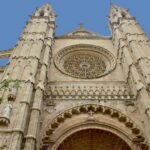
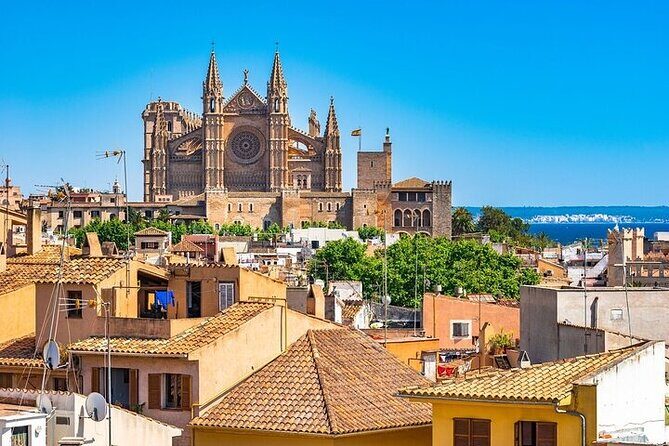
Two major Gothic stops anchor the middle of the walk: Santa Eulàlia and the Reial Covent de Sant Francesc (the Basilica de Sant Francesc area).
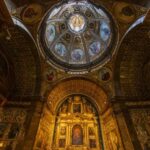
At Plaça de Santa Eulàlia, the guide focuses on the church dedicated to Palma’s patron saint, including the Gothic façade. You’ll get guidance on what to look for on the front and what the interior holds, but remember the tour’s style: it’s centered on the city sights walk, not a guaranteed time inside every monument.
Next comes Reial Covent de Sant Francesc, presented as a masterpiece of Gothic architecture with long-standing religious significance. This stop is all about scale and story—how the building’s presence in the city signals devotion and power across centuries. Even from outside, the Gothic forms can feel dramatic when you know what part of the design you’re looking at.
If Gothic churches are your thing
This is a strong pairing. The route sets you up to compare the vibe of two different religious landmarks instead of treating them as separate checkboxes.
Ca’n Joan de s’Aigo: the pastry pause that makes the whole walk feel human
The tour includes a stop at Ca’n Joan de s’Aigo, and it’s exactly the kind of break that turns a checklist walk into a day you’ll remember. The focus is on traditional Mallorcan sweets and pastries—something people seem to appreciate because it’s local, low-pressure, and easy to enjoy without planning your own detour.
A couple reviews mention a coffee and pastry stop, which matches the spirit of this portion: you get a taste of daily life in Palma, not just monuments.
Practical consideration
Food and drinks are not listed as included in the tour package. That means you control what you order, and you’re not paying for something you don’t want. It also keeps the tour flexible if you prefer tea, water, or a lighter bite.
Playa de Cala Mayor and Parc de la Mar: city sightseeing with sea air

Not all Palma tours include the coast in a tight time window, but this one does. You’ll reach Playa de Cala Mayor, then later Parc de la Mar, which helps the tour end on a calmer note.
At Playa de Cala Mayor, you get a simple but effective break: warm sea breeze, golden sand, and open views toward the Mediterranean. Even if you only walk a short stretch, it helps reset your eyes after centuries-old stone and heavy architecture.
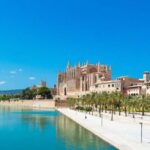
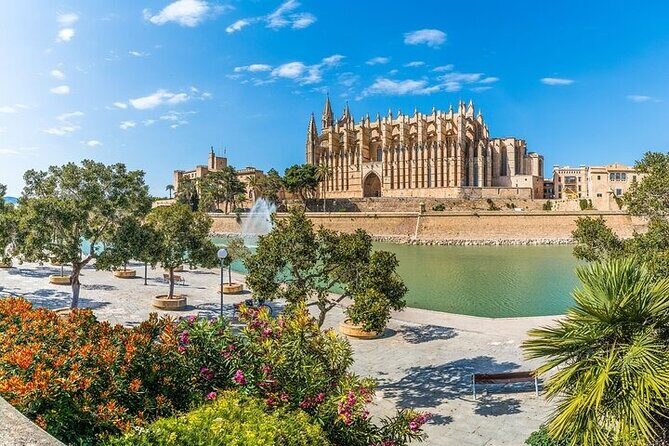
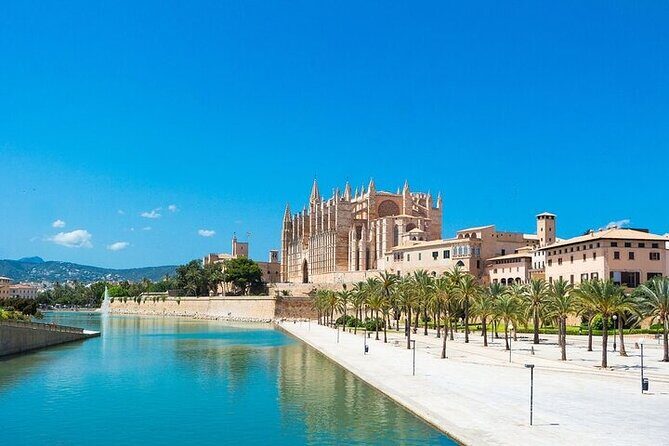
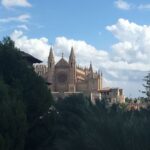
Then Parc de la Mar becomes the bridge between city and sea. It’s described as a tranquil park with panoramic views and a look toward the Cathedral of Santa Maria. This is the “exhale” moment of the day, and it also works as a natural point to review what you just learned.
Why I think this is smart value
If your first instinct in Palma is to chase landmarks only, you end up with photos but not a feeling for the city. Adding sea space makes the whole day more balanced.
Palau de l’Almudaina and finishing at Plaça de la Seu
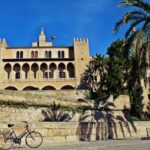
Before you wrap up, the walk includes Palau de l’Almudaina, a medieval royal residence. The guide frames it as a place tied to royal life and power—courtyards and halls that help you understand why Palma’s Old Town doesn’t just have churches, it has governance and authority too.
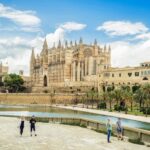
Finally, the route ends at Plaça de la Seu, the busy square by the Cathedral area. This closing stop is practical: it’s a natural place to get a drink, regroup your photos, and decide what you want to see next on your own.
A small but useful mindset
Treat the last square as your launchpad. You’ve now got mental maps of the Old Town, plus a better sense of which monuments you’ll want to return to—this time for longer time inside, if that’s your style.
Price and value: what $37.71 gets you (and what it doesn’t)
At about $37.71 per person for roughly two hours, this tour fits well for travelers who want structure without spending all day in lines. You’re paying for a guide, a timed route, and the ability to learn fast while moving through Palma’s core sights.
What you shouldn’t assume: the tour is not built around entry fees to museums and monuments. The tour data also points out that it’s mainly a city tour rather than a tour inside the monuments. The upsides are that you keep costs predictable and you can still choose which interiors to pay for later.
If you want a single guided overview before making separate ticket-based visits, this is a solid value.
Who should book this walking tour
Book it if you:
- Want a quick, organized Old Town introduction without researching every street
- Prefer a guide who can tailor the pace (and in feedback you’ll see names like Romina, Christina, and Mimi mentioned for being friendly and enthusiastic)
- Like a mix of architecture and atmosphere, including a pastry stop and sea views
Skip it if you:
- Want long museum-style time inside multiple monuments
- Dislike tight time windows between stops
Should you book this Palma walking tour?
I’d book this if you’re short on time, arriving for a cruise-style day, or you want to get oriented fast and then explore on your own. The best reason is the balance: major landmarks, a Moorish chapter at the Baños Árabes, and a calm sea ending at Parc de la Mar.
The only real caution is format. Because it’s mainly a city sights walk, you may have limited inside access unless you choose to add separate visits. Also, like any live-guided product, there can be rare hiccups; in past feedback there was at least one case of a guide cancellation while people were en route, followed by a refund process.
If you like learning while walking and you’re okay paying extra only when you truly want to go inside, this one is a strong pick.
FAQ
How long is the Palma de Mallorca must-see attractions walking tour?
It’s about 2 hours.
What does the tour cost?
The price is listed as $37.71 per person.
Is this tour private or small group?
You can book private or small group. For the group option, there’s a minimum of 2 participants, and it’s described as private, meaning only your group participates.
What languages are the guides available in?
The tour is offered in English, and guides can also speak Spanish, French, and Italian.
Are monument and museum entry tickets included?
No. The tour notes entry to monuments and museums is not included. You’ll get help to book tickets for desired visits.
Is food and drink included?
No. Drinks and food are not included.
Where do we meet and where does the tour end?
It starts at Passeig des Born, 4, Centre, 07012 Palma, Illes Balears, Spain and ends back at the meeting point.
Can I cancel for a full refund?
Yes. You can cancel for a full refund up to 24 hours before the experience start time.