Mallorca’s Serra de Tramuntana feels like it’s on quiet mode. This 6-hour day trip trades the usual Palma rush for UNESCO Tramuntana viewpoints, family-run food stops, and a proper Mallorcan lunch. I especially like how the day mixes scenic places with hands-on tastings, and you’ll end with a meal that actually tells you what people eat day to day.
The other thing I really appreciate is the human side: you’re with a local guide who can bring the stories to life, and you may even recognize names like Birgit, Bridget, or Alvaro from past groups. One thing to keep in mind: it’s not suitable for people with mobility impairments, and there’s some walking on uneven ground.
In This Review
- Quick hits
- A small-group feel in a big UNESCO region
- Pickup from Cala Blava to Calvià: easy start, limited range
- Valldemossa’s Hermitage: a short walk with big views
- Miramar Monastery and Archduke Luis Salvador’s seaside world
- Sóller Olive Oil Mill: the owner-led tour that makes the day click
- Lunch that’s classic Mallorca, not tourist cafeteria food
- Guides and driving: what makes the day feel smooth
- Timing, walking, and what to pack for Tramuntana weather
- Price and value: is $147 worth a 6-hour day?
- Should you book this Tramuntana day trip?
- FAQ
- How long is the Mallorca Tramuntana hidden gems day trip?
- Where does the hotel pickup work?
- What languages are offered for the live guide?
- What are the main stops during the day?
- Is there walking involved?
- What is included in the lunch?
- Are snacks and drinks included before lunch?
- Is there a way to reduce waiting time at entrances?
- What should I bring with me?
- Is the tour suitable for people with mobility impairments?
Quick hits
- Valldemossa’s Hermitage walk: a short 10-minute stretch for big panoramic payoff
- Miramar Monastery stories: old mills, sea views, and Archduke Luis Salvador’s summer world
- Family olive oil mill in Sóller: a private-style tour with an owner-led look at production
- Taste the island as you go: ensaimada, Quelitas crackers with cheese, olive oil samples, then lunch
- Pa amb oli lunch + Gató: a classic spread, finished with almond cake
- Guides that keep the day moving: many groups praise energetic, friendly guiding and careful driving
A small-group feel in a big UNESCO region
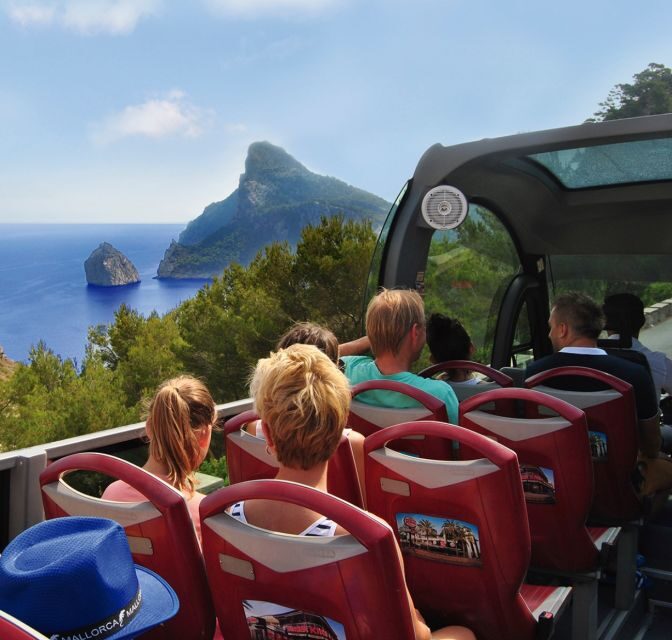
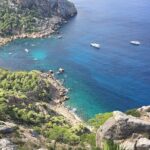
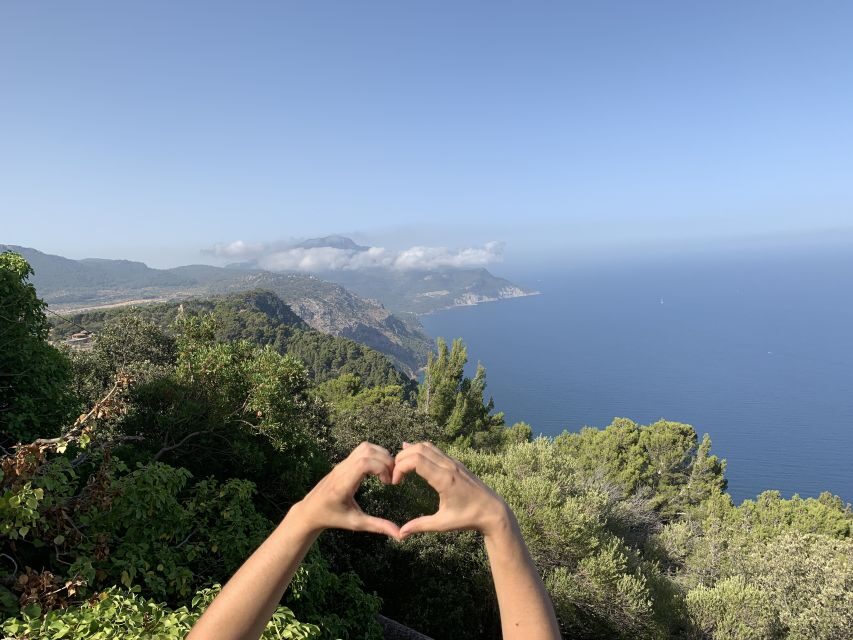
The Serra de Tramuntana is famous, but this tour approach makes it feel less like a checklist and more like a route you’d happily take on your own time. You’ll travel through the Tramuntana, a UNESCO World Heritage Site, with enough structure that you don’t waste the day hunting for parking or figuring out what’s open.
What makes this tour especially workable is the mix of sights and food. It’s not just scenic stops; it’s a day where you get to taste Mallorca at a few points along the way—then you sit down for lunch that includes the island’s basics: bread, tomatoes, olives, cheese, ham, and olive oil. That matters because Mallorca’s food culture is tied to the landscape you’re driving through.
The time frame is also realistic. At 6 hours, you can see several meaningful stops without feeling like you’re trapped on the road all day.
You can also read our reviews of more tours and experiences in Mallorca
Pickup from Cala Blava to Calvià: easy start, limited range
Logistically, the day starts with hotel pickup and drop-off in the island’s southern area, from Cala Blava to Calvià. If you’re staying in that zone, it’s one less thing to manage, and it keeps the morning stress low.
If your hotel sits outside that pickup range, you’ll want to arrange differently. The tour information is clear about the included pickup area, so don’t assume they can grab you from anywhere on the island.
On the road, you’ll also have a driver for the day. If you’re arriving with your own car, there’s mention of radio and antenna equipment to help the group stay connected—nice for coordination.
Valldemossa’s Hermitage: a short walk with big views
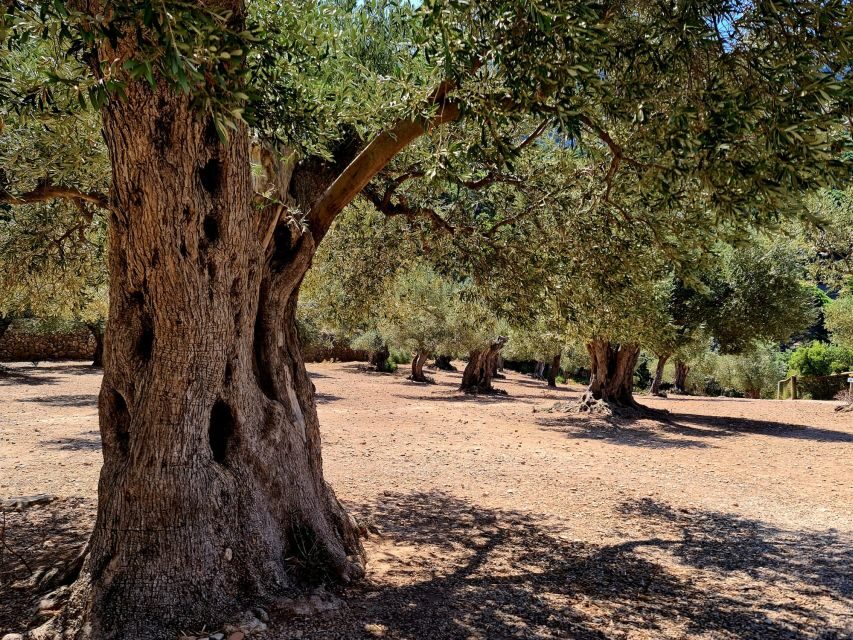
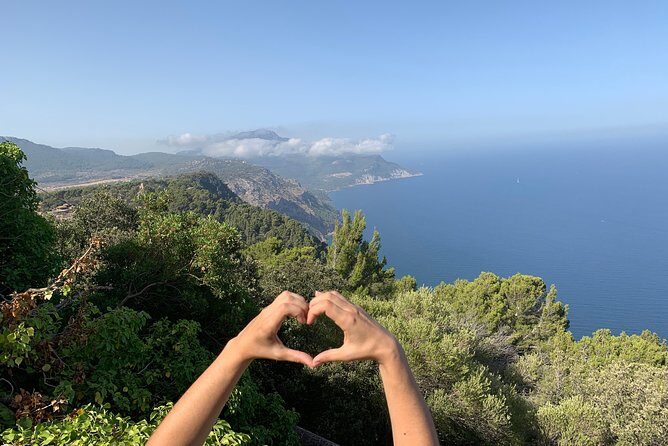
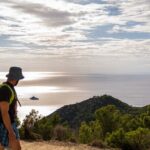
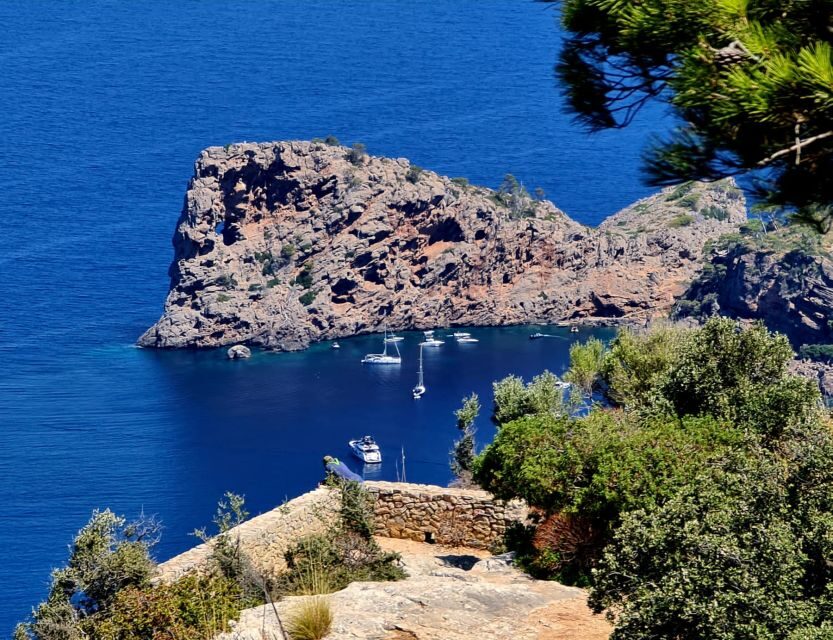
The day’s first “you’re really in Tramuntana” moment often comes early at Valldemossa’s Hermitage. You’ll stop at the area of Valldemossa, then take a 10-minute walk to the chapel. It’s not long, but it’s enough to break up the driving and wake up your legs.
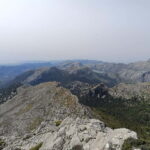
Once there, the payoff is the panoramic perspective over the area. You’ll get the feeling of why this region inspired artists and dreamers: steep terrain, sea air, and stone villages that look like they’ve been holding secrets for centuries.
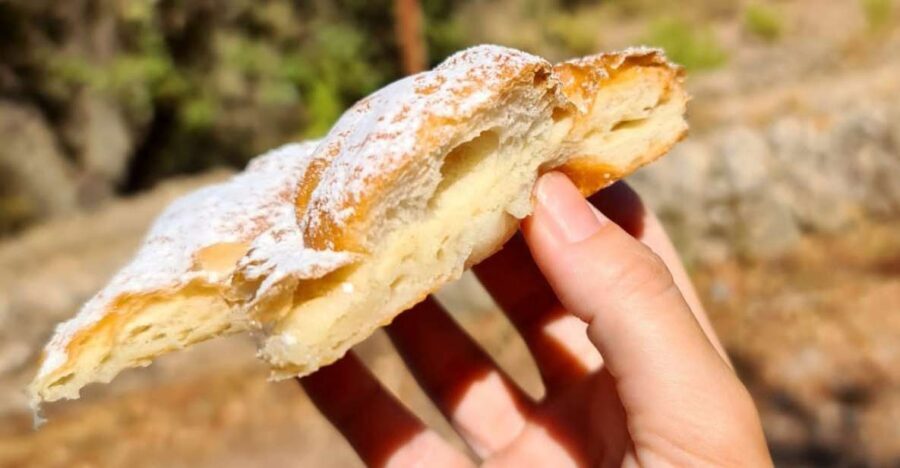
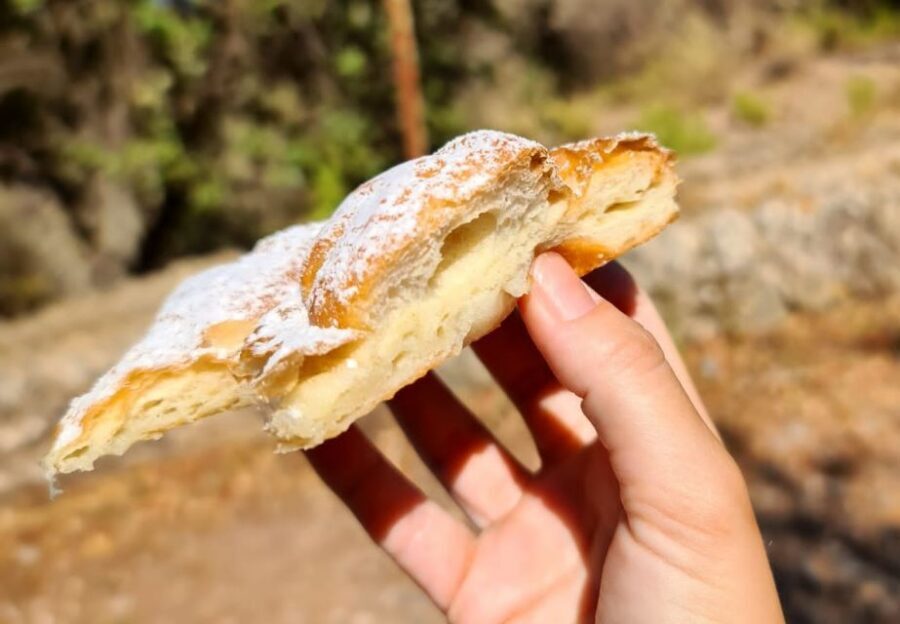
There’s also a food moment right here. You’ll sample freshly baked ensaimada, a traditional Mallorcan pastry. It’s small, but it’s a smart start because it sets the tone for the rest of the day: local, simple, and tied to place.
And one more detail that helps: the tour includes skip-the-line entry via a separate entrance, so you’re less likely to lose time before the view arrives.
Miramar Monastery and Archduke Luis Salvador’s seaside world
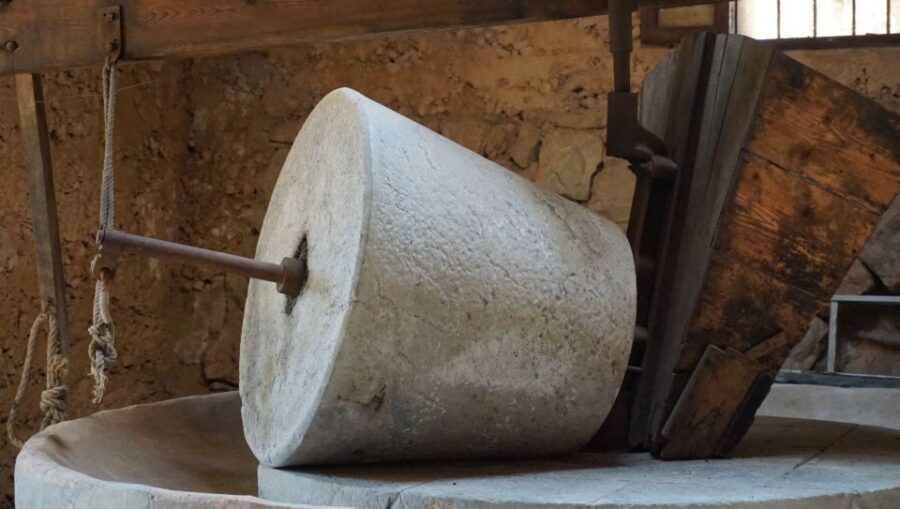
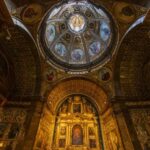
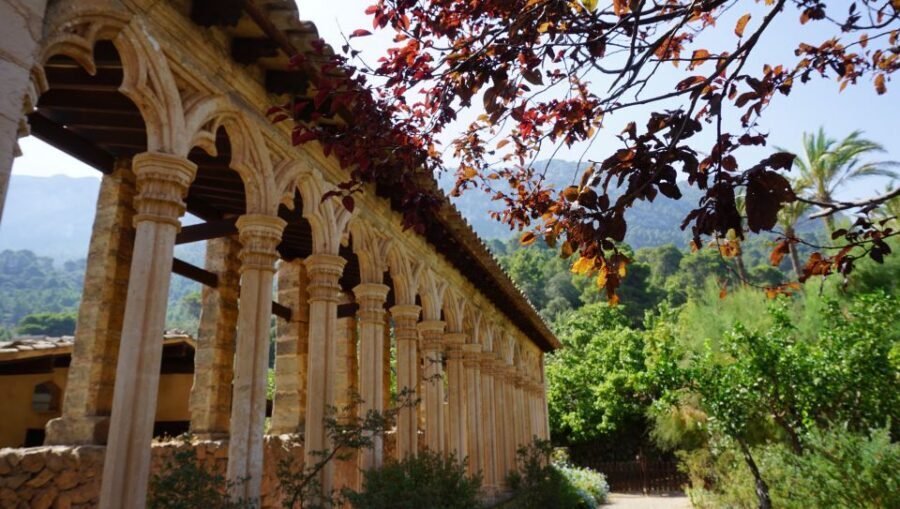
Next up is Miramar Monastery, a site that was converted into a summer house for Archduke Luis Salvador and his guests. This stop works well because it’s both architectural and scenic. You’re not just looking at buildings—you’re seeing how power and leisure shaped a corner of the Tramuntana.
You’ll first visit the old mill, which adds context beyond the fancy interiors. Then you continue through the residence area, where you can see extravagant rooms and details set against sea-facing views.
One of the more interesting layers here is the mention of Byzantine Gardens and the legends around them. Even if you don’t catch every story in the time you have, you’ll leave understanding that the monastery’s transformation wasn’t casual. It was curated, with guests in mind and spectacle built into the design.
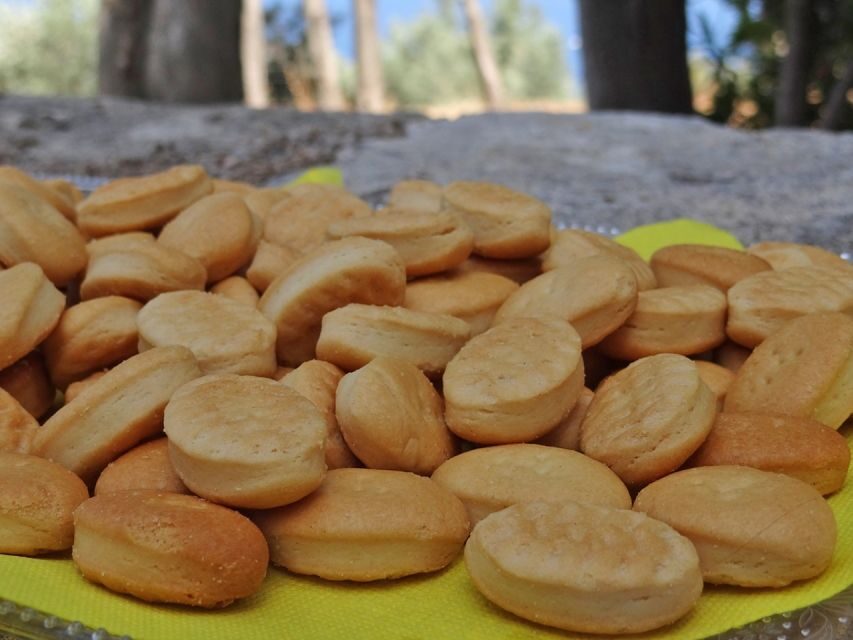
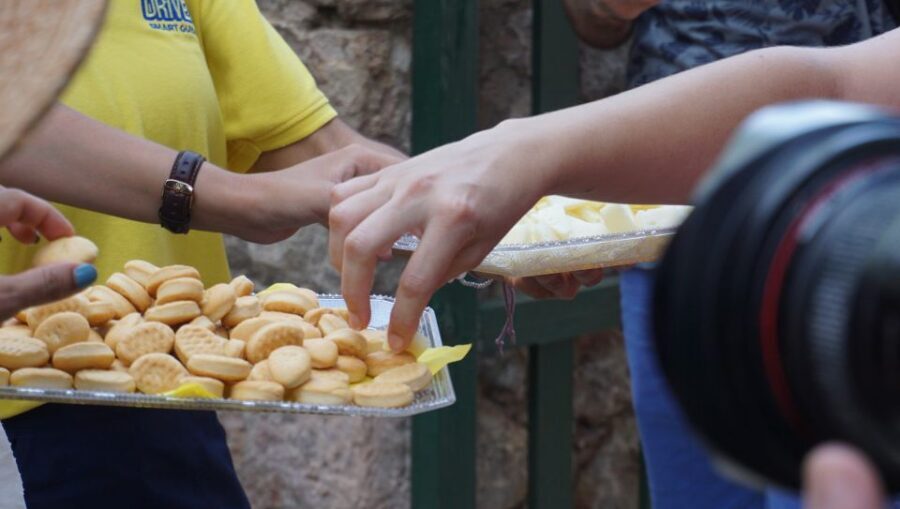
To keep it from becoming all “look but don’t touch,” there’s another tasting stop at the monastery area: Quelitas crackers with cheese, described as a daily delicacy for many Mallorcans. That’s a great contrast to the ensaimada earlier—sweet pastry first, then a savory snack.
Sóller Olive Oil Mill: the owner-led tour that makes the day click
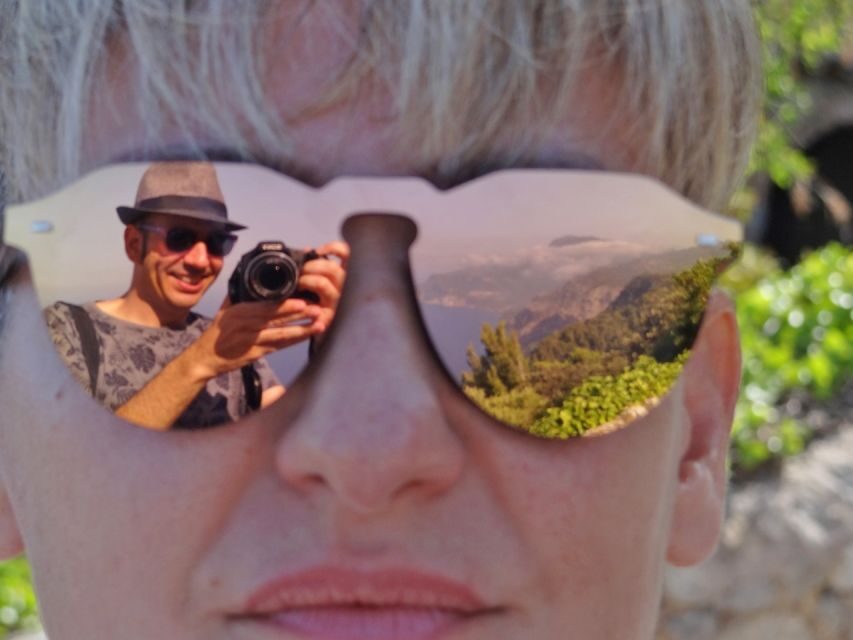
By the time you reach the Sóller Olive Oil Mill, you’ve already tasted a few Mallorcan classics. This is where the day gets more practical in the best way: you learn how olive oil actually gets made, not just that it’s important.
The tour includes a private tour of the mill’s premises, led by one of the owners. That owner-led access is a key value point. It usually means you hear the real process and the family story, rather than just a quick walkthrough.
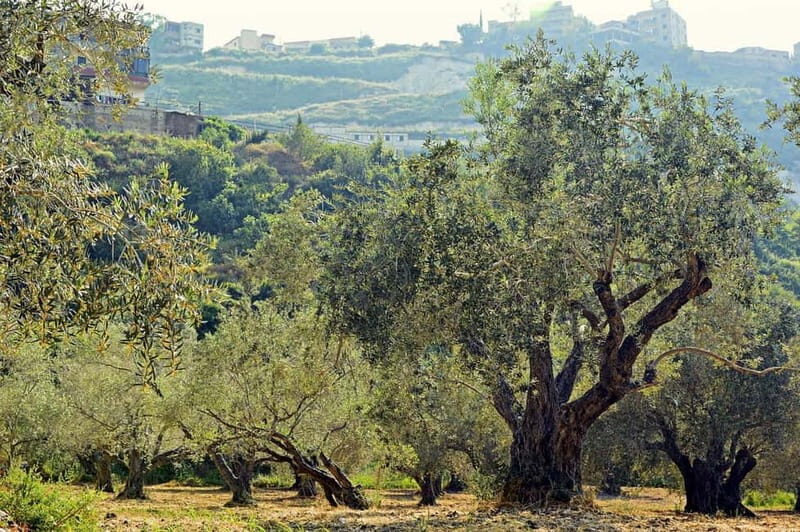
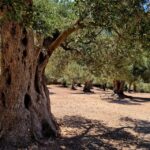
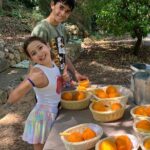
You’ll learn about olive oil production, and the experience also includes orange harvesting. That pairing makes sense in Mallorca’s working rhythm—olive trees and citrus are part of everyday agricultural life, and the taste later at lunch connects back to what you saw here.
Also, one review notes that this stop made them wish there had been more hiking. That’s telling: even if the day isn’t a long trek, you’ll still feel the urge to keep exploring once you’re in the right terrain.
You can also read our reviews of more tours and experiences in Mallorca


Lunch that’s classic Mallorca, not tourist cafeteria food
Lunch is the moment this tour turns from “nice stops” into “worth it.” You’ll have a traditional Mallorcan meal of pa amb oli, served with local rustic bread, tomatoes, olives, cheese, ham, and olive oil.
This is one of those foods that’s simple on paper but hard to fake. The olive oil is the star, and since you’ve just visited an olive oil mill, you’ll get more out of it than if lunch arrived out of nowhere. You’re tasting the result of what you learned moments earlier.
Dessert follows with Gató, a typical almond cake from the island. It’s sweet, but it doesn’t feel like an afterthought. It fits the flow of a day centered on local ingredients.
Drinks are included too: wine, water, and freshly squeezed orange juice. One review highlighted the orange juice as a standout, and that tracks with Mallorca’s reputation for citrus flavor. If you like juice, I’d treat that as your “slow sip” moment—because it’s one of the easiest ways to taste the island without needing a long explanation.
Guides and driving: what makes the day feel smooth
A good guide is what turns a route into a story. In the reviews, the guides come through as genuinely friendly and energetic—people like Birgit, Bridget, and Alvaro show up as examples. The consistent theme is that they care about making the day run well and about answering questions.
I also like the way the day is set up for confidence. One group specifically praised careful driving and felt safe throughout. That matters because the Tramuntana roads demand attention—tight corners, changing viewpoints, and the kind of driving where you want someone who knows how to manage time and traffic.
Group size isn’t stated in the tour details you provided, so I won’t guess. But the day does feel structured: you’re not left alone with a map, and you’re not trying to coordinate a bunch of strangers across multiple stops.
Timing, walking, and what to pack for Tramuntana weather
You’re out for 6 hours, so you’ll want to dress for a day that includes both viewpoints and short walks. Wear comfortable shoes. Even the short 10-minute walk to the Hermitage can be on uneven ground, and you’ll stand for views.
Bring a windbreaker. Tramuntana air can shift fast, and the tour notes that a light coat helps, especially in winter months. This is the kind of “small thing that saves your day” tip. If you get cold on a cliff view, you’ll rush the stop, and you’ll miss the point.
There’s also a clear note: the tour isn’t suitable for people with mobility impairments. Plan around that. If stairs or uneven surfaces are a problem for you, skip this one and look for a different itinerary.
Price and value: is $147 worth a 6-hour day?
At about $147 per person for a 6-hour tour, the price only makes sense if you treat it as a value bundle, not just transportation. Here’s what you’re getting as part of that day: pickup and drop-off in the southern area, a driver, a local guide, entrance fees, snacks and mineral water, and a full lunch with wine and soft drinks, plus tastings along the way.
If you tried to recreate this yourself, you’d likely spend extra time figuring out logistics and paying for separate admissions—plus you’d lose the guided context that helps you understand why places were shaped the way they were.
So my take: this price feels fair if you want structure, local guidance, and food included. If you’re the kind of traveler who loves building your own route day-by-day, it might feel “fixed.” But for most people doing Mallorca for the first time, it’s a practical way to see more than Palma without wasting hours.
Should you book this Tramuntana day trip?
Book it if you want:
- UNESCO Tramuntana views without turning your day into a self-made navigation project
- A food-focused itinerary that includes pa amb oli, Gató, and multiple taste stops
- A guide-led day where you can ask questions and get context—especially for the olive oil and monastery stories
- A short walking stretch that’s manageable if you’re generally mobile (but not long enough to replace real hiking)
Skip it if:
- You need an itinerary that’s mobility-friendly (this one isn’t)
- You strongly prefer hands-on independent travel with no fixed route
- You’re hoping for a full hiking day. There’s walking, but it’s not built as a hike-first experience.
If you like the idea of learning Mallorca through what locals eat and how they make it, this is an easy yes.
FAQ
How long is the Mallorca Tramuntana hidden gems day trip?
The tour lasts 6 hours.
Where does the hotel pickup work?
Pickup and drop-off are included in the southern area of the island, from Cala Blava to Calvià.
What languages are offered for the live guide?
The live tour guide is available in German, English, and Spanish.
What are the main stops during the day?
You’ll visit Valldemossa (including the Hermitage area), Miramar Monastery, and a Sóller olive oil mill, plus you’ll enjoy lunch afterward.
Is there walking involved?
Yes. You take a short 10-minute walk to reach the Hermitage chapel.
What is included in the lunch?
Lunch includes traditional pa amb oli with rustic bread, tomatoes, olives, cheese, ham, and olive oil. Dessert is Gató, and you’ll also have wine, water, and freshly squeezed orange juice.
Are snacks and drinks included before lunch?
Yes. The tour includes snacks and mineral water, and you’ll also have tastings at stops along the way.
Is there a way to reduce waiting time at entrances?
The tour includes skip-the-line access via a separate entrance.
What should I bring with me?
Bring comfortable shoes and comfortable clothes, plus a windbreaker or light coat, especially if you’re traveling in cooler months.
Is the tour suitable for people with mobility impairments?
No, it is not suitable for people with mobility impairments.