REVIEW · MALLORCA
Secrets of Jewish Majorca – Half Day Experience
Book on Viator →Operated by Jewish Majorca · Bookable on Viator
Palma has a way of hiding the past in everyday streets, and this half-day tour follows the clues. I like how you start at the Jewish Quarter Interpretation Center and then walk through specific lanes tied to Xueta families, and I also like that the history is explained in human terms, from Inquisition fear to crypto-Jews. One thing to consider: the subject matter is heavy, and the route is weather-dependent, so you’ll want a flexible attitude if rain changes plans.
You’ll also get time with two focused stops—Centre Maimó Ben Faraig museum and Panaderia Fiol—where the story shifts from persecution to everyday survival. The whole experience runs about 4 hours, with a small number of stops designed to keep you moving rather than sitting in rooms all afternoon.
In This Review
- Key moments that make this tour worth your time
- Entering Palma’s Jewish Quarter: Interpretation, passageways, and memorials
- The secret tunnel in a ceramics workshop
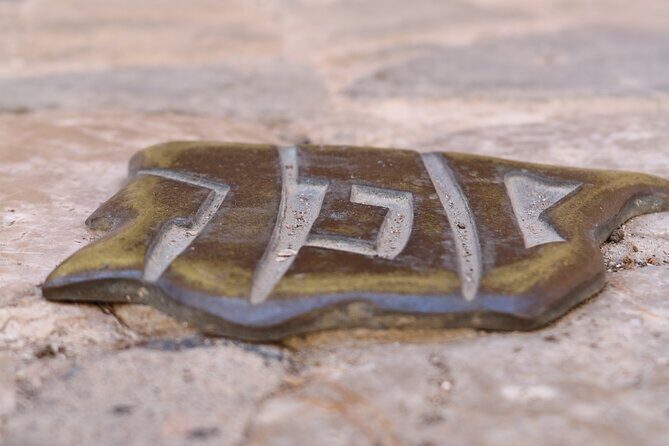
- Memorial plaques and Stopelsteins from the Spanish Civil War
- Inquisition-era pressure: forced conversions and the idea of crypto-Jews
- Xueta families and the clues you can still spot in Palma
- Why jewelry shops matter on this route
- Ensaimada, pork fat, and a food story shaped by prejudice
- Stop: Centre Maimó Ben Faraig Museum (a short pause with clear purpose)
- Panaderia Fiol: a modern bakery with a medieval oven behind it
- What to do during the bakery stop
- Timing, pace, and what to bring for a smooth 4-hour half day
- Pace and group format
- Weather matters
- What you’ll want to pack
- Price and value: is $259.29 per person a good deal?
- One caution: on-the-ground details can change
- Should you book this Secrets of Jewish Majorca half-day tour?
- FAQ
- How long is the half-day experience?
- Where does the tour start and end?
- What is included in the price?
- Is coffee, breakfast, lunch, or snacks included?
- What stops are included?
- Is this a private tour?
- When will I receive confirmation after booking?
- Does the tour require good weather?
- Can I cancel for a full refund?
- Is mobile ticketing used?
Key moments that make this tour worth your time
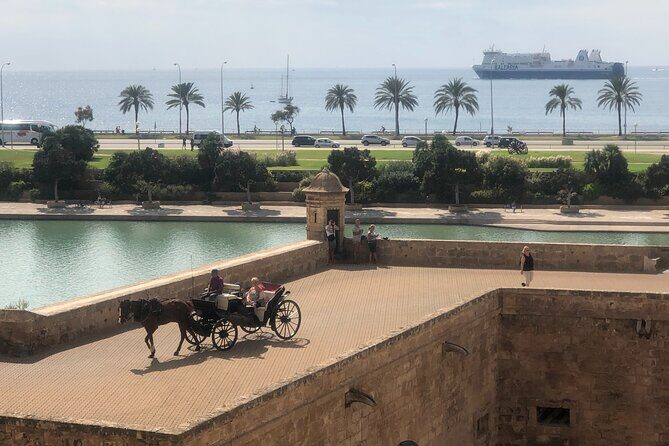
- Start in the Jewish Quarter Interpretation Center next to the old call (Jewish quarter) entry point, so you get your bearings fast
- A secret tunnel in a ceramics workshop adds a real sense of place to the walking story
- Stopelsteins and memorial plaques connect Jewish heritage to the wider scars of Spain
- Crypto-Jews and forced conversions are explained as a practical survival strategy, not just dates
- Xueta streets and family jewelry shops let you see how discrimination can echo for generations
- A medieval-oven bakery visit ties culture to food, including the pork-fat story behind ensaimada
Entering Palma’s Jewish Quarter: Interpretation, passageways, and memorials
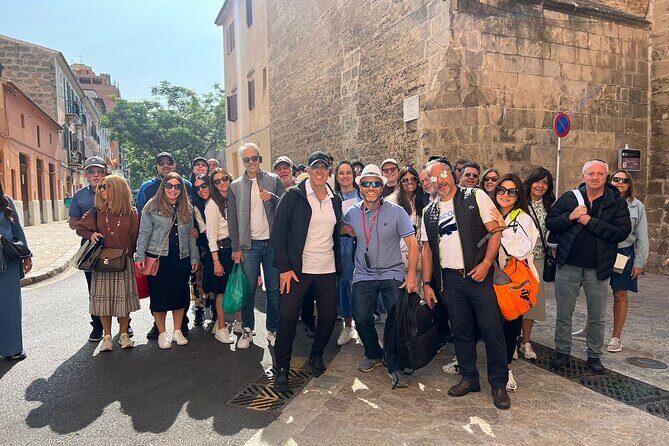
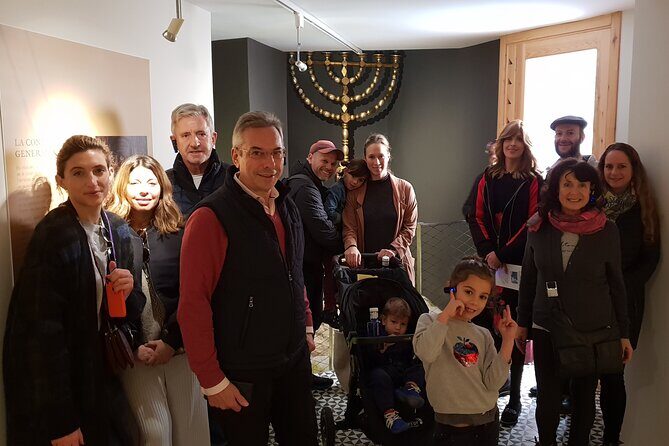
Your tour starts at Starbucks on Plaça de Cort, 1 in central Palma, and it loops back to the same place. That matters because you can plan your day without hunting for a new end point or guessing how to get home. From there, you begin at the Jewish Quarter Interpretation Center, positioned right by the old Jewish Quarter entry area.
This first stop is less about reading a plaque and more about learning the geography. In Catalan-influenced cities across Spain—like Barcelona and the Balearics—you may see signs such as Carrer de Call, meaning Street of the Jewish Quarter. Here, the tour uses that idea to help you understand what you’re looking at before you start walking.
What I find especially effective is the way the tour turns the street-level view into a guided map. You’re not just told that a community existed—you’re pointed toward the boundaries, the pressure points, and the moments when Jewish life had to change its shape.
You can also read our reviews of more tours and experiences in Mallorca.

The secret tunnel in a ceramics workshop
One of the most memorable parts is going through a secret tunnel in a ceramics workshop. It’s the kind of detail that makes the history feel physical. Even if you’ve read about secret passages elsewhere in Europe, this one helps you picture what concealment might have meant in Palma, in real time, for real people.
Practical tip: wear shoes you trust. The best historical walks can still feel like a normal city stroll, and you’ll want to stay comfortable while you’re listening and moving.
Memorial plaques and Stopelsteins from the Spanish Civil War
After the tunnel, you shift from medieval-era background to something more modern: you’ll view memorial plaques or Stopelsteins connected to the Spanish Civil War. This is a smart move for two reasons.
First, it prevents the tour from feeling like a museum display frozen in time. Second, it shows that persecution and identity weren’t just ancient history—they have continued consequences in different forms.
Inquisition-era pressure: forced conversions and the idea of crypto-Jews
The emotional core of the tour is the explanation of how the Inquisition shaped lives, including forced conversions and the emergence of crypto-Jews. The basic idea is simple but powerful: some families publicly adapted to survive, while maintaining Jewish identity privately.
You’ll hear this framed as a shift in daily behavior, not as a vague concept. That makes it easier to connect the historical events you’re learning to the streets you’re walking. When you later see patterns linked to the Xueta community, the tour helps you understand why public life and private belief could diverge so sharply.
A quick note on tone: the stories here involve coercion and fear. This is not a casual stroll through pleasant old buildings. It’s a heritage tour with real weight. If you’re sensitive to topics like religious persecution, plan for that before you book, and give yourself time after the tour to decompress.
Xueta families and the clues you can still spot in Palma
One of the tour’s strengths is that it doesn’t stop at the past. You’ll visit specific streets where Xueta families lived for centuries, and in some cases until as recently as the 1960s. That detail does something important: it stretches your sense of timeline. The effects of discrimination can last long after the original laws or decrees fade.


Why jewelry shops matter on this route
The tour explains that signs of this marginalized community can still be found today. A big part of that is the observation that many current jewelry shops were kept within families across generations before.
Even if you’re not shopping, pay attention to the idea behind what you’re seeing: family trade, survival networks, and social visibility shaped business life. It’s a reminder that heritage isn’t only synagogue stones and museum glass. It can show up in who owns a shop, what gets passed down, and which streets became home.
Practical tip: if you want to ask questions, do it respectfully. Store staff are running a business, not acting as a tour guide. Even a brief conversation can deepen what you learned on the walk.
Ensaimada, pork fat, and a food story shaped by prejudice
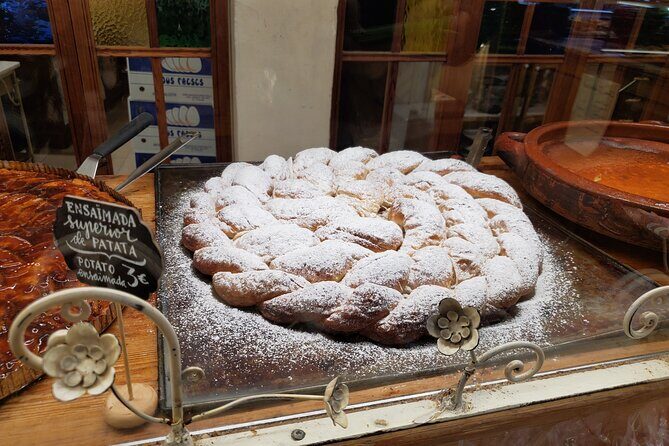
You’ll also connect Jewish heritage to a well-known Mallorquin pastry: ensaimada. The tour shares the story that it’s cooked with pork fat as a reaction to centuries of prejudice and discrimination. That kind of detail makes the tour feel grounded. Food becomes evidence of adaptation.
I like this approach because it gives you an everyday object to remember. When you’re back home, you won’t just recall an event—you’ll recall a practice and the reason it arose.
Stop: Centre Maimó Ben Faraig Museum (a short pause with clear purpose)
After your walking introduction, you’ll head to Centre Maimó Ben Faraig Museum. The time here is about 30 minutes, with admission included (it’s listed as free).
This stop works best as a breather. You’ve been moving and listening; now you get a compact museum segment that helps you organize what you just heard. Short museum time can feel rushed on other tours, but here it’s intentionally brief, which keeps the focus on connecting ideas rather than forcing you to read every label.
If you like history that ties into places you already walked, this is the kind of museum stop that supports the rest of the tour.
Panaderia Fiol: a modern bakery with a medieval oven behind it
Next up is Panaderia Fiol, where the pitch is simple: a modern bakery built around a medieval oven from 1652. Expect about 30 minutes here, again with admission listed as free.
Food stops on tours can swing between two extremes: either they’re mostly a sales pitch, or they’re a cultural detour with nothing substantial. This one has a built-in advantage because the focus includes the physical oven itself. That’s not just a branding trick; it’s a tangible link to how people baked and lived in earlier centuries.
Why this fits the rest of the experience:
- You’ve heard how identity and practice changed under pressure.
- Now you’re looking at continuity through craft.
- And the pastry story (like ensaimada) helps connect the history lesson to something you can actually taste afterward, if you choose.
What to do during the bakery stop
I’d use the time for two things:
- Ask questions about the oven and the baking process if staff engage with visitors
- Pick up something to go, even if you’re not planning a full meal yet
Since coffee and/or tea and snacks aren’t included, this is a good moment to decide whether you’ll buy something on-site or save your appetite for later.
Timing, pace, and what to bring for a smooth 4-hour half day
This is an approximately 4-hour experience. That length is ideal if you want a meaningful heritage tour without losing your whole afternoon.
Pace and group format
It’s a private tour/activity, meaning only your group participates. That can make a big difference on topics like this—questions can come up naturally, and the guide can slow down when you want to know why a street or a detail matters.
At the same time, it still runs on a schedule, so don’t expect long “stand and stare” moments. You’ll likely spend most of your time walking between interpretive points plus two shorter stops.
Weather matters
The experience requires good weather. If weather cancels the tour, you’ll be offered a different date or a full refund. Because of this, I recommend checking the forecast when you’re within a day or two of your visit.
What you’ll want to pack
Not everything is provided. The tour doesn’t include breakfast, lunch, or snacks, and coffee/tea isn’t included either. Bring water, and wear comfortable shoes for the walking segments. If you’re visiting Palma in hotter months, consider a hat and sunscreen—waiting around for a museum stop is one thing, but walking in full sun is another.
Price and value: is $259.29 per person a good deal?
At $259.29 per person for about 4 hours, this isn’t a bargain-basement option. But it can be good value depending on two things: how you travel (group size) and what you want from the afternoon.
Here’s where the value comes from:
- All fees and taxes are included
- The stops with admissions are listed as free (so you’re not paying extra at each location)
- The experience is private for your group
- You also get mobile tickets, which reduces friction on the day
Where the cost can feel less appealing:
- You’re paying for guided interpretation, not for extra food or a long sit-down meal
- Coffee/tea and meals aren’t included, so you’ll likely spend a bit extra during or after the tour
- Topics are serious, so you should be sure this is the kind of history you want to spend your afternoon on
My practical take: if you’re traveling as a small group and you want a guided, story-driven walk through Palma’s Jewish heritage sites, this price can make sense. If you’re just looking for a light stroll and a quick museum glance, you may feel the cost more sharply.
One caution: on-the-ground details can change
I like that you get a structure with named stops: the Interpretation Center, Centre Maimó Ben Faraig, and Panaderia Fiol. That said, one past guest pointed out that a Jewish store referenced in the description was not present as expected and said the listing felt inaccurate, along with comments about disorganization and an endpoint issue.
I can’t confirm anything beyond what’s described here, but it leads to a smart rule for planning: keep your expectations anchored to the core stops. If something sounds like it’s part of a specific shop visit, ask the guide early how the day’s route is unfolding.
Should you book this Secrets of Jewish Majorca half-day tour?
Book it if you:
- Want a guided walk that explains the human story behind Jewish heritage in Palma
- Appreciate specific place-based details like Xueta streets and what still shows up today in everyday commerce
- Like short museum and craft stops that connect to what you just learned
- Prefer a private group format rather than merging into a large crowd
Skip it or choose a different option if you:
- Don’t want to spend time on difficult topics like forced conversions and the Inquisition
- Want an experience that includes meals or lots of free time to wander on your own
- Are booking only for quick sightseeing and photos, with minimal listening
If you do book, go in ready to walk, listen, and connect details you might miss on your own. This tour’s best moments come when history turns into something you can point to—streets, memorials, and even a pastry story tied to discrimination.
FAQ
How long is the half-day experience?
It runs for about 4 hours.
Where does the tour start and end?
It starts at Starbucks on Plaça de Cort, 1 in Palma and ends back at the same meeting point.
What is included in the price?
All fees and taxes are included. Admissions for the listed stops are shown as free.
Is coffee, breakfast, lunch, or snacks included?
No. Coffee and/or tea, breakfast, lunch, and snacks are not included.
What stops are included?
You visit the Jewish Quarter Interpretation Center, Centre Maimó Ben Faraig Museum, and Panaderia Fiol.
Is this a private tour?
Yes. Only your group will participate.
When will I receive confirmation after booking?
You should receive confirmation within 48 hours of booking, subject to availability.
Does the tour require good weather?
Yes. The experience requires good weather. If it’s canceled due to poor weather, you’ll be offered a different date or a full refund.
Can I cancel for a full refund?
Yes. You can cancel up to 24 hours in advance for a full refund.
Is mobile ticketing used?
Yes. The experience includes a mobile ticket.