REVIEW · MALLORCA
Port d’Alcúdia: Electric Foil Experience with Instructor
Book on GetYourGuide →Operated by Windpirates · Bookable on GetYourGuide
A high-speed lesson on water can sound scary. It’s actually a well-taught electric foil ride with instructor coaching, and the payoff is gliding above the waves. One note: it can feel a bit technical at first, and on rare occasions equipment issues can cut practice time short.
In Port d’Alcúdia, you’ll learn the basics of balancing, steering, and standing in a session built around real time on the board. I like that the experience is taught step by step, and you can choose 30 minutes or up to 1 hour depending on how much practice you want.
This is a fun, active ride, but it’s not for everyone. If you have low fitness, are pregnant, over 70, or under 14, you’ll need to look for another option.
In This Review
- Key Things I’d Bet On
- Electric Foil in Port d’Alcúdia: What the Ride Really Means
- Getting Up and Flying: The Learning Curve on Your E-Foil
- 30 Minutes vs 1 Hour: How Much Time You Need
- Views From Above: Port d’Alcúdia and Mallorca’s Coastline
- What’s Included (and What You Should Plan For)
- Safety, Limits, and Who This Fits Best
- Practical Tips So You Don’t Waste Your Practice Time
- The Bottom Line: Should You Book Windpirates in Port d’Alcúdia?
- FAQ
- How long is the electric foil experience?
- What is included in the price?
- Who can participate?
- What should I bring?
- What languages do the instructors speak?
- Is it a group activity?
- Where does the activity take place and where does it end?
Key Things I’d Bet On
- Step-by-step instruction that helps you move from belly-down to standing without guessing
- Real ocean time in Port d’Alcúdia, with Mallorca coastline views from above the water
- Two time options: a short intro or a longer session to practice more skills
- Good equipment care is part of the experience, with instructors using well-kept boards
- Private group setup, so you’re not stuck watching while others go
- A clear safety structure, including a life vest, locker, and an instructor on the water
Electric Foil in Port d’Alcúdia: What the Ride Really Means
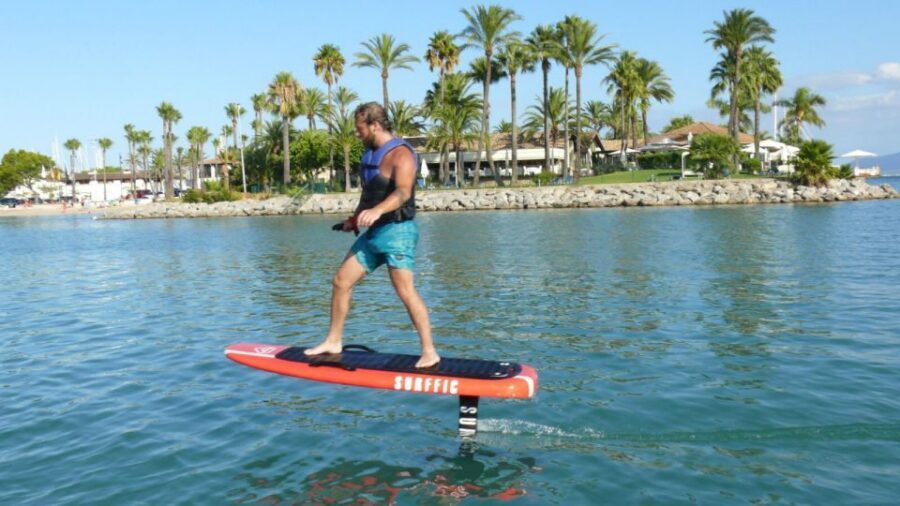
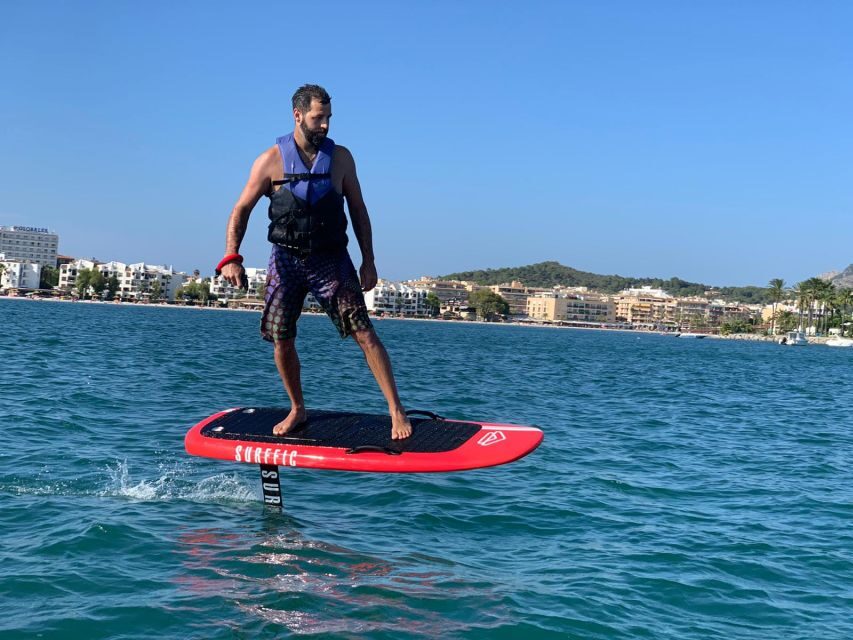
Electric foiling is the kind of activity that sounds like a sci-fi toy, then quickly turns into a real sport the moment you’re on the water. In Port d’Alcúdia, you’ll use a motorized surfboard setup (an e-foil) that lifts you above the surface once you’ve built enough speed.
What makes this feel worth it is the teaching style. You’re not thrown onto a board and told to figure it out. You get an instructor who guides your movements and gives you feedback as you progress, with support offered in several languages: English, French, Spanish, Catalan, and Basque.
From a practical standpoint, this matters because balance is your first challenge. The board position and your body control are the whole game at the start, and good instruction helps you avoid wasting time fighting the basics. In one highly rated experience, people called it fun but technical at first, and the instructor adjusted well to the group’s language and gave solid advice—exactly what you want when the learning curve hits.
There’s one potential drawback to keep in mind. One reported experience included an engine freeze and a remote control that didn’t work perfectly, plus delays getting help from the motorboat. After a reset, the rider didn’t have much time left to try again. That’s not the norm, but it’s a reminder to plan this as an activity where patience is part of the deal—especially when you’re learning something new on the water.
You can also read our reviews of more tours and experiences in Mallorca.


Getting Up and Flying: The Learning Curve on Your E-Foil
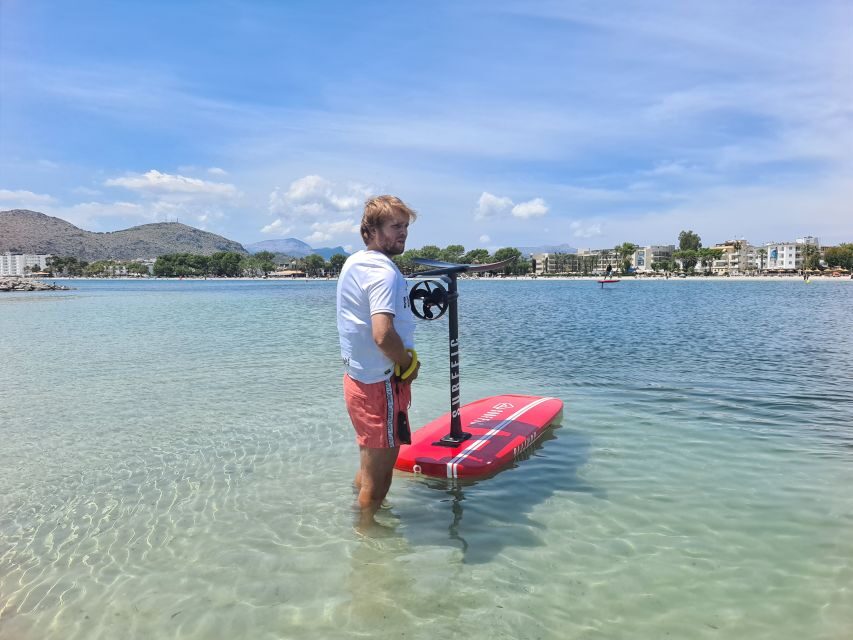
Here’s how the session typically unfolds. You start lying on your belly across the board, stretched out. It’s not glamorous, but it’s smart: it helps you stabilize your weight before you start accelerating. Once you’re comfortable, you gradually transition to your knees.
That slow change is key. If you rush it, you’ll fight the board. If you follow the instructor’s pace, you’ll feel the system start to make sense. Steering is described as intuitive, but only after you learn how the board responds to your movement and balance.
When you’re ready, you stand up fully. Then the experience changes. Instead of struggling to stay level, you start focusing on small corrections while the board lifts you above the water. At higher speed, the ride becomes smoother in a way you can feel through your legs and core. This is the moment many people came for: not just going fast, but feeling like you’re surfing with less effort than you expected.
Your instructor doesn’t just watch from a distance. They give tips as you go, and your success depends on listening and practicing the same few adjustments repeatedly. If you’re the type who learns by doing (and you can handle a little water and learning awkwardly at first), you’ll probably pick it up faster.
And yes, you’ll end with new skills. Even if you don’t become the next ocean acrobat by day’s end, you should leave knowing how to stand on the board and maintain control for at least a short stretch.
30 Minutes vs 1 Hour: How Much Time You Need
The big decision is simple: do you want a quick introduction or actual practice time.
- 30-minute option: best if you’re curious and want to learn the fundamentals. You’ll likely spend more of your session on the early stages—getting comfortable, moving from belly to knees, and attempting standing.
- 1-hour option: better value for most people because it gives time to repeat the key steps. That repetition is what turns first flights into real control.
This matches what I’d take from the ratings and feedback people gave: a longer session was recommended if you want to fully enjoy practicing. If you only have one shot, extra time lowers the pressure. You also get more chances to recover from any initial wobble and to feel confident at speed.
If you’re traveling with a schedule, you might choose 30 minutes. If you want to maximize learning and time above the water, go for the full hour.
Views From Above: Port d’Alcúdia and Mallorca’s Coastline
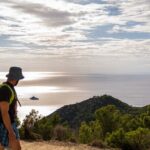
Port d’Alcúdia sits on Mallorca’s northern coast, and the water view is one of the best reasons to do this from this side of the island. Once you’re up on the foil, you stop thinking about the beach behind you and start noticing the coastline from a totally different angle.
From above the surface, you get privileged views of the Mallorca shoreline. It’s not just pretty scenery—this perspective also changes how you ride. You naturally scan the water ahead and focus on direction and stability instead of looking down the entire time.
At speed, the ride turns into a moving observation deck. The ocean becomes part of the experience, not a barrier between you and the view. And since you’re out on open water near the coast, you can see the shape of the beaches and the coastline lines in a way you don’t get from a walking viewpoint.
One more practical note: being above the water can feel exposed. You’ll want to stay locked into what your instructor tells you so your attention goes to control, not worry.
What’s Included (and What You Should Plan For)
This experience is priced at about $121 per person, with the duration depending on whether you choose 30 minutes or up to 1 hour. At this price point, you’re paying for two things: professional instruction and the cost of having the gear and team ready to run sessions safely.
What’s included:
- Electric foil ride
- Life vest
- Instructor
- Locker
Not included:
- Food and drinks
That means you should plan to eat before you arrive or bring snacks from nearby, then hydrate well. The ride is active, and even if it doesn’t feel like a gym workout, adrenaline and balance work will tire you out.
Also, the locker inclusion is genuinely helpful. You’re in beachwear and you don’t want to juggle valuables while you’re getting kitted up.
The session is also set up as a private group. That’s important. Smaller group dynamics usually make instruction easier to personalize, and you’re less likely to spend time waiting on the sidelines.
One more detail: the activity is described as skipping the ticket line. That’s nice if you’re trying to fit this between other plans in Mallorca.




Safety, Limits, and Who This Fits Best
Electric foiling is thrilling, but it’s still an activity with constraints. Based on the rules for this experience, it’s not suitable for:
- Children under 14
- Pregnant women
- People over 220 lbs (100 kg)
- People with low level of fitness
- People over 70 years
Those limits aren’t just paperwork. The ride is balance-heavy and physically demanding in short bursts. If you can’t comfortably manage sudden posture changes and bracing while standing, it’s harder to learn safely.
So who should book this?
- You want a high-adrenaline skill lesson, not a casual sightseeing boat ride
- You’re willing to get wet and look awkward for the first few minutes
- You enjoy learning with a coach watching your form
- You want a unique view of Mallorca from the water
Who might skip it?
- Anyone who can’t comfortably meet the fitness demands
- People who are sensitive to balance challenges right at the start
- Anyone who falls into the listed age or health limits
Practical Tips So You Don’t Waste Your Practice Time
You already have the big tools: instructor guidance, a life vest, and time on the water. But your preparation makes a difference in how fast you relax and start learning.
- Wear beachwear you can move in. This is an outdoor water sport, and you’ll be more confident if your outfit doesn’t fight you.
- Arrive mentally ready for a balance-first start. The belly-down phase isn’t optional. Treat it like the warm-up.
- Listen for small instruction cues. Steering and stability improve through repeated corrections, not big changes.
- If you’re choosing between 30 and 60 minutes, pick based on your goal. Want fun and a taste? Go 30. Want real practice and more standing time? Choose the full hour.
- Expect that technical sports have occasional hiccups. One reported ride had an engine freeze and remote trouble, and the response took time. If something feels off, let the team handle reset steps and stay patient.
Also, since the instructor language can be English, French, Spanish, Catalan, or Basque, it helps to arrive with a sense of which language you’ll communicate in. If you speak more than one, pick the one you’re most comfortable receiving detailed coaching in.
The Bottom Line: Should You Book Windpirates in Port d’Alcúdia?
If you want a distinctive Mallorca experience that mixes speed, skill-building, and coastline views, I think this is a strong choice. The best part is the teaching: instructors guide you step by step, and you learn a new ability rather than just buying a ticket for a thrill ride.
I’d especially lean toward the 1-hour option if you want to feel more confident and spend more time actually practicing standing and control. For pure curiosity and limited time, 30 minutes can work, but you’ll likely spend more of it at the early stages.
The only reason I’d hesitate is if you’re worried about getting thrown off by technical learning or you fall into the listed limits (age, fitness, pregnancy, weight). And while rare, equipment issues can happen in any tech sport—one rider experienced engine and remote trouble that cut their session short. If you can accept that reality and stay flexible, the upside is big.
Overall, this is the kind of activity where you leave with a skill, not just a photo. If you’re game for getting on the water and letting a coach guide your first flights, Port d’Alcúdia is a smart place to learn.
FAQ
How long is the electric foil experience?
It’s offered in durations from 30 minutes up to 1 hour, depending on the option you choose. Starting times vary, so check availability for the schedule.
What is included in the price?
The experience includes the electric foil ride, a life vest, an instructor, and a locker. Food and drinks are not included.
Who can participate?
It’s not suitable for children under 14, pregnant women, people over 220 lbs (100 kg), people with low level of fitness, or people over 70 years.
What should I bring?
Bring beachwear. The rest is handled by the experience setup, including the life vest.
What languages do the instructors speak?
Instructors are listed as available in English, French, Spanish, Catalan, and Basque.
Is it a group activity?
The experience is described as a private group.
Where does the activity take place and where does it end?
You’ll meet at a meeting point that may vary depending on the option booked, and the activity ends back at the meeting point.