REVIEW · MALLORCA
Palma: Walking Tour with Mediterranean Delicacies
Book on GetYourGuide →Operated by Elysee Tours UG (Haftungsbeschränkt) · Bookable on GetYourGuide
Palma has a way of sticking in your head. This small-group walk ties centuries of change to real city corners, then ends with a market tasting that makes the flavors make sense. I like the focus on the old quarter’s timeline—Romans to Moors and the Aragon royalty—plus the human way the guide connects buildings to everyday life. One possible drawback: you’ll do a fair amount of walking on uneven streets, and the tour isn’t set up for wheelchair users.
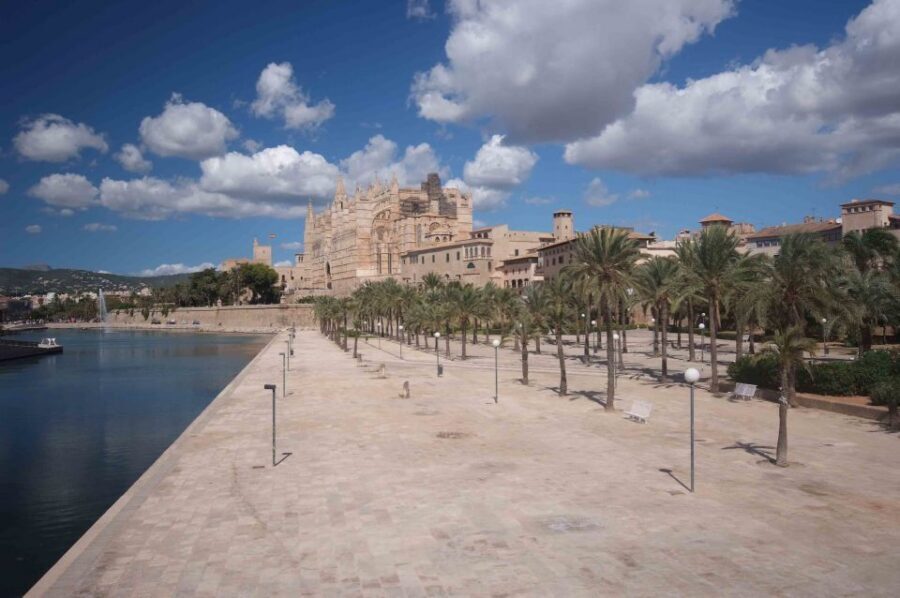
Meet at Lennox The Pub, near Parc de la Mar, and you’ll start under the cathedral area while the guide sets the political and maritime scene. The pace stays friendly for sightseeing (about 2 hours of guided walking within a 2.5-hour tour), and the guides are often praised for handling questions and tailoring the flow—names that come up include Maja and Stefan. The tour is offered in German and English, and you can book it as a private group if you want things more your way.
You’ll finish at Mercat de l’Olivar, where you’ll see the everyday ingredients behind Mallorca’s Mediterranean cuisine and taste a selection of local specialties. Entry fees and any extra food or drinks are not included, so plan a little spending buffer if you want more than the tasting. Also note the practical rule: no luggage or large bags.
In This Review
- Key things you’ll notice on this Palma walk
- From Parc de la Mar to the cathedral area: Palma’s timeline in walking form
- Consulado del Mar and the fishing harbor: where trade turned into power
- Es Baluard and the harbor viewpoint: architecture you can feel
- The old city maze, Paseo del Borne, and upper-city power
- Mercat de l’Olivar: the Mediterranean flavors you’ll want to chase later
- Price and value for a group up to 4 (and why the math matters)
- Who this Palma tour suits best
- Should you book this Palma walking tour?
- FAQ
- How long is the Palma walking tour?
- Where does the tour start?
- What happens at Mercat de l’Olivar?
- What’s included in the price?
- Are entry fees included?
- What about drinks and extra food?
- Is it wheelchair accessible?
- What should I bring?
- Is luggage allowed?
Key things you’ll notice on this Palma walk
- Parc de la Mar to the cathedral area: you’ll learn why this spot matters before you even step into the maze of streets
- Consulado del Mar and maritime trade: history tied directly to the fishing harbor and politics
- Old fishing district + Es Baluard views: you get a strong photo line over city and harbor
- Paseo del Borne and aristocracy buildings: romantic street energy with a clear backstory
- Upper-city landmarks: Almudaina Palace, town hall, and parliament are part of the same story, not random stops
- Mercat de l’Olivar tasting: you’ll leave knowing what to look for back at home
From Parc de la Mar to the cathedral area: Palma’s timeline in walking form
The tour starts where you can feel the city’s gravity. Around Parc de la Mar, you’re in the zone that helped shape Palma’s early identity, and the guide uses the political shifts of the past to explain why the city grew the way it did. It’s not just dates on a wall—expect the story to connect to what you can still see.
You’ll hear how Palma was shaped by different rulers and cultures over time: Romans, Ostrogoths, Vandals, Byzantines, Moors, and then the royalty of Aragon. That mix matters because it explains why the streets and civic spots don’t follow one single design rule. You start to understand Palma as a layered city, not a single-era postcard.
What I like about this approach is that it keeps you alert while walking. Instead of just “look at this church,” the guide gives you a reason to pay attention: who controlled trade, where power sat, and how coastal life influenced everything inland. If you’re visiting for the first time, this kind of orientation helps you get your bearings fast.
A practical note: wear comfortable shoes. The tour is designed for old-city sidewalks and tight corners, not for rolling suitcases or long detours.
You can also read our reviews of more walking tours in Mallorca
Consulado del Mar and the fishing harbor: where trade turned into power
From the cathedral area, the walk moves toward the fishing harbor and the historic maritime trade exchange. This is where Palma becomes very real, because the guide ties the city’s growth to working life—boats, food supply, and the people who ran the systems behind it.
You’ll pass key maritime sites, including the old fishing district and the Consulado del Mar. This building is presented as one of those “it kept changing jobs” landmarks: its purpose shifted through history, and today it’s described as the most important political building of the Balearic islands. That’s a big idea to carry while you’re standing in the middle of it—Palma’s governance is tied to its sea economy.
Why this stop is valuable for you: it changes how you read the city. Once you understand that trade and policy were linked, the harbor area and nearby civic architecture don’t feel accidental. They feel engineered by people trying to control resources.
If you’re the type who likes history but hates lectures, you’ll probably enjoy the way the guide’s storytelling stays anchored to your walking path. It’s a history lesson you can point to with your feet.
Es Baluard and the harbor viewpoint: architecture you can feel
Next comes a shift from “what happened” to “what it looks like now,” and that’s where Es Baluard enters the picture. You’ll move through the old districts and reach the fortress complex area, with an emphasis on the view over the city and harbor.
This is a smart break in the route. Even if you’re not an art-gallery person, the fortress setting gives you a natural vantage point to reset your eyes. You can take in the way buildings cluster, how the harbor sits in relation to the old core, and how the city’s geography influenced movement.
Right after that, you’ll also pass the Museu d’Art Modern i Contemporani. The tour uses it as a marker along the way through changing neighborhoods, not as an end goal. If you like being told what you’re seeing at street level, that’s the rhythm here: landmark to landmark, with just enough context to make it click.
One small caution: viewpoints and fortress areas can mean uneven ground or steps. You don’t need hiking gear, but you do need stable shoes and a calm pace.
The old city maze, Paseo del Borne, and upper-city power
Then you’ll step into the tight streets of the old city—the kind of lanes where you can’t help slowing down. The guide helps you navigate the maze by giving you the “why” behind the turns, so you don’t feel lost. Instead, it becomes part of the fun: you’re learning as you walk.
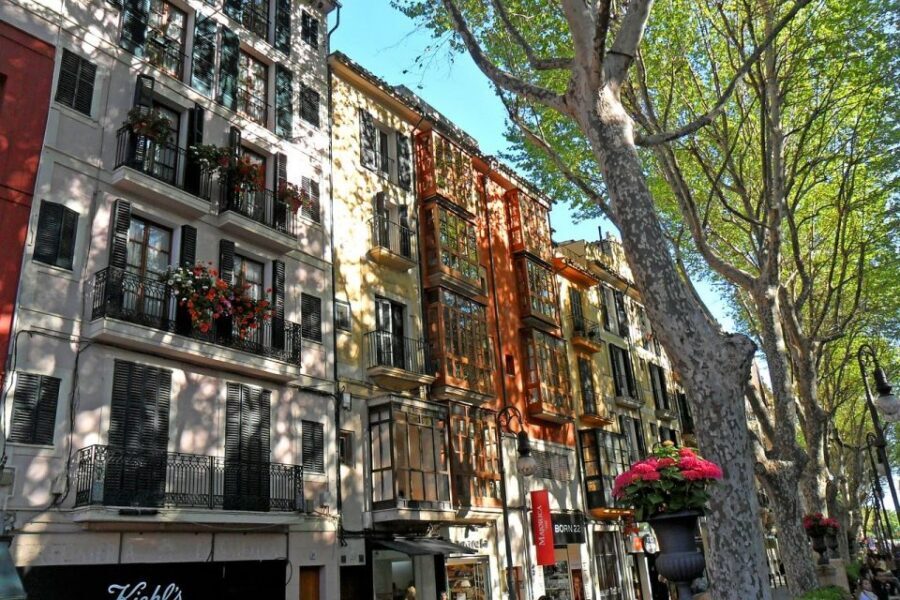
A standout stretch is the Paseo del Borne, described as romantic, and it earns that reputation when you understand what’s around it. You’ll see former aristocratic houses in this area, many now operating as 5-star hotels. That contrast is worth noticing: money and status moved here, and today tourism lives in those same shells.
After the Borne, the route climbs toward Palma’s upper city, where civic power gets more visible. You’ll see the historical town hall, the parliament, and the Almudaina Palace. This isn’t random sightseeing. The guide presents them as part of the same story that started near Parc de la Mar—where authority sat and how the city organized itself.
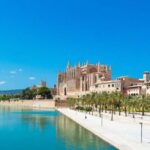
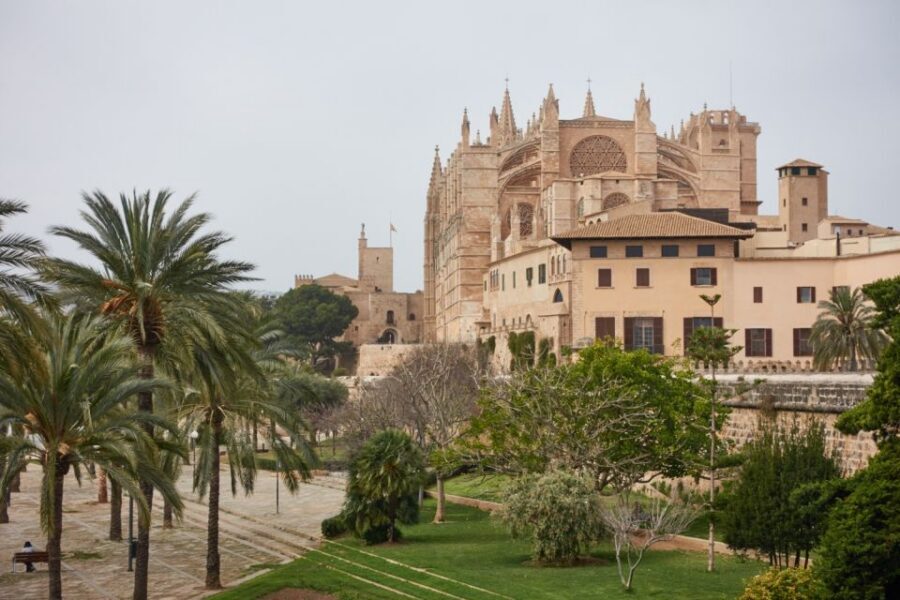
Finally, there’s a cathedral-focused payoff: you’ll enjoy impressive views of the cathedral and its layered history. Even if you don’t go inside, the perspective helps you understand scale and positioning in a way a quick photo won’t. You see how the cathedral anchors the old city rather than floating above it.
Mercat de l’Olivar: the Mediterranean flavors you’ll want to chase later
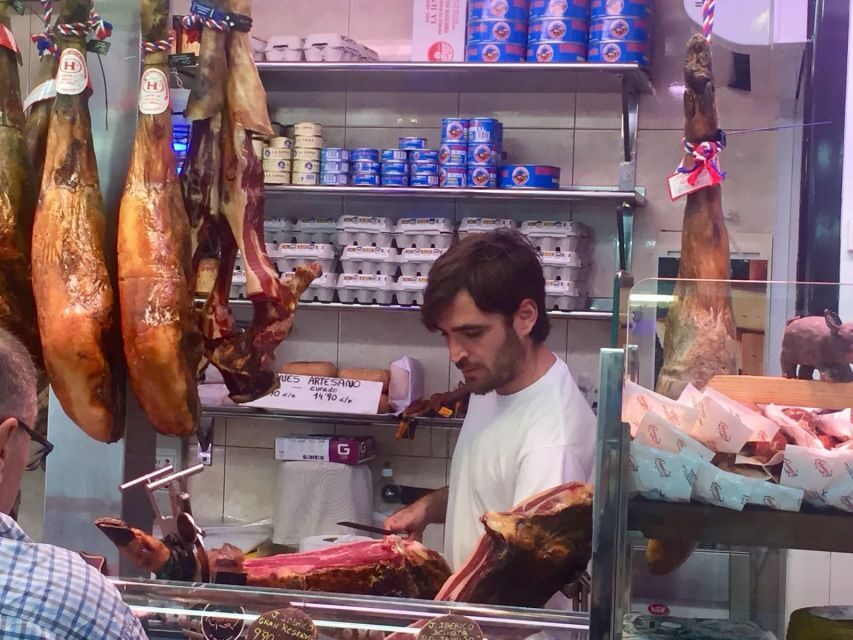
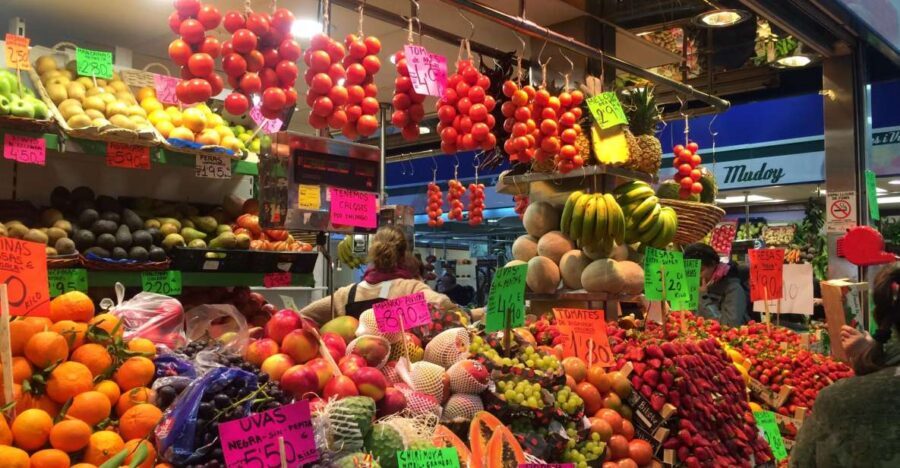
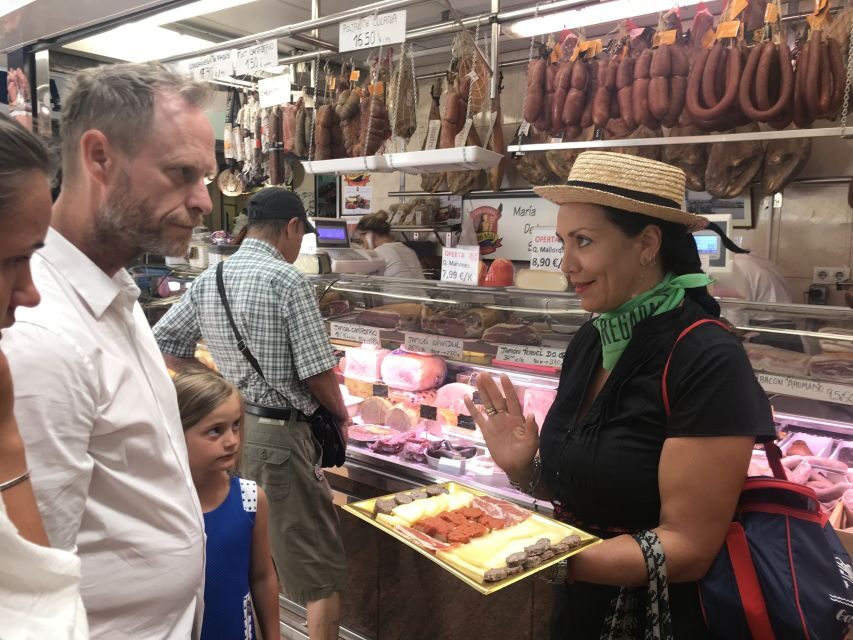
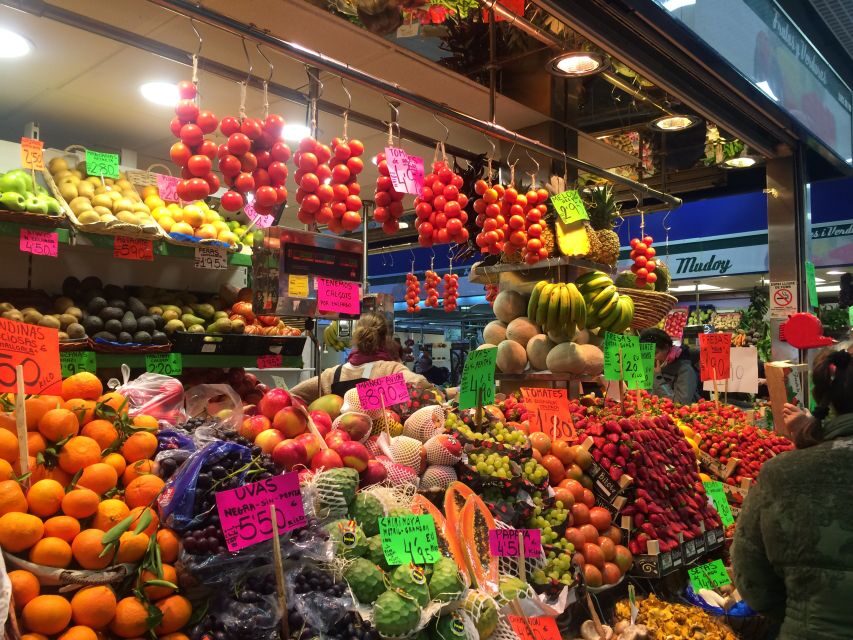
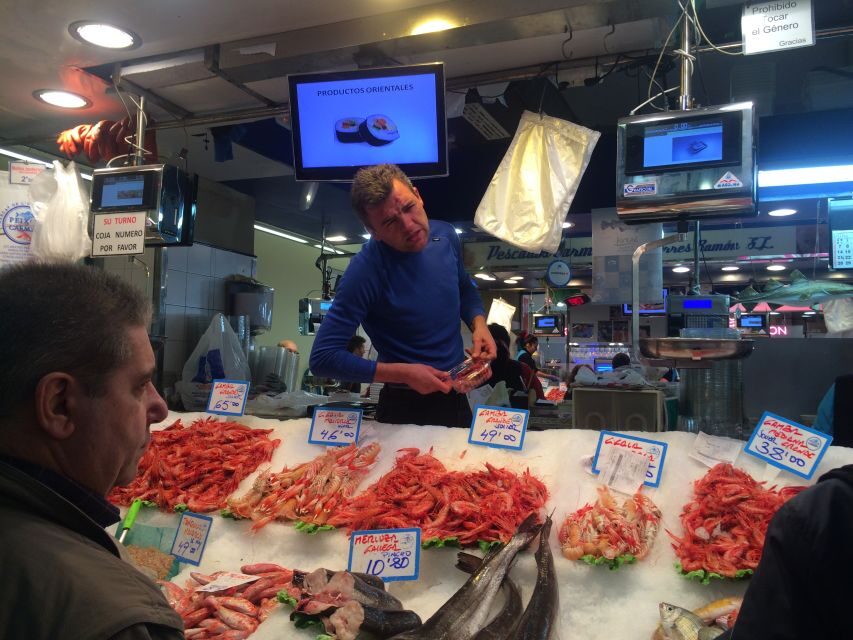
The walk ends at Mercat de l’Olivar, and this is the part that turns “nice story” into “I want to remember this taste.” The market is described as full of Mediterranean products, and the key is that you’re not just looking—you’re tasting a selection of local specialties.
This stop works for you because it links ingredients to identity. The guide explains what makes Mediterranean cuisine unique, and you’ll start connecting the dots between what’s sold in stalls and what shows up in local dishes. That’s the difference between a generic food tour and a food-and-history walk: you’re learning the reasons behind the flavors.
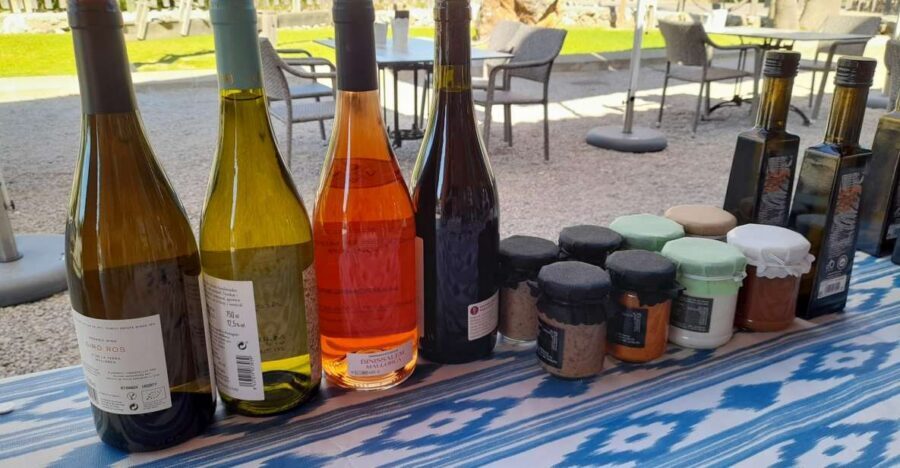
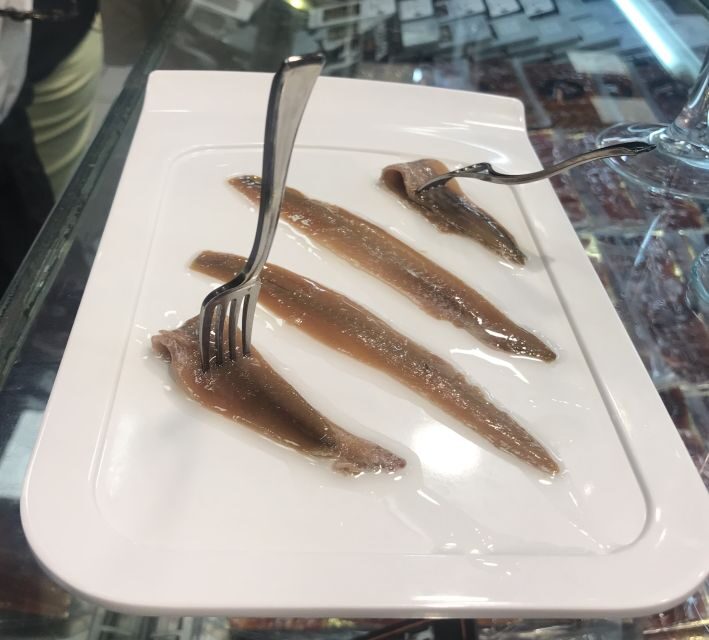
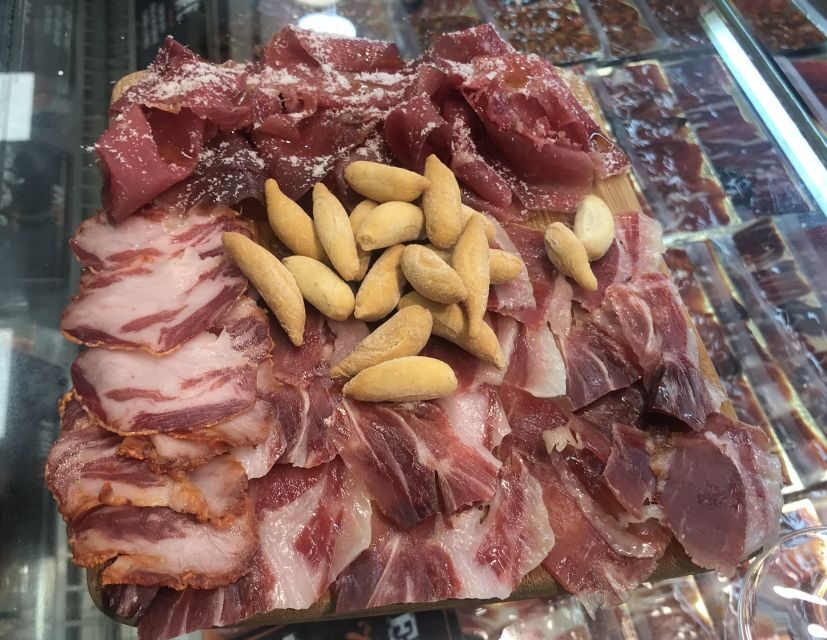
You might expect staples like cheeses and cured meats in the tasting range based on what’s been served on similar tours, and it’s very much the kind of selection that helps you understand the region’s everyday palate. Drinks aren’t listed as included, so if you want extra wine or other beverages, plan for that on your own.
If you like practical souvenirs, this is where the tour pays off. When you’ve tasted the market’s products and learned what to look for, you’ll have an easier time repeating the experience later—at home or on your next visit.

Price and value for a group up to 4 (and why the math matters)
The tour costs $347 per group for up to four people, running about 2.5 hours total. That price structure is actually the value angle here: you’re paying as a group, not per person, which can make it reasonable if you’re traveling with a partner or friends.
Here’s the simple math so you can judge fairly:
- If you fill all four spots, you’re effectively paying about $87 per person.
- If it’s just two of you, it’s closer to $173 per person.
What you get for that money is a guided old-city walk (with a strong history focus), a market visit, and a tasting. Entry fees aren’t included, and additional food or drinks aren’t included, so you’re not paying for every extra you might want. But the core experience—orientation through Palma’s key zones plus a structured tasting—is included.
One more detail that improves value: the tour is set up as a small-group experience with a live guide in German or English, and the route can be adapted to questions and interests. That flexibility is especially helpful when you care about either history depth or food details—rather than being pushed through a fixed script.
Who this Palma tour suits best
This is a great match if you’re:
- visiting Palma for the first time and want history + food in a single outing
- the kind of traveler who likes getting context for landmarks instead of only taking photos
- comfortable walking old-city streets for about 2 hours of guided time
It may not be ideal if:
- you need wheelchair access (it isn’t suitable for wheelchair users)
- you’re traveling with lots of baggage (no luggage or large bags)
Because the tour ends at a market, it also works well as a daytime plan. You’ll start with the big-picture story near Parc de la Mar and finish with something you can taste immediately, which makes the whole afternoon feel connected.
Should you book this Palma walking tour?
If you want a small-group, guide-led introduction to Palma that connects the cathedral area, the harbor’s trade story, and the upper-city power sites to real tasting at the market, I’d say yes. It’s especially worth it when you’ll actually use the tasting and not just wander through stalls.
I’d book it if you enjoy asking questions and like guides who can tailor pacing and answers—names like Maja and Stefan have been highlighted for that kind of attention. And if you’re willing to wear comfortable shoes and accept that you’ll be walking through uneven old streets, you’ll get a lot out of the route.
Skip it only if you strongly prefer minimal walking, need wheelchair access, or expect entry fees and extra drinks to be covered.
FAQ
How long is the Palma walking tour?
The total duration is 2.5 hours, including about 2 hours of guided walking.
Where does the tour start?
You meet at Lennox The Pub – Palma, near Avinguda d’Antoni Maura 22 (corner of Carrer de Vallseca).
What happens at Mercat de l’Olivar?
You’ll visit the marketplace and enjoy a tasting of selected local specialties, along with guidance on what makes Mediterranean cuisine unique.
What’s included in the price?
Included are the guided tour, informative guide, market visit, and a tasting.
Are entry fees included?
No. Entry fees are not included.
What about drinks and extra food?
Additional food and drinks beyond the tasting are not included.
Is it wheelchair accessible?
No. The tour is not suitable for wheelchair users.
What should I bring?
Bring comfortable shoes. The route involves walking through Palma’s old streets.
Is luggage allowed?
No. Luggage or large bags are not allowed.