REVIEW · MALLORCA
Mallorca : Miró Foundation Entrance Ticket
Book on GetYourGuide →Operated by FUNDACIÓ MIRÓ MALLORCA · Bookable on GetYourGuide
Miró’s art feels personal here. I love the Sert Studio—light, simple, and exactly the kind of room an artist would want—and I also enjoyed the sculpture garden stroll. One drawback to note up front: Son Boter is closed for restoration, so you won’t see every studio space.
This is a straightforward, art-focused visit: you tour the house-studio areas where Miró lived and worked for nearly 30 years, then you move through the collection with help from local art experts. The foundation’s architecture keeps things minimal, so the works and working spaces do the talking.
Before you go, check what’s open. Some areas can close for exhibitions or setup, and that can make the visit feel smaller than you hoped—especially if you’re coming during the quiet season.
In This Review
- Key things I’d clock before you buy
- Entering Joan Miró’s Mallorca Foundation: what the ticket actually buys
- The main house and studios: seeing art where it was made
- Sert Studio: the minimalist room that makes Miró’s process click
- Son Boter’s closure: the one change that affects every plan
- Sculpture garden: slow steps, stronger connections
- The foundation’s architecture: why the setting is part of the experience
- Price and value: is $11 worth it?
- When your visit day has extra closures, here’s how to handle it
- Accessibility and timing: how to avoid the last-minute scramble
- Who should book this Miró Foundation ticket
- Should you book the Miró Foundation entrance ticket?
- FAQ
- How much does the Mallorca Miró Foundation entrance ticket cost?
- How long is the experience?
- What does the ticket include?
- Is Son Boter open right now?
- What can I see during the visit?
- Are drinks or food included?
- Is the museum wheelchair accessible?
- Are there free entry options on certain days?
- Are there any special closures for exhibitions?
- When do I need to plan my last entry before closing?
Key things I’d clock before you buy
- Sert Studio’s interior: minimalist, bright, and built for how Miró worked
- Miró’s working life in one circuit: house and studios tied to almost 30 years of making art
- Son Boter is currently shut: plan around a missing second studio
- Charcoal graffiti is part of the story: it exists at Son Boter, which is closed right now
- Sculpture garden time: a relaxed way to connect paintings and three-dimensional works
Entering Joan Miró’s Mallorca Foundation: what the ticket actually buys
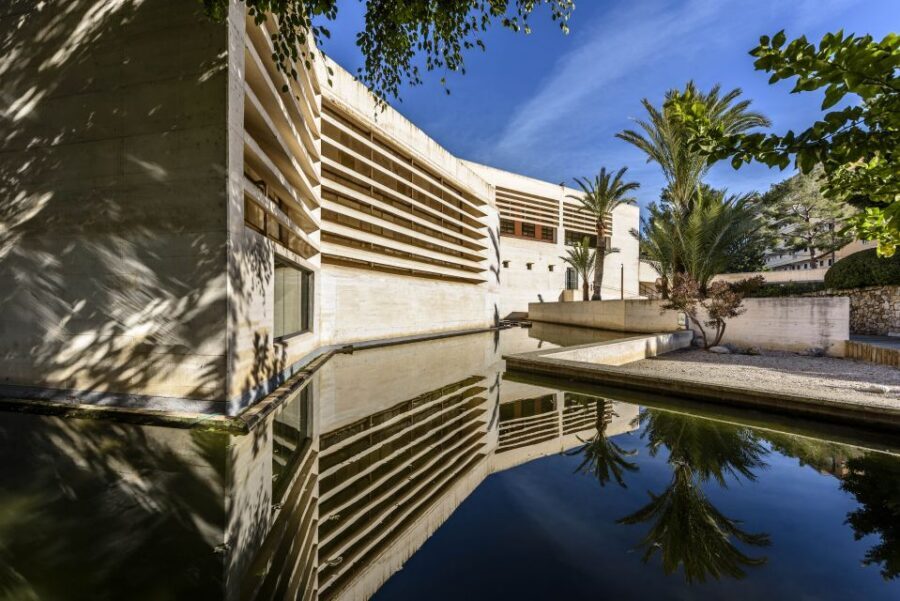
This ticket is for the Fundació Miró Mallorca entry, valid for 1 day. It’s priced at about $11 per person, which is the kind of cost that can still feel fair even if you spend only part of the day inside.
What makes this foundation worth your time is how it’s organized around Miró’s life, not just around art on walls. You’re not only looking at finished masterworks—you’re walking through the spaces where the creative process happened. Even if you’re not a die-hard art person, the working-studio feel tends to pull you in fast.
You should also know one thing that affects most decisions here: you’re visiting a living museum that changes. When parts are closed for restoration or exhibitions, the experience can shrink. I like the foundation enough to recommend it, but I also think you should go in with eyes open.
You can also read our reviews of more tours and experiences in Mallorca


The main house and studios: seeing art where it was made
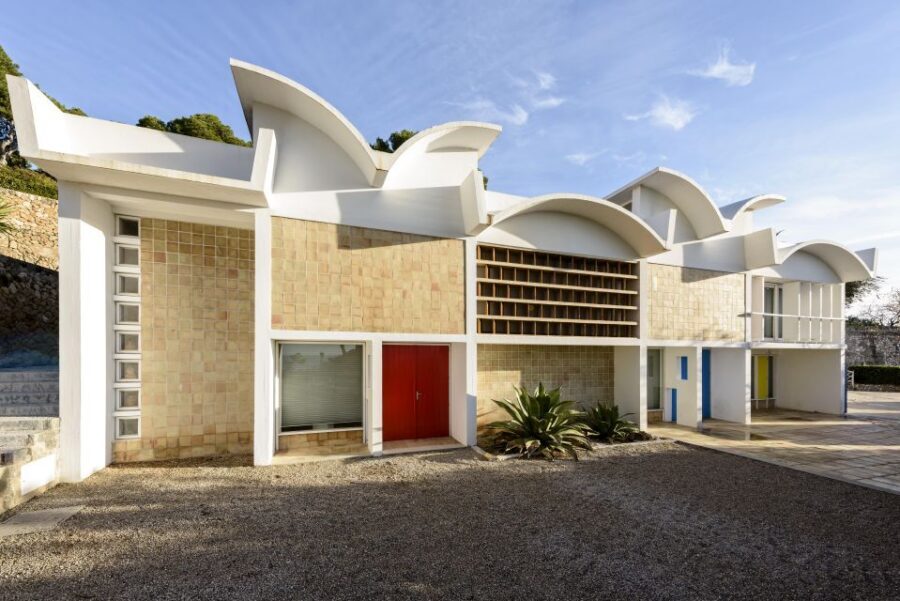
The core of the visit is the home-and-studio setup where Miró lived and worked for nearly 30 years. Expect to see major paintings and striking sculptures, guided by local art experts who help you connect the works to Miró’s creative choices.
Here’s why that matters in real life: when art sits in an artist’s workspace, your brain stops treating it like an object and starts treating it like a result of habits, tools, and time. You’ll likely notice details in the compositions and forms that you might overlook in a standard gallery.
The experience is also designed to keep you moving at an easy museum pace. That’s handy when you’re on vacation and don’t want your afternoon to feel like a sprint.
Sert Studio: the minimalist room that makes Miró’s process click
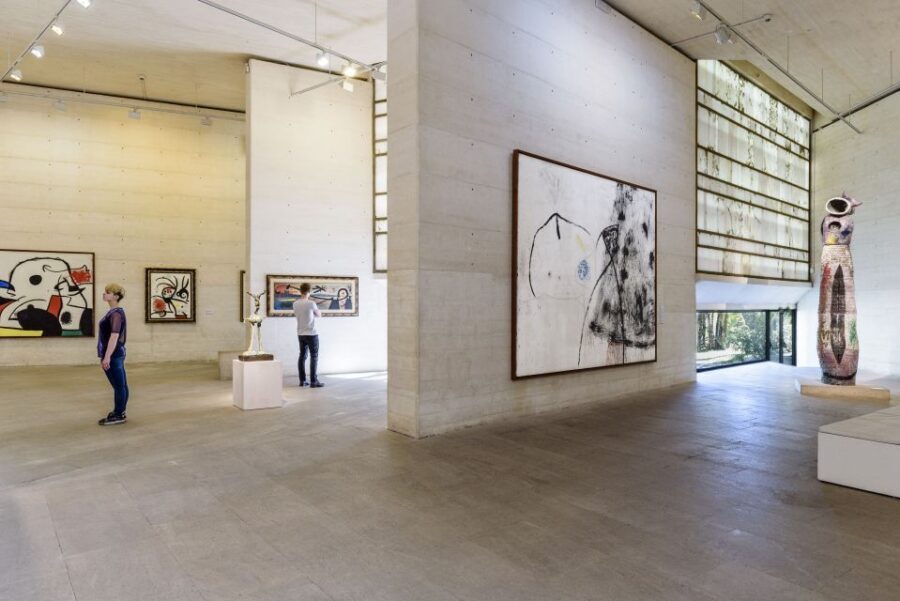
One of the highlights is the famous Sert Studio, described as having a light, minimalist interior. This is the kind of space where the room itself helps you understand the art—clean lines, controlled atmosphere, and a sense that the work grew out of a real working routine.
If you like art that feels physical—brush habits, studio decisions, material thinking—this stop usually lands well. Even if you only spend a short time in the studio rooms, the contrast between calm architecture and the intensity of Miró’s art can be striking.
And because the interior is described as minimalist, it tends to be easier on your eyes than museums that bombard you with wall-to-wall intensity. You get breaks for your attention.
Son Boter’s closure: the one change that affects every plan
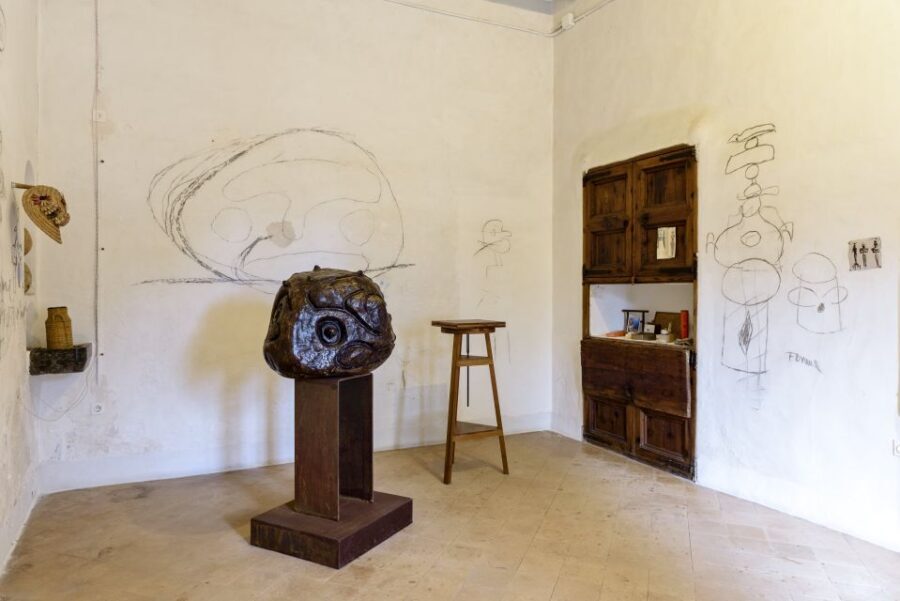
The foundation has another studio on the property: Son Boter. It’s specifically noted as closed to the public until further notice due to restoration works.
That matters because Son Boter is also described as a space with walls covered in charcoal graffiti by the artist’s own hand. In other words, it’s not just a room you’d pass through. It’s the kind of personal, hands-on connection people remember.
So what should you do? Don’t build your entire visit around Son Boter. If you’ve been dreaming of that specific studio, treat this ticket as a “Miró Foundation now” visit, not a “see everything every time” visit.
Sculpture garden: slow steps, stronger connections
After the indoor rooms, you’ll have time for the sculpture garden. This is one of the easiest ways to refresh your eyes and keep the visit from feeling too formal. Seeing sculptures outside helps you understand shape and scale in a way indoor display can’t always deliver.
It’s also a nice pace change. When I’m choosing art days, I prefer an experience that includes a human-scale walk. The garden does that job without turning the afternoon into a long hike.
If you want a simple break, there’s also a cafe on site where you can pause for a drink. That matters if you’re combining this with other stops on Mallorca and you don’t want your day to crash midway through.





The foundation’s architecture: why the setting is part of the experience
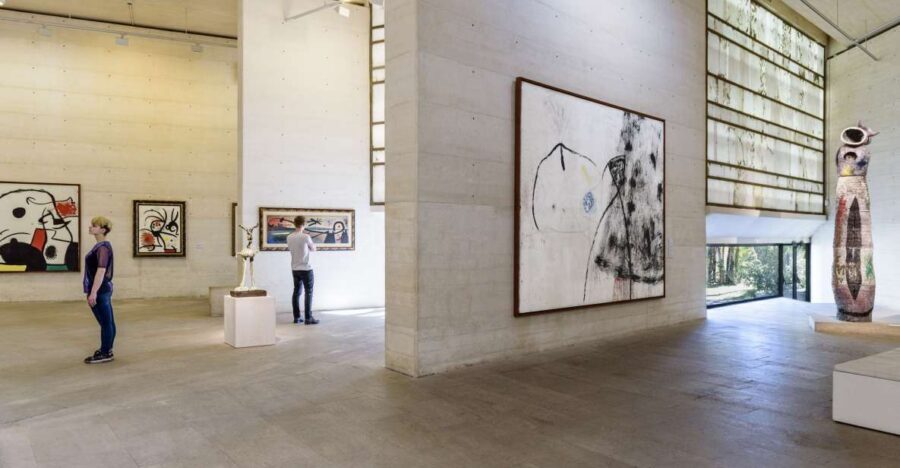
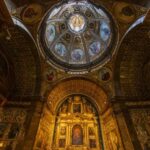
The museum is described as a Mallorca institution with standout architecture. You’ll notice it most in how the spaces guide you—light, room flow, and the relationship between interiors and outdoor areas.
This is one of those understated advantages. When the building is designed well, you feel less lost and more like you’re following an intentional path. That’s especially helpful if you’re visiting on your own and don’t want to do heavy planning.
Also, the architecture supports the overall tone: a museum that feels designed for looking closely, not for racing through Instagram moments.
Price and value: is $11 worth it?
At about $11 per person, the price is low enough that you don’t have to force it to “justify itself.” For many art lovers, that’s an easy yes.
But here’s the balanced angle: the foundation experience depends on what’s open. Some recent bookings complained about areas being shut (for example, the exhibition situation changing around certain dates). If a big portion of galleries is closed during your visit window, the value can feel worse even if the ticket price is still modest.
My advice: treat the $11 as a strong baseline value, then check the open-status for your date range. That one step protects you from the frustrating version of the visit—where you paid to come and then find the museum feels smaller than you expected.
When your visit day has extra closures, here’s how to handle it
The details you were given include a few specific closure notes. From 13.01 to 11.02, the Sala Estrella will be closed for assembly of a new exhibition. And because Son Boter is closed right now, you should expect that the “second studio” portion of the story is missing.
So how do you keep the day enjoyable anyway?
- Focus on the spaces that remain open and on the works shown in those rooms.
- Plan to spend extra time in the studio sections that are available, since those are still the core of the experience.
- Leave room for the sculpture garden and the cafe break so the day doesn’t feel like you’re only “waiting for what’s closed.”
This approach keeps your expectations realistic, and it turns a partial visit into a solid one.
Accessibility and timing: how to avoid the last-minute scramble
The site is listed as wheelchair accessible, which is great if you need step-free options. If you have a disability and want a special rate, the guidance is to purchase those tickets directly at the entrance of the museum.
Timing matters because entry isn’t unlimited. The last visit is 45 minutes before closing, and eviction begins 5 minutes prior to closing. That means you should not plan to arrive right at closing time and hope for the best.
If you like a calm pace, I’d aim to enter with enough buffer that you’re not making decisions while the clock is yelling.
Who should book this Miró Foundation ticket
This ticket is a good fit if you:
- love art that connects to the place where it was created
- want a focused Mallorca activity that’s mostly about looking, not shopping
- enjoy sculpture as much as painting
- appreciate a studio setting and architectural mood
It’s also a smart pick if you’re traveling with someone who thinks modern art is intimidating. Studio context helps. You’re shown the life and creative process, not only the end results.
If you only want the “full studio lineup,” do a quick check first because Son Boter is currently closed and Sala Estrella can close seasonally. In that case, you might still enjoy the visit, but the strongest parts may not all be available.
Should you book the Miró Foundation entrance ticket?
Yes, if you like studio-based art experiences and you’re okay with a slightly reduced lineup right now. The foundation’s strength is that it doesn’t feel like a random art box—it feels like Miró’s working world, especially in the Sert Studio and the sculpture garden.
Before you buy, do two quick checks: whether your date overlaps with any known closures (like Sala Estrella in early February range) and whether you were specifically counting on Son Boter. If Son Boter is a must, you may want to wait.
FAQ
How much does the Mallorca Miró Foundation entrance ticket cost?
The price is listed as $11 per person.
How long is the experience?
It’s listed as 1 day.
What does the ticket include?
The ticket includes entry to the Miró Mallorca Foundation.
Is Son Boter open right now?
No. Son Boter is closed to the public until further notice due to restoration works.
What can I see during the visit?
You can see the studios where Miró lived and worked for nearly 30 years (except Son Boter), the Sert Studio, and you can stroll in the sculpture garden.
Are drinks or food included?
No. Drinks or food are not included.
Is the museum wheelchair accessible?
Yes. The activity is listed as wheelchair accessible.
Are there free entry options on certain days?
Yes. The first Sunday of each month is free, and on Saturday you do not need to purchase an online ticket because the tour is free after 3 PM.
Are there any special closures for exhibitions?
Yes. From 13.01 to 11.02, the Sala Estrella will be closed for assembly of a new exhibition.
When do I need to plan my last entry before closing?
The last visit is 45 minutes before closing, and eviction will begin 5 minutes prior to closing.