REVIEW · MALLORCA
Mallorca: Discovering 5 Charming Villages of Mallorca
Book on GetYourGuide →Operated by Driveando · Bookable on GetYourGuide
Five villages, one inland story. This 5-hour Mallorca route threads through south-central backroads with expert local guides who turn windmills, legends, and everyday traditions into an easy narrative. I like that the guide can match your language, and Birgitta is fluent enough to swap between German and English without skipping a beat.
You’ll also like the food tastings and the way the stops are designed for full-on sensory learning. For self-drivers, the portable communication system helps you follow the plan calmly instead of playing catch-up.
The catch: you need your own car (unless you book the pickup option), and it’s not recommended for children under 6 or for people with limited mobility.
In This Review
- Key highlights worth your time
- Why Mallorca’s inland villages feel different (in a good way)
- Self-drive vs VIP pickup: how you’ll actually get around
- Windmills: the inland clue that ties five stops together
- Algaida: getting oriented in rural Mallorca
- Pina: stories that make the roads feel meaningful
- Lloret: the part of the day that rewards attention
- Montuïri: culture and gastronomy in the south-central interior
- Randa and the Cura Monastery finish: a strong closing chapter
- The 3 tastings: what the price really buys
- The guide is the whole engine: Birgitta’s multilingual advantage
- Timing and comfort: what to plan for on a 5-hour route
- Who should book this inland Mallorca route
- Should you book this inland Mallorca route?
- FAQ
- How long is the Mallorca villages tour?
- What villages and sites are included?
- Do I need my own car?
- Where does the self-drive tour start?
- Is pickup available if I don’t have a car?
- What’s included in the price?
- Is this tour suitable for children or people with mobility limits?
Key highlights worth your time
- Multilingual guiding with real energy, including guides like Birgitta who switch languages smoothly
- 3 Mallorcan tastings built into the route, not dumped at the end
- Self-drive friendly thanks to a portable radio system between cars
- Windmills and inland legends explained in context as you travel
- A finish at the Monasterio de Cura, with an entry setup that helps you skip the line
Why Mallorca’s inland villages feel different (in a good way)
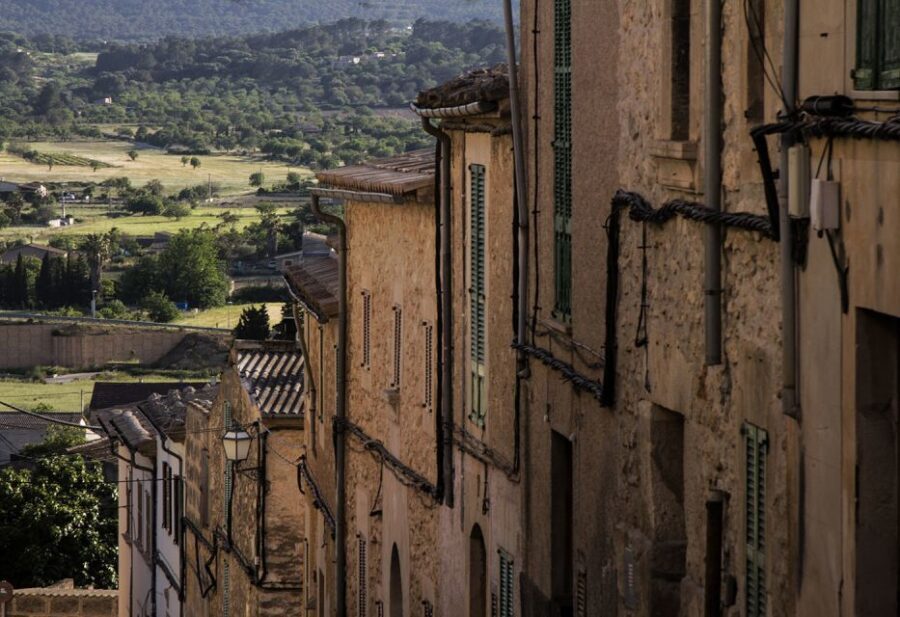
Most Mallorca trips focus on coastlines and postcard towns. This one stays inland, in the south-central area where you get a slower rhythm and more of the island’s everyday culture. You drive about 60 km over roughly five hours, so it feels like a day with momentum, not a long haul.
The big idea is that you’re not just ticking off villages. You’re getting a story that connects windmills, local history, and how people lived here long before mass tourism. The tastings are part of that story, so food isn’t an afterthought.
You can also read our reviews of more tours and experiences in Mallorca.
Self-drive vs VIP pickup: how you’ll actually get around
You have two workable ways to do this tour: drive your own car or choose the VIP-Trip service with pickup and drop-off. The tour is set up for people who can manage small inland roads and short walking stretches, so planning matters.
If you self-drive, the meeting point is the Repsol Son Oms petrol station. You’ll also get portable communication equipment, which is what lets your guide talk to you and lets you keep moving without constant regrouping. The goal is simple: you shouldn’t miss the “why this stop matters” part.
If you don’t want to drive, hotel pickup starts about 30 minutes before departure for guests in the south of the island. The day ends at Monasterio de Cura, which makes the itinerary feel like a loop rather than a backtrack.
Windmills: the inland clue that ties five stops together
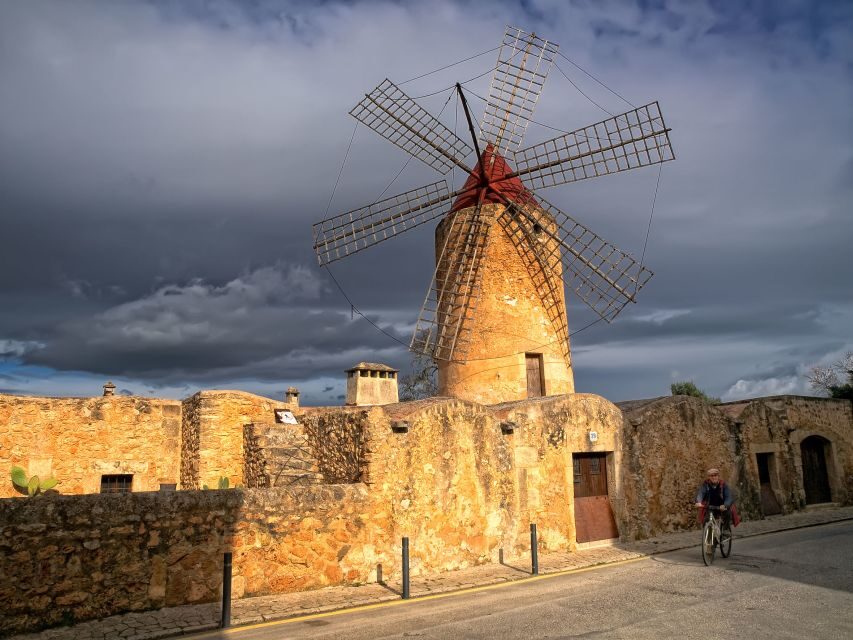
This route gives windmills a starring role. You’ll learn about their history and legends in a way that connects them to how the island’s countryside still looks and how locals think about land and work.
The practical payoff: when you see (or hear about) a windmill-related scene in each area, you’ll have context. Instead of treating them as random photo props, you’ll understand why they’re repeated in local stories and why they still matter.
It also helps that the tour is structured as short stops. The guide isn’t just talking while the car moves; there are moments where you can look around and absorb details, then move on.
Algaida: getting oriented in rural Mallorca
Algaida is the first village on the route, and it sets the tone for the day. Expect a guided look at the village’s character plus explanations of history and local legends tied to the place.
What I like about starting here: it helps you shift your mindset from “tour mode” to “island mode.” You’re learning how people interpret their surroundings—through culture, stories, and food—before the itinerary moves deeper into the countryside.
A consideration: since you’ll be on your feet for short stretches, comfortable shoes really matter. Inland villages can mean uneven ground and small walking areas, even when the walking time is brief.
Pina: stories that make the roads feel meaningful
After Algaida, Pina adds another layer to the day’s theme: how inland Mallorca developed its identity across different villages. You’ll continue with the guided approach—history, legends, and cultural context—so the route keeps feeling connected instead of separate visits.
This is also where the timing of the sensory stops shines. The tour is designed for short moments where you can pause, notice, and take in what the guide points out. It’s a better rhythm than rushing from one “must-see” to the next.
If you’re doing this on a hot day, plan to pace yourself. One of the reports I saw mentioned good air conditioning in the vehicle during a summer outing, which is a comfort when the route includes car time between villages.


Lloret: the part of the day that rewards attention
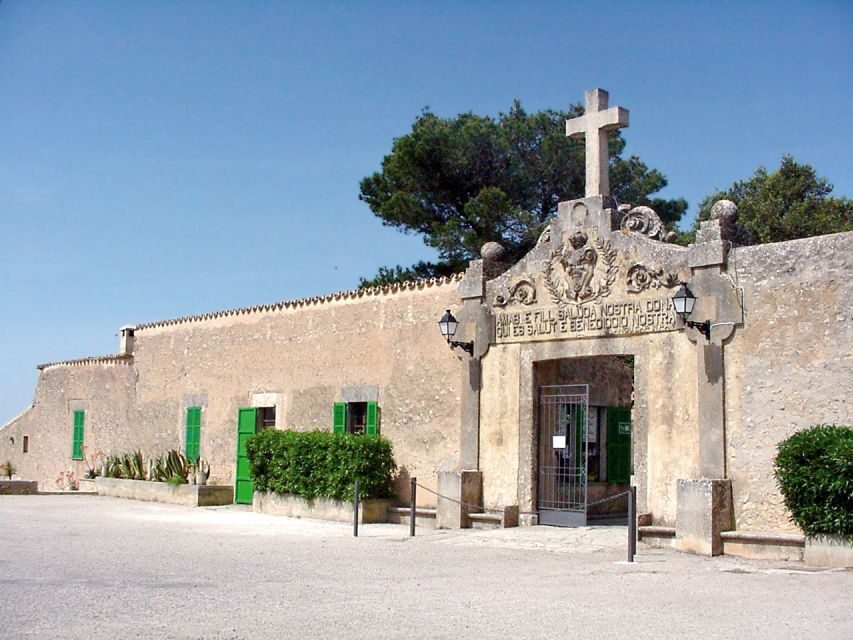
Lloret is the third village stop, and it tends to be the point where you start feeling the day’s “flow.” By now you’ve already learned the windmill and legend framing, so the guide’s village stories land with more meaning.
You’ll also keep getting those short, intentional pauses—so you’re not just watching the scenery pass by. The idea is to experience Mallorca with your senses: look, listen, smell, taste, and feel the place as you go.
Downside to watch for: this isn’t a stroller-friendly tour, and it also isn’t framed for reduced mobility. The itinerary is built for people who can stand and walk comfortably between stops.
Montuïri: culture and gastronomy in the south-central interior
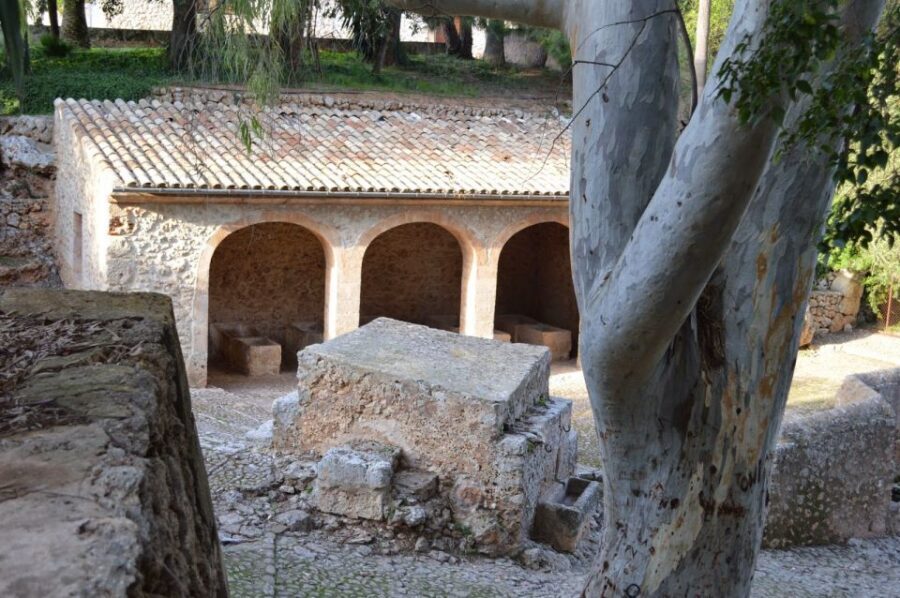
Montuïri is where the route leans hard into culture. You’ll get more history and legend talk, and you’ll likely feel the shift from earlier “get your bearings” energy to “now I understand what I’m seeing” energy.
This is also a good moment to be fully present for the tastings. The tour includes 3 food tastings total, and the guide’s explanations are meant to make those bites feel like part of local life rather than a random sample platter.
If you have dietary needs, you’ll want to ask in advance when you book. The tour data confirms tastings are included, but it doesn’t spell out options for allergies or vegetarian-only needs, so verifying details early is smart.
Randa and the Cura Monastery finish: a strong closing chapter
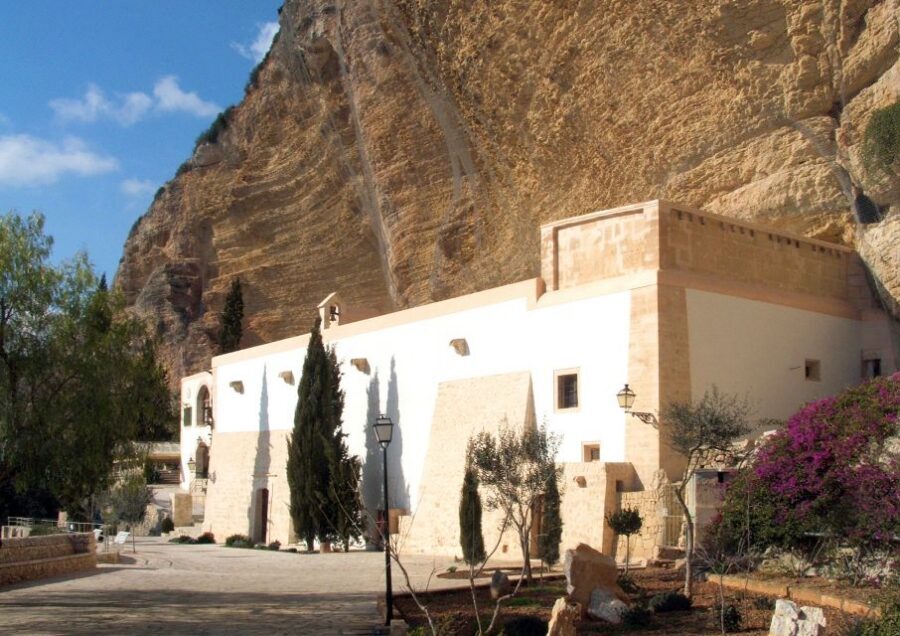
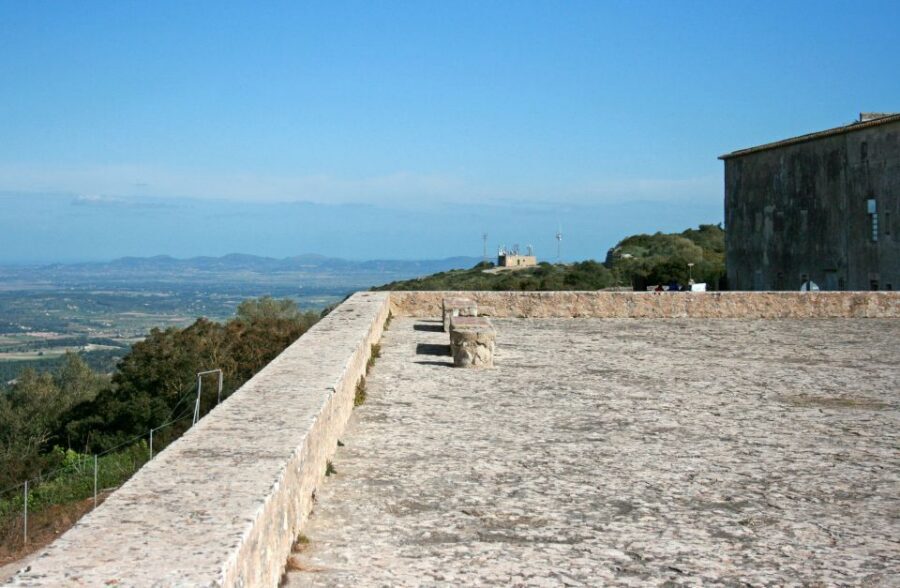
The day ends at Monasterio de Cura, with Randa as the last village stop before the monastery. This finish matters because it gives the stories a physical place to land.
Two practical perks are worth calling out here. First, you’ll have entrance handling that helps you skip the line through a separate entrance setup. Second, the tour ends at this location, which can make it easier to plan the rest of your day than returning the exact same way you started.
The emotional payoff is more intangible: you’re ending with history and faith sites after spending the whole day hearing about work, legends, and the island’s inland identity.
The 3 tastings: what the price really buys
$88 per person is only a real deal if the experience includes enough value beyond driving and scenery. In this case, you get more than a scenic route.
You’re paying for:
- A local expert guide who explains culture and history in an organized way
- 3 tastings of typical Mallorcan products
- Mineral water
- Entrance fees
- If you self-drive: portable radio communication so you don’t miss the stops
That’s a lot packed into a five-hour format. And tastings are often where guided tours either disappoint (too fast, too generic) or become the highlight (context + good pacing). Here, the tastings are built into the route with the guide’s storytelling, which is what makes them feel purposeful.
Tip before you go: pace yourself. With three tastings across the day, you’ll want a plan for the rest of your meals afterward. If you like to snack, you might find your appetite changes once the route’s sampling starts.
The guide is the whole engine: Birgitta’s multilingual advantage
The most praised element is the guide experience. In the feedback, Birgitta stands out for fluent communication and high energy. One review specifically called out her ability to swap between German and English seamlessly, and another highlighted her passion for Mallorca and how that passion translated into clear storytelling.
This matters because inland tours can get repetitive if the guide treats each village like a checklist. When the guide is strong, the day becomes a single coherent narrative: windmills → village legends → local traditions → food.
There’s also a human side. One account mentions that the guide was open to a spontaneous coffee stop. That kind of flexibility can turn a structured tour into something that feels less rigid and more like a conversation with local knowledge.
Timing and comfort: what to plan for on a 5-hour route
The tour runs about five hours. You’ll cover around 60 km through the central-southern part of the island, with stops along the way. That structure is good if you want inland Mallorca without committing to an all-day itinerary.
Wear comfortable shoes, because you’ll be getting out at each village and at the monastery. Also, plan for weather. Inland can be warm even when the coast feels milder, and you’ll spend time driving between stops.
Group comfort is another small detail. Even though the tour data doesn’t promise vehicle features like air conditioning, at least one report mentioned air conditioning during a hot August outing. On summer days, that’s the kind of practical detail you’ll appreciate if you’re sensitive to heat.
Who should book this inland Mallorca route
This tour is a strong fit if you:
- Want culture and gastronomy more than museum-only sightseeing
- Prefer small village stories over big-city history
- Can drive (self-drive) or can use hotel pickup (VIP option)
- Like tours where stops are paced for learning, not just photo time
It’s less of a fit if:
- You have limited mobility (the tour isn’t recommended for that)
- You’re traveling with kids under 6
- You want a fully independent driving day with no guided structure (this tour is built around the guide’s stops and tastings)
Should you book this inland Mallorca route?
Book it if you’re craving inland authenticity with a guide who makes the day feel connected. The combination of windmill history, village legends, and three guided tastings is exactly the kind of “why this place matters” experience that turns a driving tour into something memorable.
Skip it if you don’t want to drive, can’t walk comfortably between stops, or if your idea of Mallorca is strictly beach time. And if you’re sensitive to heat, plan your day with weather in mind.
If you’re the type of traveler who enjoys food with context and stories you can actually connect to what you’re seeing, this inland route is one of the more satisfying ways to spend a half day on Mallorca.
FAQ
How long is the Mallorca villages tour?
It lasts approximately 5 hours.
What villages and sites are included?
The itinerary includes Algaida, Pina, Lloret, Montuïri, and then Randa and the Cura Monastery.
Do I need my own car?
Yes, for the self-drive option you must have your own car or a rental car. There is also an optional pickup/drop-off service for guests without a car.
Where does the self-drive tour start?
The meeting point for self-drive is the Repsol Son Oms petrol station.
Is pickup available if I don’t have a car?
Yes. Hotel pickup is available for customers without a car in the south of the island, starting about 30 minutes before the tour begins.
What’s included in the price?
Included are a local expert guide, mineral water, entrance fees, 3 food tastings, and (for self-drive) portable communication equipment.
Is this tour suitable for children or people with mobility limits?
It is not recommended for children under 6 and is not recommended for people with mobility impairments. Comfortable shoes are recommended, too.