REVIEW · MALLORCA
Mallorca: Discover Scuba Diving from the beach
Book on GetYourGuide →Operated by Big Blue Diving Mallorca · Bookable on GetYourGuide
Scuba, straight off the beach in Mallorca. This is a beginner-friendly beach-first scuba tryout with a certified instructor keeping you close and calm, plus you get the full kit and a shallow underwater experience to about 2–3 meters. I love how the setup removes the usual hassle of getting to a boat and managing gear, and I also like the clear, step-by-step instructor guidance for first-timers. One possible drawback to plan for: it’s not a certification course, and underwater photo gear is not included.
You’ll spend just 2 hours doing short theory, shallow-water practice, then your first underwater swim from the shore. It’s run as a private group, with instructors who can teach in English, German, Italian, French, and Spanish, so you’re not stuck guessing during the safety steps. In one set of feedback, an instructor named Tim was called out for being extra attentive and friendly, which is exactly what you want on day one.
In This Review
- Key highlights worth your attention
- Scuba from the sand: what the 2-hour format really gives you
- Meeting point at the pier and getting geared up fast
- First you learn: short theory + shallow-water practice
- Your first underwater swim to 2–3 meters
- Equipment, insurance, and why this feels beginner-friendly
- Price and what you actually get for $130
- Who this suits (and who should skip it)
- Language matters: instructors in 5 languages
- Photo time, comfort, and small tips for a smoother session
- Should you book this beach intro scuba in Mallorca?
- FAQ
- What is the duration of this scuba experience?
- How deep do you go during the experience?
- Do I need previous scuba experience?
- What is the minimum age to join?
- Where do I meet the group?
- What languages are available for the instructor?
- What should I bring with me?
- Is this a certification course?
Key highlights worth your attention
- Beach entry: you go in from the shore, with the center right by the pier stairs.
- Shallow training first: short lessons, then hands-on practice in very shallow water.
- Full scuba equipment included: you don’t need to rent or hunt for anything before you go.
- Beginner depth range (2–3 m): designed for a relaxed first experience.
- Certified instructor-led: you’re guided step-by-step for safety and confidence.
- No certification outcome: it’s a one-off intro, not a ticket to dive licensing.
Scuba from the sand: what the 2-hour format really gives you
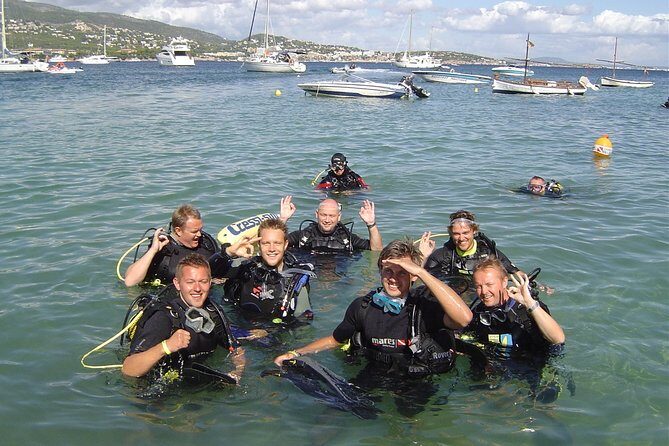
This experience is built around one simple idea: keep your first scuba moment stress-free. Instead of long transport and complicated logistics, the session starts right at the beach. You get a short introduction, then you move to shallow water where you practice the basics before going any farther underwater.
For you, that order matters. Your brain learns faster when you do the same skill twice—once with explanation, once with your feet able to find the bottom. That’s why the program keeps things low and controlled. Even if you’ve never used scuba gear, you’re not thrown in at the deep end.
The whole thing is designed to last about 2 hours, which is a sweet spot for many vacation schedules. You can fit it between beach time and dinner, without feeling like you lost half a day. It also helps that the group is private, so you’re not watching other people while you wait to learn your own gear setup.
You can also read our reviews of more scuba diving tours in Mallorca
Meeting point at the pier and getting geared up fast
Plan on making this a simple, low-friction outing. The meeting point is near the stairs leading down to the beach, and the scuba center is located right at the boat pier. That means you’re not trying to figure out where boats are loading or where the crew is hiding.
Once you’re at the beach, you’ll go through gearing up as part of the program, with full scuba equipment provided. Bring a towel and beachwear so you can change comfortably afterward. Sunscreen is smart too—there’s no point spending the session in the sun and then returning to a sunburn.
A small practical note: the gear fit and buddy checks are part of getting ready. If you care about photos, think about this timing. One piece of feedback specifically wished there was more time to take photos while in scuba gear before the underwater portion starts. That’s not guaranteed, but it’s a good reason to ask when your instructor sets expectations.
First you learn: short theory + shallow-water practice
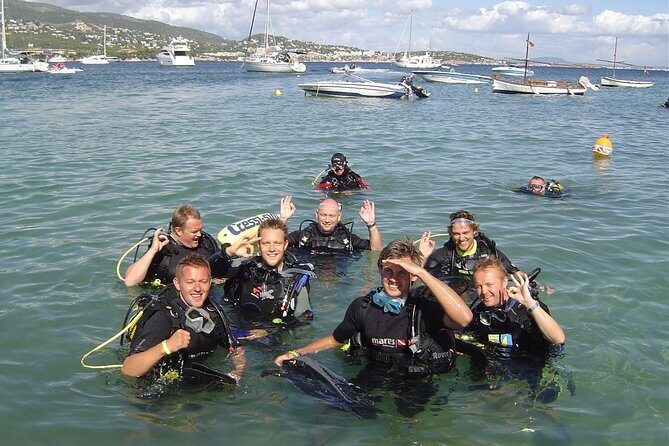
The session includes a short theoretical introduction, then practical training in shallow water. In plain terms, you’ll learn how scuba works in this exact setting—not just random facts. Expect the instructor to go through safety basics and how to handle your equipment before you head underwater.
Then you practice in shallow water. That’s the key. You can focus on breathing, staying calm, and using the gear correctly while still feeling stable. It’s the best way to reduce surprises on the actual underwater swim, because you’ve already done the movements with your feet near the bottom.
You need to be in good health and have general swimming skills, but you don’t need prior scuba experience. You’re also required to be at least 10 years old. There’s no certification attached to this experience, so you’re not being graded toward licensing. Instead, it’s all about safe familiarity.
Your first underwater swim to 2–3 meters
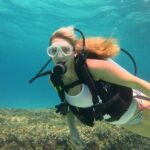
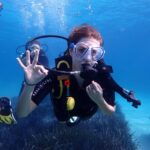
After theory and shallow practice, you’ll do your first underwater swim from the beach. Your guided experience takes you to a depth of about 2 to 3 meters, which is shallow enough to feel controlled and comfortable for most beginners.
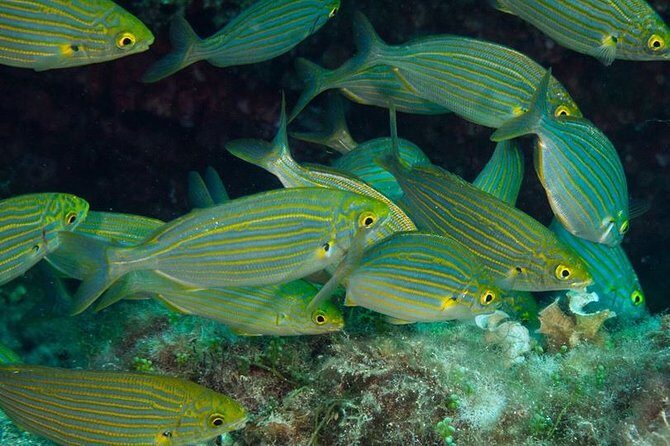
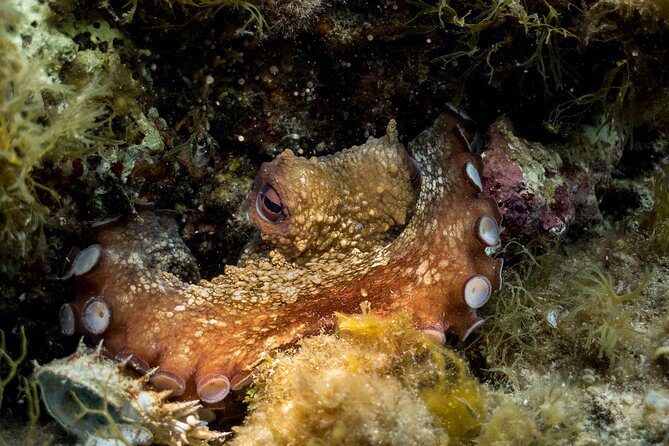
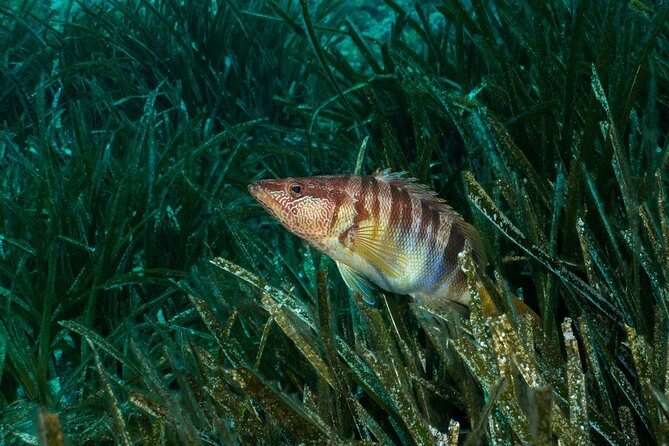
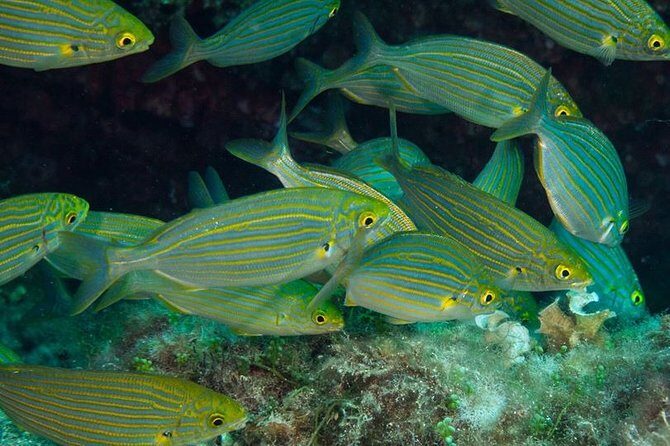
At this depth, you’re not chasing a performance goal. You’re watching. The whole point is to experience the fish up close and get that first real underwater feeling without needing advanced skills.
Depth also changes what you can see. Near the surface, light stays strong and visibility is often easier to manage. That’s helpful for first-timers who are still learning how to move calmly, equalize, and keep breathing steady.
The underwater portion is guided from start to finish, so you’re not left to figure things out alone. This is where having the right instructor style matters. In feedback, an instructor named Tim stood out for being friendly, kind, and consistently checking that the participant was okay. That kind of reassurance is more than “nice.” It helps you stay relaxed, which helps your whole body work with the gear instead of against it.
Equipment, insurance, and why this feels beginner-friendly
This program includes full scuba gear rental, plus diving insurance as part of what you pay. For $130, that’s a big piece of the value. Many first-timer activities look cheap until you realize you’ll pay separately for rental equipment, insurance, and instruction time. Here, those essentials are baked into the price.
The instructor-led structure also helps you feel safe. You’re not just handed equipment and told good luck. You get coaching and practical reps in shallow water so you can build confidence before you go under more intentionally.
Also, because it’s an introductory program, it’s not trying to turn you into a certified diver in one afternoon. You’ll leave with the experience and the comfort with basics, not the paperwork. If your goal is licensing, you can treat this as a first step to see if scuba is genuinely for you.
One more safety-centered detail to keep in mind: you must not fly for at least 24 hours after your underwater session. That’s an important health rule related to diving and air travel.





Price and what you actually get for $130
The cost is about $130 per person for a roughly 2-hour intro session. Is it a good deal? Usually, yes—if you compare it to the cost of instruction and gear rental elsewhere.
Here’s what you’re getting for that price:
- Short theory plus shallow-water training
- A final guided underwater swim from the beach
- Full equipment rental
- Scuba-related insurance
- A certified instructor (and a private-group format)
What’s not included:
- Accommodation and meals
- Underwater photo cameras (so plan to use your own camera setup if you have one)
So the real budgeting question for you isn’t just the $130. It’s also what you’ll need on the day: towel, sunscreen, beachwear, and ideally a light meal beforehand. If you eat afterward on a tight schedule, that can be a factor too.
In value terms, this is especially solid for first-timers who don’t want extra costs or complicated planning. If you already own your own scuba gear and you only need a quick practice, this might feel pricier. But most people don’t want that headache on vacation, and the included equipment + insurance is the point.
Who this suits (and who should skip it)
This experience has clear limits for good reason. It’s not a “try it even if you have no idea” activity. You need to be comfortable in water, and you need to be in good health.
Not suitable for:
- Children under 10
- Pregnant women
- People with claustrophobia
- People with heart problems
- Wheelchair users
- People with vertigo
- Non-swimmers
- People over 65
- People with a cold
- People over 331 lbs (150 kg)
- People with pre-existing medical conditions
- People with high blood pressure
Also, good health is essential for scuba. If you’re over 60, or if you have any medical restrictions, you must present a valid scuba medical certificate.
For you, that means: if you’re unsure about eligibility, check your health situation early. Don’t wait until the day of. The program is designed for safe first exposure, not risk-taking.
Language matters: instructors in 5 languages
One of the most underrated parts of beginner scuba is communication. If you can’t understand the safety steps, you won’t feel relaxed—and relaxation is what makes scuba feel fun.
This program lists instructors who teach in:
- English
- German
- Italian
- French
- Spanish
In feedback, the French instruction was praised for being excellent and the monitor was described as very gentle and attentive. That lines up with what you should look for: someone who can explain calmly, then correct small things without making you panic.
If you’re traveling as a couple or family with mixed languages, private-group format helps too. You’re not stuck with a one-size-fits-all communication style.
Photo time, comfort, and small tips for a smoother session
Scuba gear can feel a little awkward at first, even when you’re doing everything right. So your best prep is comfort-focused.
Bring:
- A towel
- Sunscreen
- Beachwear
It’s also recommended to eat a light meal in advance. That’s helpful because you’ll be in a controlled breathing rhythm for part of the session and you don’t want an empty-stomach feeling.
Think about timing for photos. Gear looks cooler than you expect, and one comment specifically wished there was more time to take photos in scuba gear before the underwater part. You can’t assume extra time will be available, but you can ask politely when you’re getting fitted.
Finally, check your weather situation. If the weather is bad, the tour can be postponed. Also remember the practical safety rule: avoid flying for 24 hours after your session.
Should you book this beach intro scuba in Mallorca?
Book it if you want a first scuba experience that prioritizes comfort and coaching. The beach entry removes a lot of travel friction, the program stays shallow for first-timers, and you get full equipment plus insurance. For many people, that combination is the difference between a “bucket list check” and a “worth it” day.
Skip it if you know you won’t meet the health and suitability requirements, or if you’re over 65, have high blood pressure, significant medical conditions, vertigo, or claustrophobia. Also skip it if your real goal is a scuba certification—this is not that.
If you’re a beginner who wants clear instruction, this is a smart place to start. And if the name Tim has caught your eye from past feedback, that kind of attentive instructor care is exactly what you’re paying for.
FAQ
What is the duration of this scuba experience?
It lasts about 2 hours.
How deep do you go during the experience?
You go to approximately 2 to 3 meters.
Do I need previous scuba experience?
No. You don’t need prior experience, but you should know how to swim and you should be in good health.
What is the minimum age to join?
You must be at least 10 years old.
Where do I meet the group?
You walk down the stairs to the beach. The scuba center is located directly at the boat pier.
What languages are available for the instructor?
Instructors are available in English, German, Italian, French, and Spanish.
What should I bring with me?
Bring a towel, sunscreen, and beachwear. It’s also recommended to eat a light meal before you go.
Is this a certification course?
No. This is not a certification course and it does not lead to obtaining a diving certificate.