REVIEW · MALLORCA
Mallorca: Cova des Coloms Caving Trip with Hotel Transfer
Book on GetYourGuide →Operated by Experience Mallorca · Bookable on GetYourGuide
Swim through a living limestone maze. This half-day sea caving trip to Cova des Coloms is built around one standout moment: you’ll hike to the coast, suit up, and swim into natural pools inside the sea caves with a guide watching every step. I especially love the small-group feel (up to 10) and the safety-first vibe from guides like Patrick, Jose, and Nico, who keep you moving confidently. The only real drawback is it’s active: expect scrambling, a coastal walk, and chilly water.
One more thing I like: the tour is easy to plug into a Mallorca day because transfers are available from select hotels, or you’ll meet at Passeig Voramar 94. You don’t need caving experience, but you should be ready for a wet, physical adventure. And yes, if the sea is rough, the plan can shift to a different cave system for safety.
In This Review
- Key highlights you’ll care about
- Cova des Coloms: why this sea cave feels like a Mallorca must
- The 4-hour flow: pickup to hike to swim, without wasting your day
- 1) Hotel pickup or meet at Passeig Voramar 94
- 2) Gear check and a coastal walk (about 40 minutes)
- 3) Suit up: wetsuit, helmet, buoyancy aid, and water shoes
- 4) Swim out toward the cave entrance (about 300 meters)
- 5) Inside the cave: exploration time and guided scrambling
- 6) Return to shore, then back to transport
- Gear and safety: what’s provided, what you should bring, and what to expect
- Included safety and movement gear
- What you need to bring
- Cold water check
- Body requirements (the honest limits)
- The swim-and-cave moment: limestone views and the cliff jump option
- First: the sea swim out to the cave
- Then: cave entrance and first scramble
- The optional cliff jump
- Inside: formations you can’t fake
- When swells ruin the plan: alternative caves that still keep the magic
- Price and value: $88 for gear, insurance, and a true one-of-a-kind setting
- Who should book this Cova des Coloms sea caving trip
- A practical checklist so your day goes smoothly
- Should you book Cova des Coloms sea caving with hotel transfer?
Key highlights you’ll care about
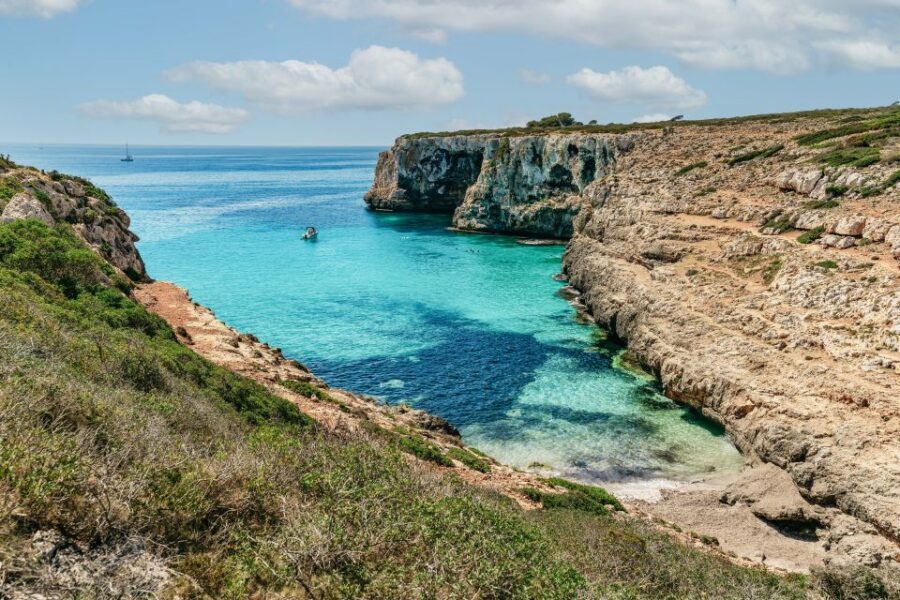
- You swim inside the cave pools rather than just looking from above, with a guided route through limestone formations.
- Safety gear is included: helmet, wetsuit, buoyancy aid, water shoes, and a light system for moving through cave spaces.
- Beginner-friendly, but active: a ~40-minute coastal walk plus climbing/scrambling in and around the cave.
- A cliff jump option shows up at the sea (often around a 4-meter jump), if you’re comfortable with it.
- Guides run the show with tight control; names you might get include Patrick, Jose, Nico, Mario, Sam, Aina, and Mika.
- Weather can change the sea-entry plan, with an alternative cave visited when swells make sea access unsafe.
Cova des Coloms: why this sea cave feels like a Mallorca must
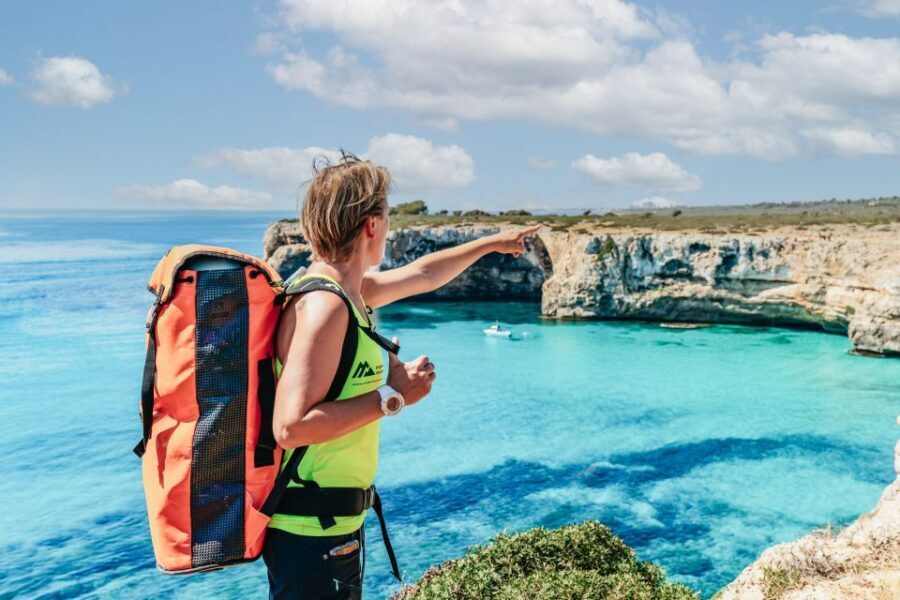
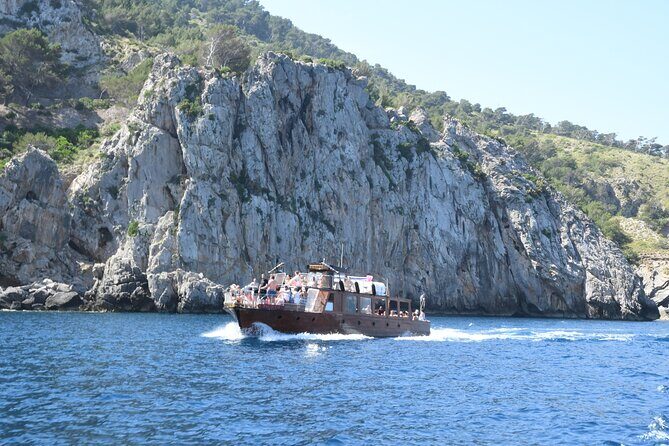
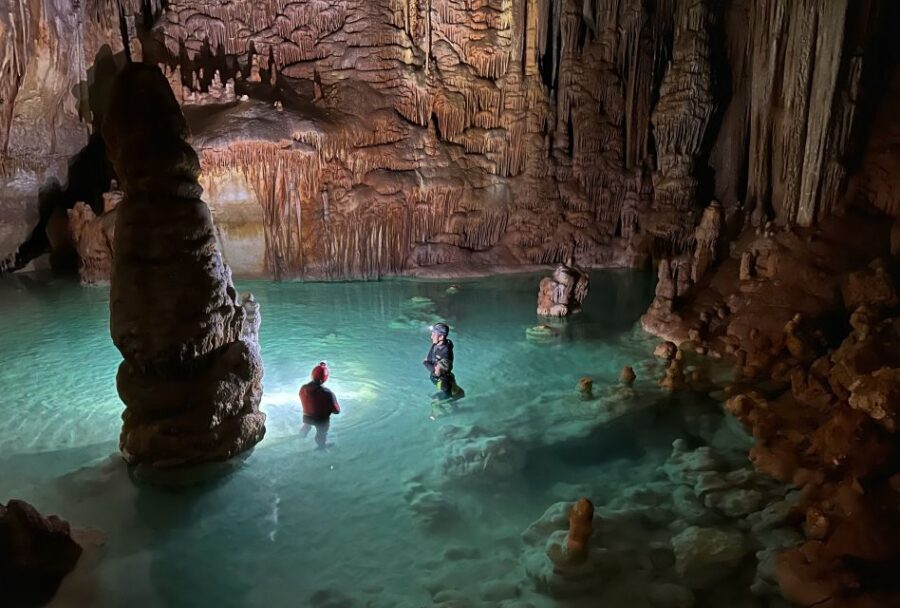
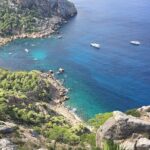
Mallorca has plenty of dramatic coastal scenery, but the Cova des Coloms caves add something rare: you’re not just touring a cave. You’re moving through a sea-cave environment that includes natural pools and passages where the limestone looks sculpted by time and water.
The big “why this works” is that the experience is designed to be approachable. You get full gear and a guide to coach your body through the steps. That matters because even when you don’t need serious caving experience, sea caves still demand attention—uneven footing, slimy patches, and narrow areas where you’ll need good balance and careful movement.
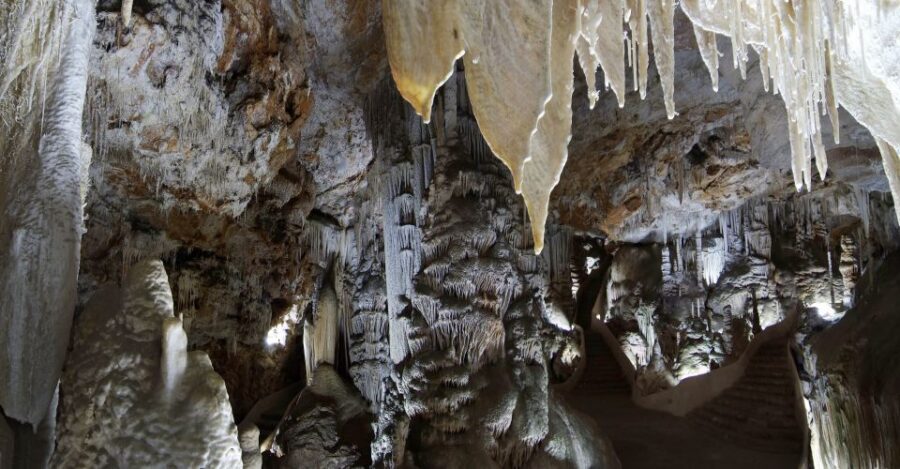
And the payoff is visual. Inside, you’ll see limestone formations that you can’t replicate with any museum photo. It’s the kind of scenery that makes you stop talking and just watch your surroundings for a minute. People also talk about how different the experience feels compared with other Mallorca caves because here the sea component is built into the route.
You can also read our reviews of more tours and experiences in Mallorca

The 4-hour flow: pickup to hike to swim, without wasting your day
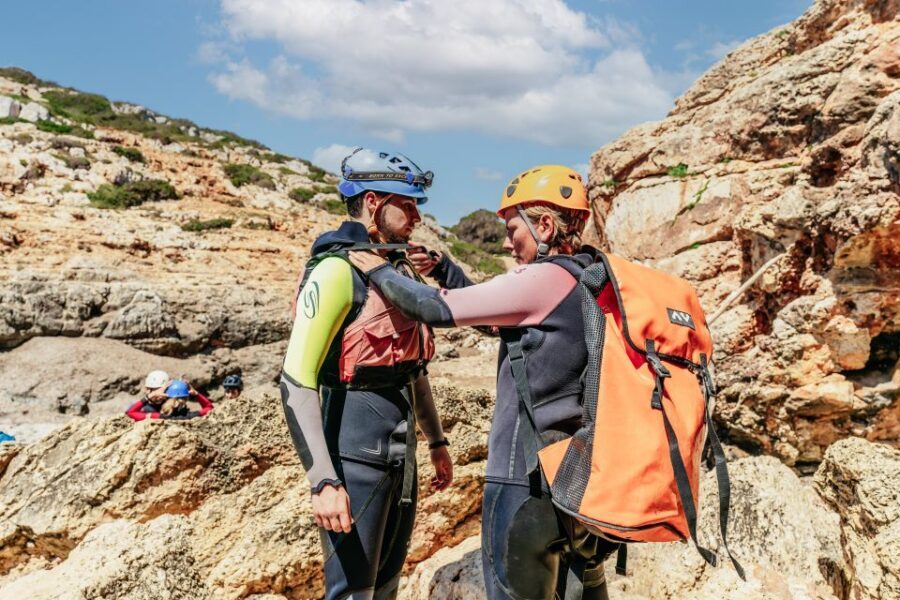
This is a half-day tour, and the pacing is pretty well thought out. Here’s the typical rhythm you should expect.
1) Hotel pickup or meet at Passeig Voramar 94
If your hotel is in the main coastal pickup zones, you’ll get round-trip transfer by minibus. If not, you’ll meet at Passeig Voramar, 94.
Why this matters: you lose less time fighting buses and parking lots and you start with energy. One small practical note from real-world feedback: the meeting area is more remote than you might expect, so if you’re going by your own car, plan for street parking and arrive early.
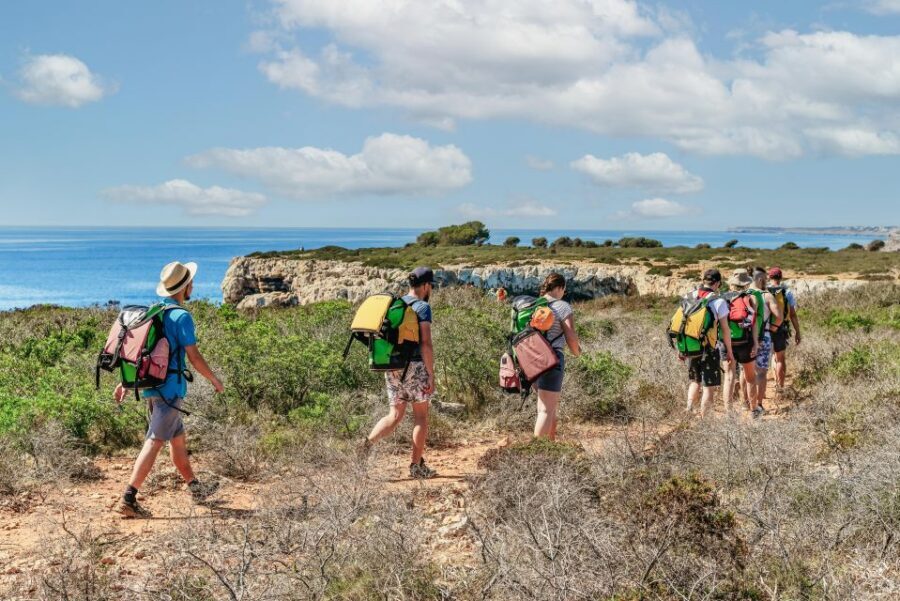
2) Gear check and a coastal walk (about 40 minutes)
Once you’re with the guide, you’ll be equipped and briefed. Then you’ll head out on a coastal walk of roughly 40 minutes.
This is not a gentle stroll. It’s a real walk with some physical effort, and you’ll want the right shoes. The tour requires sports shoes for the coastal part, and that rule is there for a reason: you’ll be moving over uneven ground before your wetsuit ever goes on.
Also, there’s limited shade in parts of the route, and it can get sweaty. I’d rather you show up slightly overdressed in the sense of being prepared than underprepared.
3) Suit up: wetsuit, helmet, buoyancy aid, and water shoes
At the sea area, you’ll get ready for the water section. Equipment included in the tour typically covers:
- wetsuit
- helmet
- buoyancy aid
- water shoes
- a light and other cave gear
The part to remember: you’ll carry what you need during the hike and you’ll treat small items like valuables carefully. One detail that came through in feedback: people often leave water bottles and belongings at the beach area, so use your judgment and keep anything irreplaceable out of the danger zone.



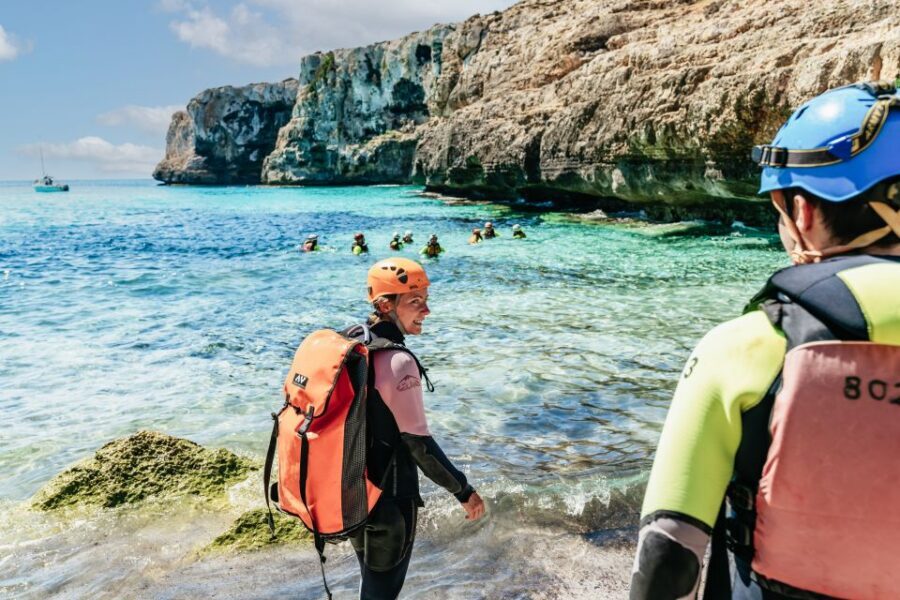
4) Swim out toward the cave entrance (about 300 meters)
From the swim point, it’s about 300 meters to the cave entry area. You’ll be guided, and you don’t have to be a trained swimmer to do it, but the route does require confidence in open water.
Important nuance: the tour description says you don’t have to go under the water, but some participants report needing brief underwater movement at the entrance (even if it’s only to a nose level). Either way, the guide’s coaching and safety supervision is the key.
5) Inside the cave: exploration time and guided scrambling
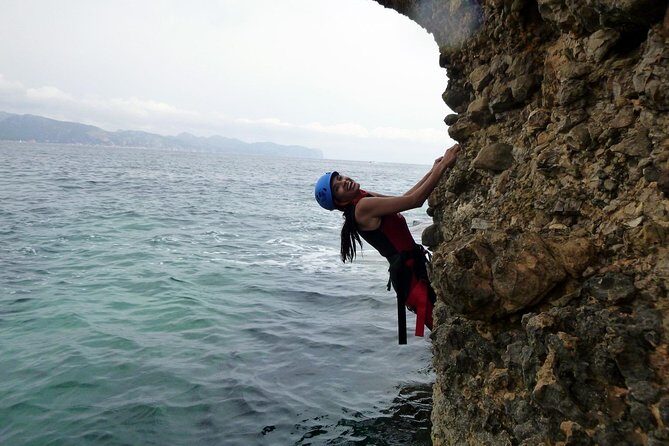
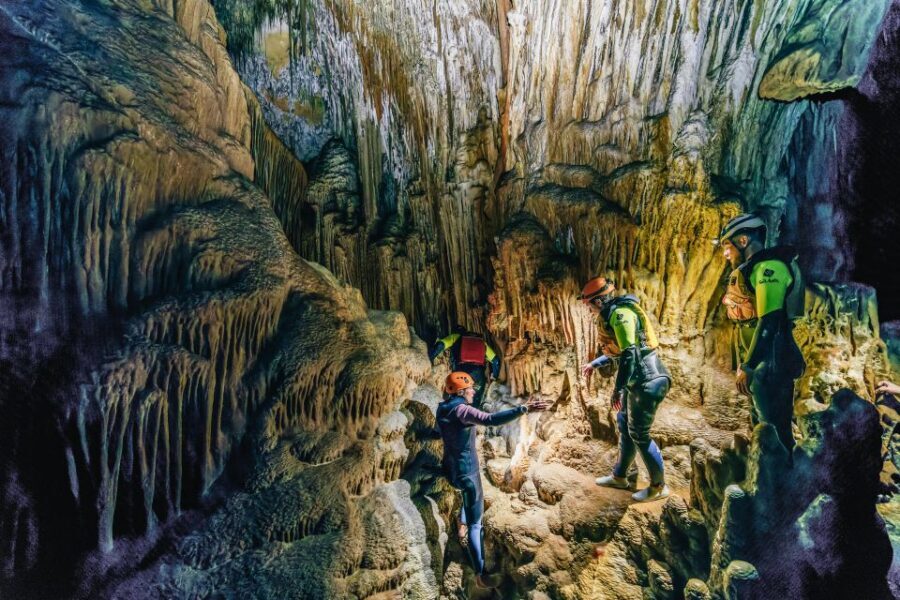
Inside, you’ll spend time moving around cave spaces—often described as climbing/scrambling over limestone and using guided technique for safe holds and footing.
This is where the “small group” format pays off. You’re not dodging a crowd. A guide can keep an eye on individuals and adjust the pace to the group.
6) Return to shore, then back to transport
After the cave section, you’ll swim back and do the reverse route to get back to the minibus or depart point.
Expect it to feel like a workout by the end—shorter than a full-day adventure, but not a sit-and-watch tour.
Gear and safety: what’s provided, what you should bring, and what to expect
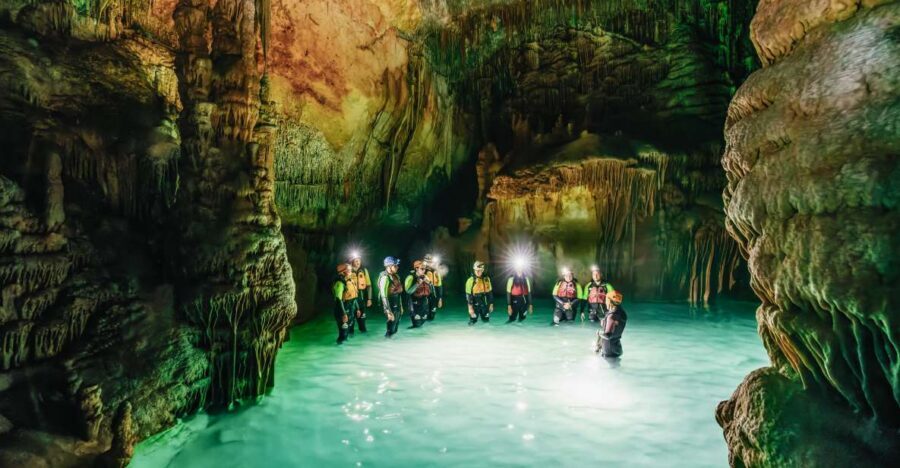
This is one of the best-run aspects of the experience. The tour includes safety equipment plus the essentials that keep sea caving realistic.
Included safety and movement gear
You should expect:
- helmet
- wetsuit
- buoyancy aid
- water shoes
- a light system for cave movement
- guidance and instruction throughout
The guides emphasize safety and group control, with repeated mentions of calm reassurance and clear direction during tricky climbing and uneven cave sections. People also highlight that guides keep the pace steady and watch spacing so no one gets left behind.
What you need to bring
At minimum, bring:
- comfortable shoes (you’ll need sports shoes for the coastal walk)
- swimwear
- sunscreen
- a minimum of 1.5 liters of water
- a snack
- any required medication
And if you care about photos, plan for a waterproof setup for your phone. Many participants recommend a waterproof phone case because the scenery is photo-worthy, but your hands will not stay dry.
Cold water check
Even if you’re in a wetsuit, sea caves can mean chilly water. One feedback detail put it around 17°C / under 50°F during the swim/cave sections. I’d rather you think of this as “cold but manageable” than “warm beach water.”
Body requirements (the honest limits)
The tour is not suitable for people with mobility impairments. It also has limits for heavier participants: not suitable over 110 kg (243 lbs). It’s also not for kids under 12.
If you can handle a 40-minute coastal walk, do some scrambling, and feel comfortable in water, you’re in the right lane.
The swim-and-cave moment: limestone views and the cliff jump option
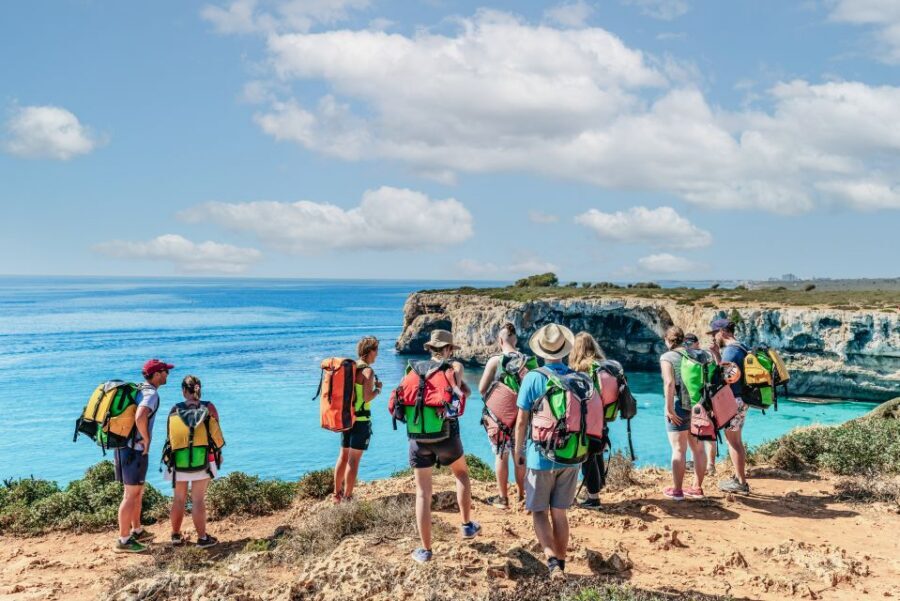
This is the heart of the experience. And it comes in layers, not just one trick.
First: the sea swim out to the cave
The swim is short enough to be adventurous without turning into a long-distance test. It’s also close enough that you see what’s ahead, which helps reduce the mental stress.
Guides help you with pacing and technique. The group moves together, and you’re not left guessing.
Then: cave entrance and first scramble
The entrance can feel intense in the moment because it’s part sea, part rock, and you’re moving into a natural system with tight sections. People mention that the cave is large once inside, which helps after the initial “oh wow” feeling.
As for underwater exposure: expect the guide’s instruction and safety boundaries, and be ready for at least brief face-near or nose-level underwater movement at the entrance if the route calls for it.
The optional cliff jump
At the sea area before the cave swim, many groups are given a choice to jump from a cliff into the water or swim in instead. One recurring detail is that the jump can be about 4 meters high.
This is optional, so it’s really there to let you decide if you want the extra adrenaline or just want the swim-and-cave experience. If you do jump, the whole system depends on listening carefully to your guide and moving when they tell you.
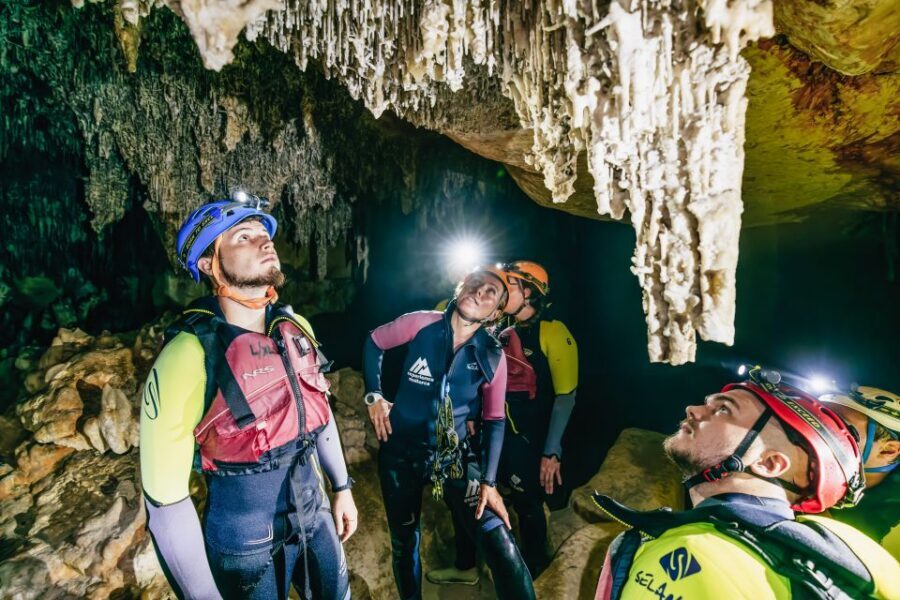
Inside: formations you can’t fake
Once you’re inside, you’ll see limestone formations shaped by water flow and time. The best descriptions aren’t technical; they’re emotional. People call it breathtaking and unforgettable because you’re surrounded by rock textures and natural shapes while moving through water-like cave spaces.
When swells ruin the plan: alternative caves that still keep the magic
Here’s a reality of sea caving: the sea decides the schedule.
The provider reserves the right to modify the activity when entering the sea caves poses a safety risk. When that happens, you may visit alternative caves that don’t require entering the sea. Reviews mention multiple days when the planned sea entry wasn’t possible due to swells or wind, but the guide still delivered a cave experience that kept the spirit of the trip.
So what you should take from this:
- It’s a water activity, so conditions matter.
- Guides handle safety decisions quickly.
- You should be flexible in your expectations on any specific day.
One guide mentioned by name—Patrick—was repeatedly praised for being safety-first and still keeping the experience rewarding even when the sea conditions forced a swap.
Price and value: $88 for gear, insurance, and a true one-of-a-kind setting
At $88 per person for about 4 hours, the headline value is not the duration—it’s what’s included.
You’re getting:
- a professional guide
- sea cave equipment (helmet, wetsuit, buoyancy aid, water shoes, and related gear)
- insurance
- hotel pickup and drop-off (from select areas)
- a small-group format (limited to 10)
That combination matters because sea caving is expensive in the way experiences get expensive: not just for the activity, but for the gear, the safety system, and the staffing. In other words, you’re paying for the ability to do something genuinely tricky without turning it into a DIY project.
If you were to rent gear, arrange transport, and find qualified safety oversight separately, the total typically climbs fast. This price keeps you focused on one thing: showing up ready to swim and explore.
Who should book this Cova des Coloms sea caving trip
This tour fits best if you want a hands-on outdoor adventure and you’re okay with active movement.
You’ll likely love it if:
- you’re comfortable in open water and can swim at least modest distances
- you want a beginner-friendly introduction to sea caves with real safety coaching
- you want natural limestone formations plus an actual cave swim moment
- you like the energy of small groups and guided pacing
You might think twice if:
- you hate cold water or aren’t comfortable with wet conditions
- you need a fully accessible route (this isn’t designed for mobility impairments)
- you’re traveling with kids under 12 (not permitted)
- you don’t want any climbing/scrambling elements
A practical checklist so your day goes smoothly
If you want fewer surprises, plan like this:
- Bring 1.5 liters of water and a snack. Don’t rely on a meal stop.
- Wear swimwear under your clothes and bring sunscreen.
- Pack a waterproof phone solution if you care about photos.
- Wear sports shoes for the coastal walk; don’t assume sandals will be fine.
- Leave valuables out of the situation. The tour notes valuables aren’t allowed.
- If you’re booking, you’ll be asked for height, weight, and shoe size so you get properly fitted for gear.
Small but helpful mindset: treat this as an adventure that includes getting wet and doing some careful climbing—not as a casual beach activity.
Should you book Cova des Coloms sea caving with hotel transfer?
I think this is a strong yes if you’re looking for something you can’t easily replicate back home: swimming into a natural sea-cave system and exploring limestone formations with serious safety support.
Book it if:
- you want a unique Mallorca experience that still feels beginner-friendly
- you’ll use the hotel transfer (it makes the day smoother)
- you’re okay with an active half-day and cold water
Skip it if:
- you need a fully accessible experience
- you’re not comfortable in water or you’re hoping for a low-effort tour
If you’re on the fence, lean toward booking—then show up with good shoes, water, a snack, and a waterproof photo plan. The cave moment is the kind you’ll remember when Mallorca’s sunsets start to blur together.