REVIEW · MALLORCA
Mallorca: Coasteering North
Book on GetYourGuide →Operated by MES AVENTURA · Bookable on GetYourGuide
Fear the water. Then love it. Coasteering North on Mallorca turns the rugged Alcúdia cliffs into a 3-hour action circuit with cliff jumps, sea caves, and slick rock moves. What makes it especially appealing is the mix of different challenges in one stretch of coastline, plus the steady, confidence-first coaching you get from a small team.
I really like how varied the route is: you get 8 different jumps into the sea, then a DWS/psicobloc crossing (climbing close to the water without a rope), and an ~8 meter rappel with marine tunnels along the way. The one big consideration: this activity is not for non-swimmers, and you’ll need to feel comfortable in open water before you’re allowed on the route.
Key points to know before you go
- Alcúdia cliffs setting: north Mallorca coastline with dramatic rock and clear water
- 8 sea jumps: each one a different height, so you can adjust as you go
- DWS/psicobloc traverse: climbing close to sea level without rope
- About an 8m rappel: controlled descent from the cliffs
- Marine tunnels: part of the route, if sea access allows
In This Review
- Where Coasteering North Starts at Carrer Fonoll in Alcúdia
- The 3-Hour Circuit: Cliff Jumps, Sea Caves, and Marine Tunnels
- How the 8 Sea Jumps Actually Feel (and Why Height Progression Matters)
- DWS and Psicobloc Traverse: Climbing Close to Sea Level Without a Rope
- The ~8-Meter Rappel: A Controlled Descent for People Who Like Structure
- What Makes Alcúdia Cliffs Special on a Summer Coasteering Day
- Safety First: High-Quality Gear and Guide Confidence
- Who Should Book This Coasteering North Tour (and Who Should Skip It)
- What to Bring: Simple Stuff That Makes the Day Easier
- Price and Value: Is $77 Worth 3 Hours of Coasteering?
- Practical Tips for Making the Most of Your Day
- Should You Book Coasteering North in Mallorca?
- FAQ
- Where do I meet for Coasteering North?
- How long is the Coasteering North experience?
- How big is the group?
- What activities are included?
- Are there any requirements about swimming?
- Do I need previous experience?
- Can I skip abseiling or jumping?
- What should I bring?
- Is alcohol allowed?
- What happens if sea conditions are unsafe?
Where Coasteering North Starts at Carrer Fonoll in Alcúdia
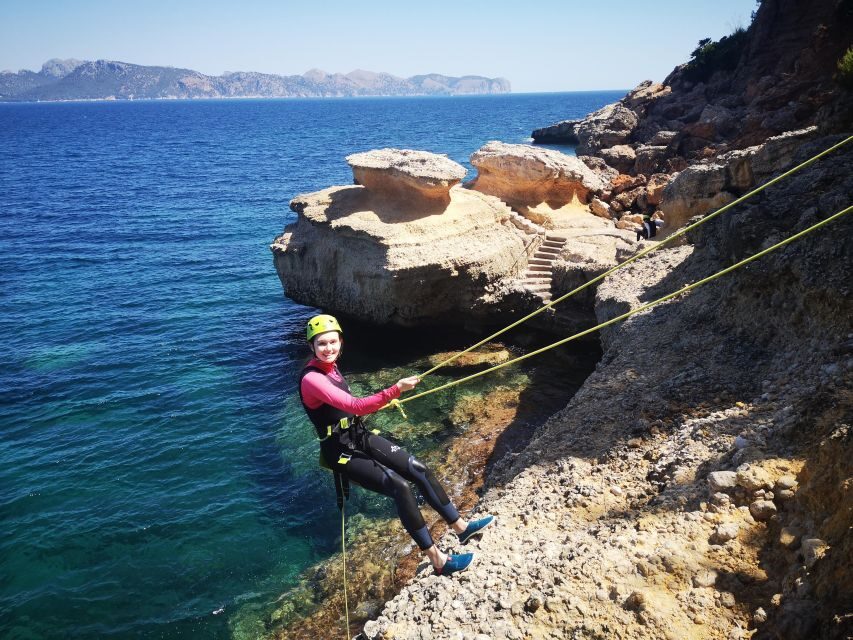
This coasteering circuit is based at the Alcúdia cliffs on Mallorca’s north side. You’ll meet at the parking area at Carrer Fonoll, 8, where your guide is waiting. From there, the day becomes a steady rhythm of moving along the coast, stopping for the next feature, and learning how to use the rock safely.
Because this is a small-group experience (limited to 10 participants), you’re not shuffled around like a production. You’ll typically get direct attention, which matters when you’re dealing with real height, real water, and real rock texture. The guides also run the instruction in Spanish and English, so you’re not stuck guessing what to do.
The 3-Hour Circuit: Cliff Jumps, Sea Caves, and Marine Tunnels
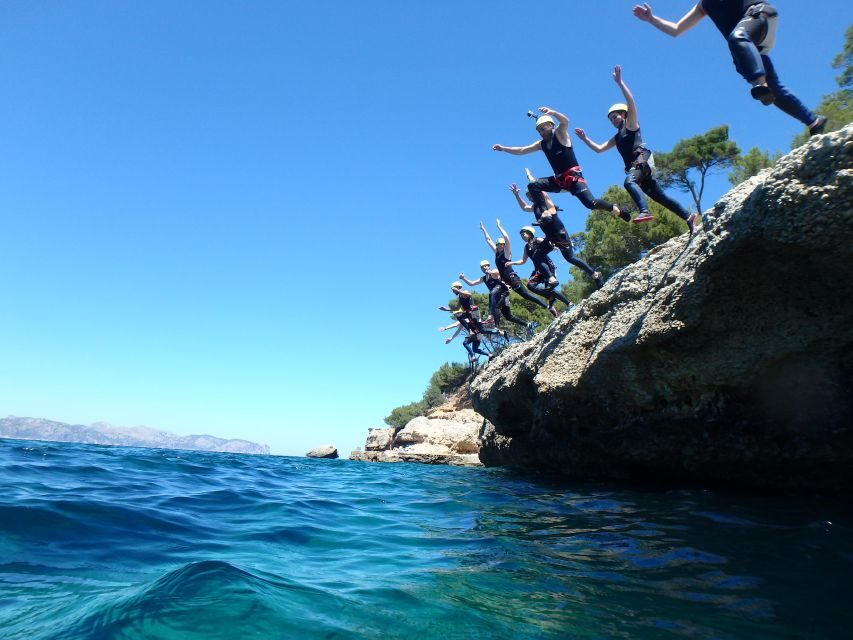
The core of the adventure is a coastal circuit that lasts about 3 hours. Even though the day has multiple activities, it’s designed like a flow—approach, gear and briefing, then one challenge after another. If you like variety, this is the kind of tour where you don’t feel like you spent the entire time waiting.
You can expect 8 jumps into the sea. They’re not all the same height, and the plan lists jumps ranging from about 2 to 7 meters, with each one different. That range is useful. It helps you build timing and body position as your confidence grows, rather than forcing you into one big jump and hoping for the best.
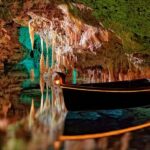
Between jumps, you’ll move through sections that include marine tunnels and other coastal features. The tunnels add something different from a simple cliff-jumping day. You’re watching your footing, reading the route, and using short bursts of movement to get to the next safe entry to the water.
A practical note: if conditions affect access, the guide can adjust the schedule or change the route. That’s not a loophole; it’s part of how safety works on a coast where the sea can change quickly.
You can also read our reviews of more tours and experiences in Mallorca.

How the 8 Sea Jumps Actually Feel (and Why Height Progression Matters)
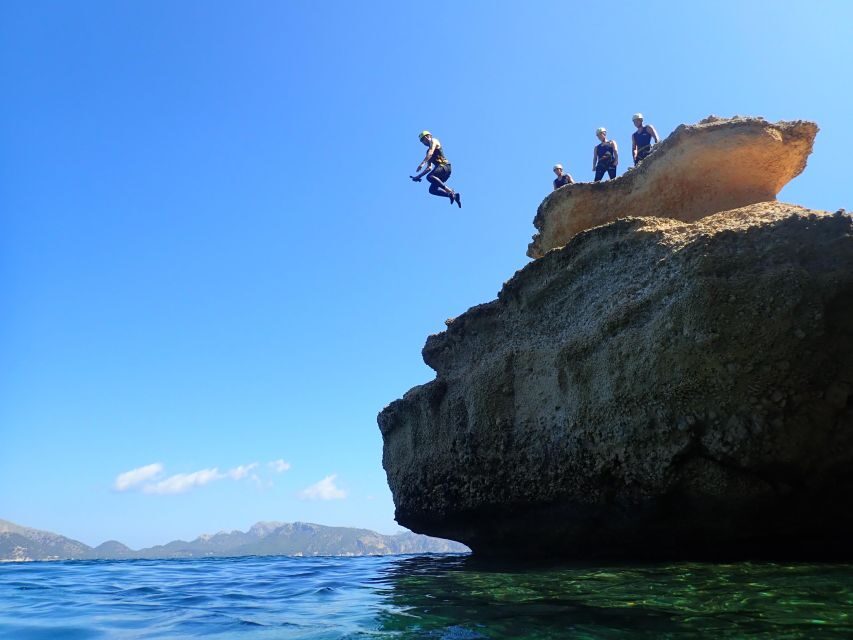
The jump sequence is where a lot of the value is hiding. With 8 separate entries, you’re not just doing one jump for the photos. You’re practicing repeatable skills: how to approach the edge, how to commit, and what to do with your arms and body right at the release.
The coaching style is a big deal here. In guides’ described approach, the emphasis is on technique—especially around protecting the neck and lower back. You should expect clear instructions for safe jumping form, and a pace that lets you get comfortable before increasing height.
Also, the route isn’t presented as a test where only the bold finish strong. People describe guides as patient, and you’ll feel that the point is controlled progression. That matters if you’re nervous at the start. The first jump is often the mental one; after that, you start to trust the process.
DWS and Psicobloc Traverse: Climbing Close to Sea Level Without a Rope
One of the most distinctive parts of Coasteering North is the DWS crossing, also called psicobloc. In plain terms, it’s climbing on rock near the water where you’re essentially working at a height that keeps your exposure close to sea level.
The key detail from the plan: psicobloc means climbing without rope at a maximum of 2 meters from sea level. That sounds small on paper, but the movement still takes skill—finding holds, staying balanced, and keeping your body aligned. You’re not doing technical big-wall climbing here, but you are doing real rock work where sloppy technique can turn into a messy scramble.
Why you’ll probably enjoy this section:
- It breaks up the adrenaline of jumping with something controlled.
- It teaches you how to move on coastal rock safely.
- It connects you to the route in a different way than just hopping in the water.
If you’re worried, ask the guide to demonstrate the approach first. The guides are described as calm and careful with instructions, including step-by-step explanations in English and Spanish.
The ~8-Meter Rappel: A Controlled Descent for People Who Like Structure
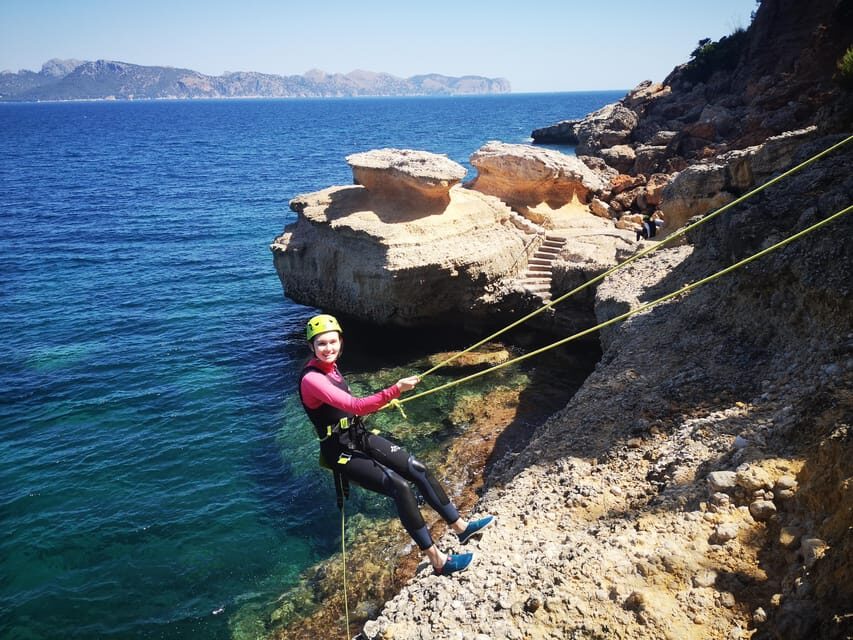
Another headline activity is the rappel from the cliffs, listed as about 8 meters. This is a different skill from jumping. Instead of committing to an entry, you manage your descent—using control, body position, and steady movement down the rock.
The best part is that it turns fear into something you can manage. A rope rappel is still exciting, but it’s more predictable than a jump. You’re taking a planned path downward with the right safety setup.
And if you don’t want this part? The rules are practical: if you don’t want to do abseiling, or you’d rather skip other elements like a zip-line/jumping from higher spots, that’s fine. The guide can adjust the route to your needs. That flexibility makes this coasteering option friendlier for a wider range of comfort levels.
What Makes Alcúdia Cliffs Special on a Summer Coasteering Day
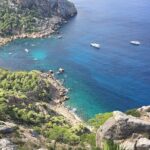
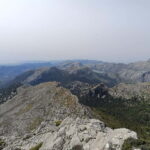
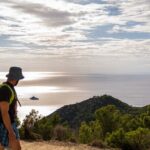
North Mallorca has a way of making you slow down once the sea is in front of you. From the cliff areas used for this route, the views can be genuinely impressive—wide, open, and backed by stone. You’re not looking at the coast from a distance; you’re inside the shape of it.
The “summer season” piece matters too. Coasteering is best when you can see well, move well, and trust that the water access points are in good shape. When conditions are right, the combination of clear water and rocky passages makes the whole circuit feel like you’re doing something rare, without needing a lot of gear or prior experience.




Safety First: High-Quality Gear and Guide Confidence
Coasteering is fun, but it’s not casual. What helps here is the emphasis on high-quality safety gear and proper coaching.
From the way guides describe their role, safety comes in two layers:
- Equipment and setup so you’re protected when you move and enter the water.
- Technique coaching so you’re making good choices before you jump, climb, or rappel.
You’ll also notice the group size stays small, which means the guide can keep an eye on everyone. In examples from past groups, guides like Juanfran and Alfonso are described as patient and focused on giving clear instructions, and Dany is described as someone who takes time to explain and help people feel at ease.
That patient teaching matters if you’re slightly unsure. The goal isn’t to rush you. It’s to get you comfortable with the plan so you can enjoy the adrenaline instead of fighting it.
Who Should Book This Coasteering North Tour (and Who Should Skip It)
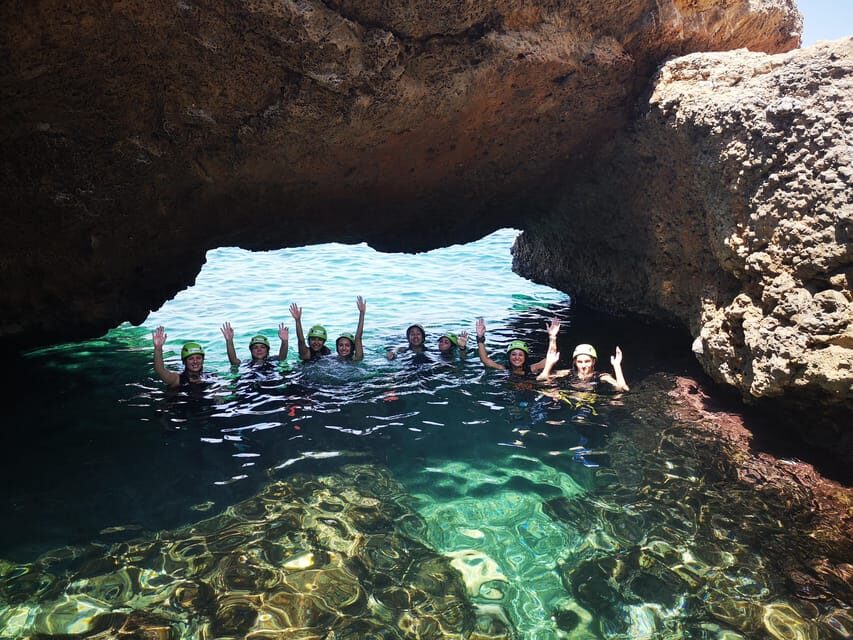
This tour is a great fit if you want an all-in-one coastal adventure. You’re doing multiple types of movement—jumping, rope descent, rock scrambling, and short climbing near the sea—within one 3-hour session. If your Mallorca plans include beaches and you want one day that feels more active and more personal to the coastline, this fits.
You should book if:
- You’re traveling with a group and want shared, guided action.
- You want variety, not one single activity.
- You’re comfortable following instructions and building confidence step by step.
- You want to see sea caves and marine tunnels up close (when access is safe).
You should skip if:
- You’re pregnant.
- You’re not a strong swimmer. The tour explicitly lists it as not suitable for non-swimmers.
Also, if you hate one specific part (like rappel), the ability to adjust can still make it workable. Just tell the guide what you want to skip early.
What to Bring: Simple Stuff That Makes the Day Easier
You don’t need to bring a pile of gear, but you do need the basics to be comfortable.
Bring:
- Swimwear
- Towel
- Sunscreen
- Water
You’ll also be happier if you bring your own footwear. It’s recommended to bring booties with rubber sole. If you can’t, the activity may provide them.
And keep your head clear about what not to bring. Alcohol and drugs are not allowed, and you also can’t litter. It’s a safety and respect thing, especially on a rocky coastal route.
Price and Value: Is $77 Worth 3 Hours of Coasteering?
At $77 per person for about 3 hours, this coasteering option can feel like good value if you compare it to typical “one activity” tours. Here, you’re paying for a guided circuit that includes:
- 8 sea jumps
- DWS/psicobloc traverse
- Rappel about 8 meters
- Marine tunnels
- Continuous coaching in Spanish or English within a small group
The value is in the combination. You’re not just doing one thrilling moment; you’re getting repeated practice across multiple skills while the guide manages safety and route decisions. For a lot of people, the “multiple activities in the same place” aspect is exactly what makes it worth it on a summer trip.
If you prefer passive tours, or you’re unsure about swimming, then the price won’t feel like a bargain. But if you’re the type who wants an active, coastal day with real skill-building, $77 is a reasonable entry for a guided, structured adventure.
Practical Tips for Making the Most of Your Day
Coasteering is one of those activities where small choices help a lot.
- Arrive ready to move. You’ll be hiking along the coast as part of the route, so comfortable clothing and a calm mindset help.
- Tell your guide your boundaries early, especially if you’d rather skip abseiling or higher jumping options.
- Bring your sunscreen even if clouds show up. Coastal sun can sneak up fast.
- If sea conditions are rough, don’t assume you’ll get the exact same route. The guide may adjust the schedule or modify access points for safety.
In other words, think of it as a guided coastal day with a plan that adapts to real sea conditions.
Should You Book Coasteering North in Mallorca?
Book it if you want one of Mallorca’s more physical, memorable ways to experience the coast—especially near Alcúdia. The mix of 8 jumps, DWS/psicobloc, ~8m rappel, and marine tunnels gives you a lot packed into 3 hours, and the small-group format helps the guide keep control and coach properly.
Don’t book it if open water makes you nervous or you’re not a confident swimmer, since the tour is explicitly not suitable for non-swimmers. Also, if you’re avoiding height and climbing entirely, you’ll likely be happier choosing something else—though the option to skip certain elements can help.
If you’re looking for a coastal adventure that feels close to the rock and water, this one is hard to beat.
FAQ
Where do I meet for Coasteering North?
You meet at the parking place at Carrer Fonoll, 8. Your guide will be there.
How long is the Coasteering North experience?
The duration is 3 hours.
How big is the group?
It’s a small group, limited to 10 participants.
What activities are included?
The plan includes 8 sea jumps, a DWS/psicobloc traverse, an ~8-meter rappel, and marine tunnels.
Are there any requirements about swimming?
Yes. This activity is not suitable for non-swimmers, so you need to be comfortable in the water.
Do I need previous experience?
No. The activity does not require previous experience.
Can I skip abseiling or jumping?
Yes. If you do not want to do abseiling or jumping from high places (and related elements like a zip-line), you can skip it, and the guide will adjust the route.
What should I bring?
Bring swimwear, a towel, sunscreen, and water. You’re also encouraged to bring your own booties with rubber sole.
Is alcohol allowed?
No. Alcohol and drugs are not allowed.
What happens if sea conditions are unsafe?
If conditions make access unsafe, the guide may adjust the schedule or modify the route. In the case of unsafe cave access, the guide can change things, and the info states that no refunds are issued for such adjustments.