REVIEW · MALLORCA
Mallorca: Authentic Horseback Ride in Rural Mallorca
Book on GetYourGuide →Operated by Mallorca Horses · Bookable on GetYourGuide
There’s something special about a steady gallop in open air. This 4-hour authentic horseback ride in rural Mallorca mixes hands-on horse prep with an active pace that includes long trots and canters through real countryside. I especially like the small group setup (max 6), because it keeps the coaching practical and the ride feeling personal.
The second thing I like is the way you build up before you head out: a warm welcome, horse handling, then a short arena session where you get corrected on position and control. One consideration: this experience is designed for riders with some experience, so if you’re truly brand-new, go in with patience and a willingness to learn in the arena.
In This Review
- Key highlights you’ll feel on the day
- Why this rural Mallorca ride is more than a scenic walk
- Getting there: Llucmajor and Algaida van pick-up
- The start of the experience: welcome, tack, and an arena confidence boost
- Holm oaks, valley paths, and open farm tracks in the Randa area
- The riding pace: trots, canters, and skill-building on wide trails
- Small group energy: up close with horses, not lost in the crowd
- Safety basics that are actually included
- What the price covers, and why $177 can be fair value
- Who should book this ride (and who should skip it)
- What to wear: small details that keep you comfortable for 4 hours
- Instructor languages and group feel
- Reviews that match what you’ll care about
- Should you book this rural Mallorca horseback ride?
- FAQ
- How long is the horseback ride?
- What is the price per person?
- What’s included in the tour?
- Is transportation to the hípica included?
- Do I need riding experience?
- What should I bring?
- What footwear is not allowed?
- What languages do the instructors speak?
- Who isn’t allowed to join?
Key highlights you’ll feel on the day
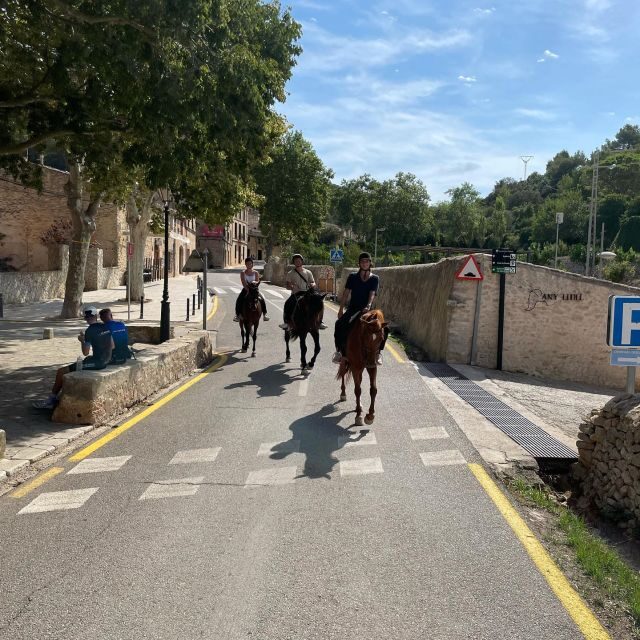
- Andalusian horses matched to your level, so you’re not thrown on an overly advanced mount
- Arena training first, then technique put to work on wide rural trails
- Randa Valley route, mixing holm oaks and forest paths with open almond and olive country
- Long trot and canter opportunities, with a pace that stays active rather than slow sightseeing
- You care for the horses before riding, which makes the whole experience more grounded
- Instructor photos plus refreshments, small touches that add real value
Why this rural Mallorca ride is more than a scenic walk
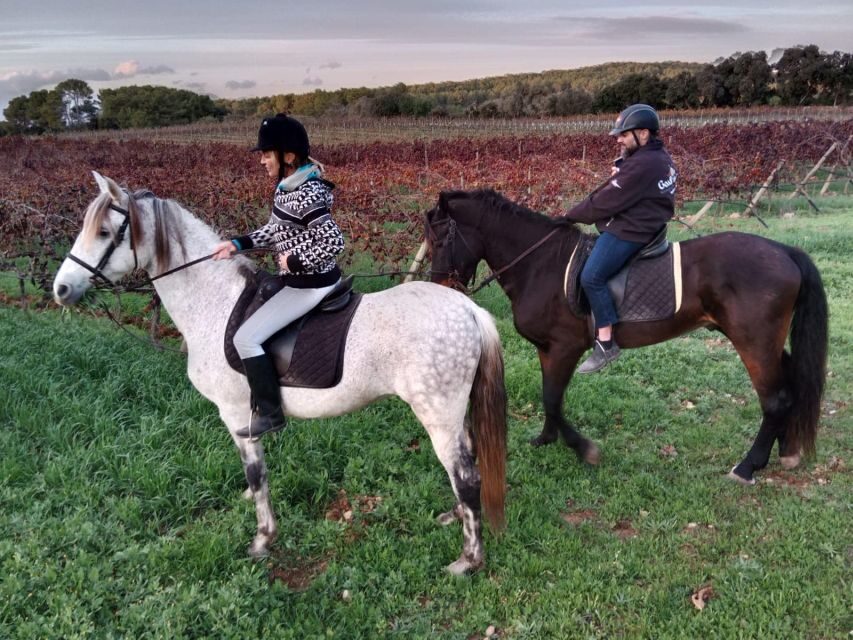
If your idea of Mallorca is beaches and bus rides, this experience flips the script. You get movement, balance, and control in a real equestrian setting, not a slow “look at the views” outing. The ride is described as dynamic and designed for an active pace, with longer stretches where you can trot and canter—so it rewards riders who want to feel the horse rhythm instead of just sitting still.
I also like that it’s built around Mallorca’s rural identity. The route isn’t just around a single fenced track. It connects natural trails in the Randa Valley with open farmland areas—almond trees, olive groves, and cultivated fields—so you’re seeing how the island actually works beyond the tourist strip.
You can also read our reviews of more tours and experiences in Mallorca
Getting there: Llucmajor and Algaida van pick-up
This is one of those tours where the “where do I meet?” part matters. The experience offers an option to arrive by bus to the towns of Llucmajor and Algaida, and then a van pick-up at the meeting points listed for your convenience.
Why this matters for your day: it reduces the stress of getting to a rural hípica location on time. Your best move is to check which starting pick-up point fits your base town, then plan a buffer so you’re not rushing into tack time.
The start of the experience: welcome, tack, and an arena confidence boost
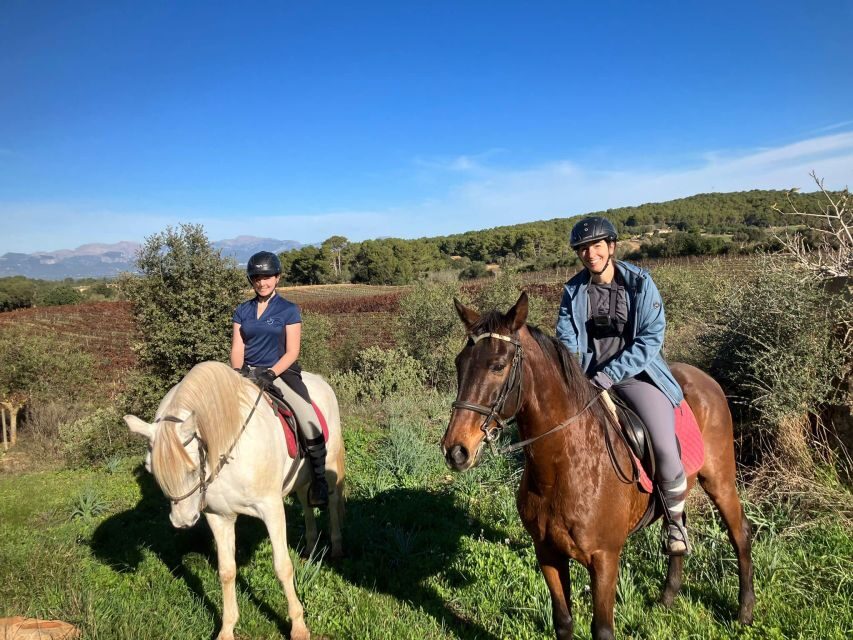
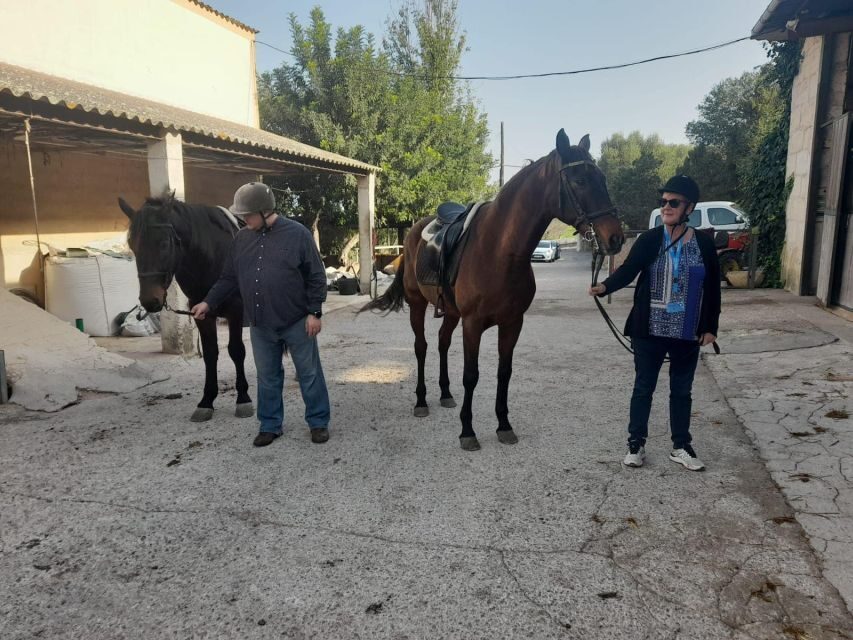
The day begins with a warm welcome and getting the horses ready—this includes preparation and handling. You’re not asked to just hop on. Instead, there’s a short coaching sequence focused on how to handle the horse and how to set your position before you ride.
Then comes the part that makes the whole outing feel safer and smoother: a riding session in an arena with sand footing. In that short time, you get guidance on things like position and handling so you can start the countryside ride with fewer surprises.
If you care about riding quality, this matters. A countryside horse ride is only as good as your ability to communicate with your mount at a trot. The arena segment helps you get your cues straight before you head onto wider trails where you’ll be asked to ride more actively.
Holm oaks, valley paths, and open farm tracks in the Randa area
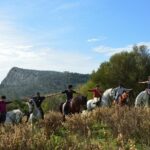
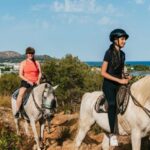
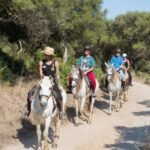
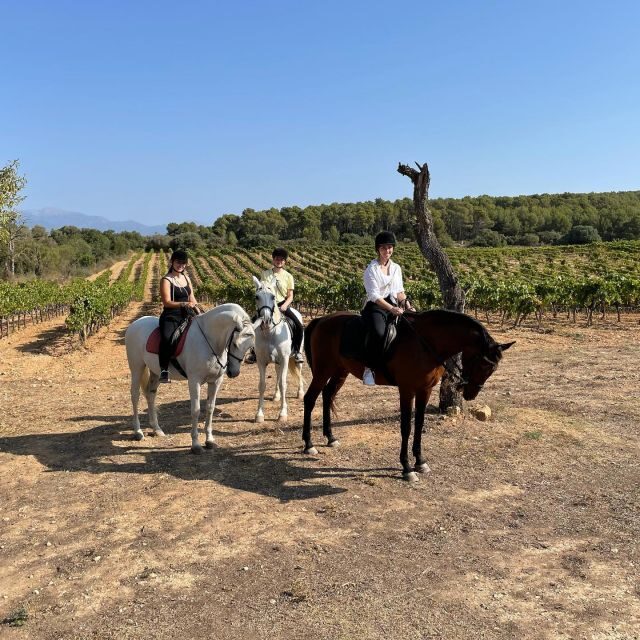
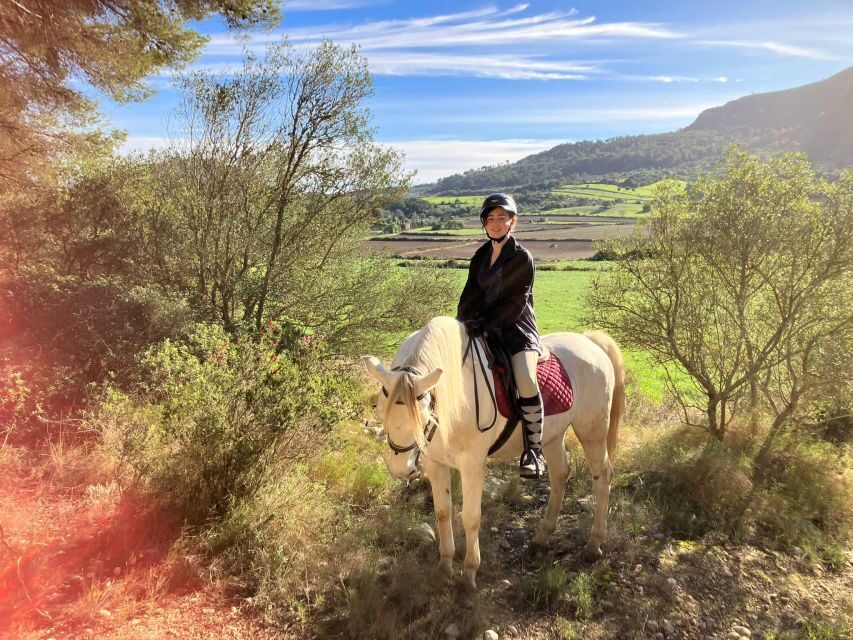
Once you head out, the route is built to change the feel of the ride—not just the scenery. The path combines holm oak groves and forest paths in the Randa Valley with open stretches through almond trees, olive groves, and cultivated fields.
Here’s what that means for you practically:
- In the grove and forest sections, you’ll likely need more steering focus and steadier control. Narrower natural paths tend to demand a bit more attention and rhythm.
- In the open landscape sections, the trails are described as wide and green areas are included—exactly the kind of space that helps trotting and cantering feel controlled rather than chaotic.
This mix is valuable because it keeps your riding “awake.” You’re not zoning out in one constant pace. The terrain changes give you natural breaks to reset your balance and then move forward with confidence.
The riding pace: trots, canters, and skill-building on wide trails
This ride is clearly designed for activity. You’re not promised a full-on training camp, but the description is consistent: you’ll have long stretches to enjoy trotting and cantering as the route allows.
What I like about the way it’s framed is that it doesn’t treat riders like one-size-fits-all. The guides are described as professional and adapting pace and development to ensure a safe, personalized experience. That’s what you want when you’re mixing different ability levels in one group.
Also, the experience isn’t only about speed. The goal is learning in motion: you practice technique on natural paths and wide trails, then you ride with the rhythm of the horse. If you want to improve, this style is usually more useful than a purely scenic ride where you never really get beyond a walk.
Small group energy: up close with horses, not lost in the crowd
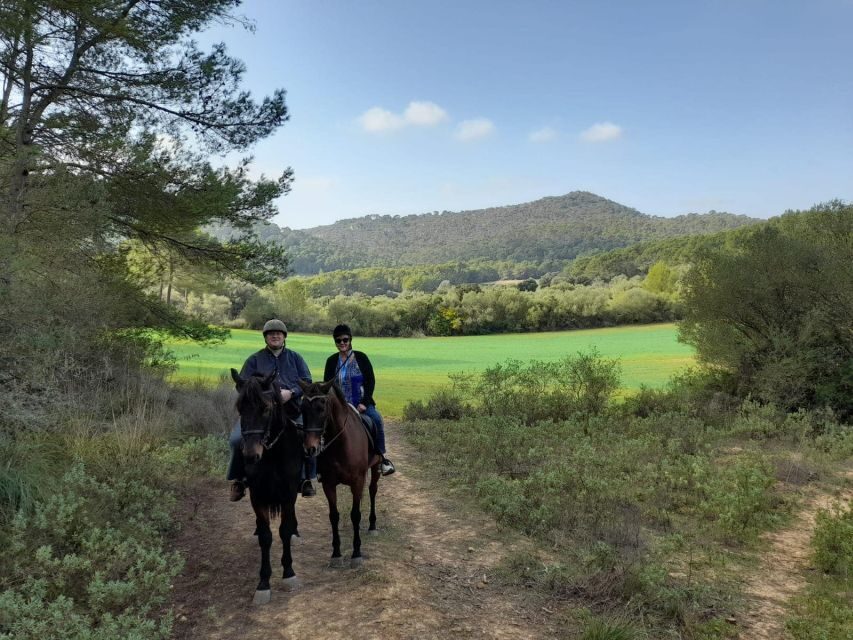
The group size is limited to 6 participants, which is a big deal for horseback riding. It means more attention from your instructor and fewer long waits while others get ready or reposition.
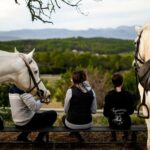
It also changes the vibe with the horses. The experience includes horse preparation and handling, and that time tends to be where you really connect. One of the strongest signals from the feedback is that people appreciated being welcomed and getting time to take care of the horses—something that turns the ride from a transaction into a relationship for a few hours.
You’ll also get instructor photos and refreshments. That’s not the main reason to book, but it adds a practical payoff: you’ll have a record of the day without having to juggle your camera every time you find a good trot.
Safety basics that are actually included
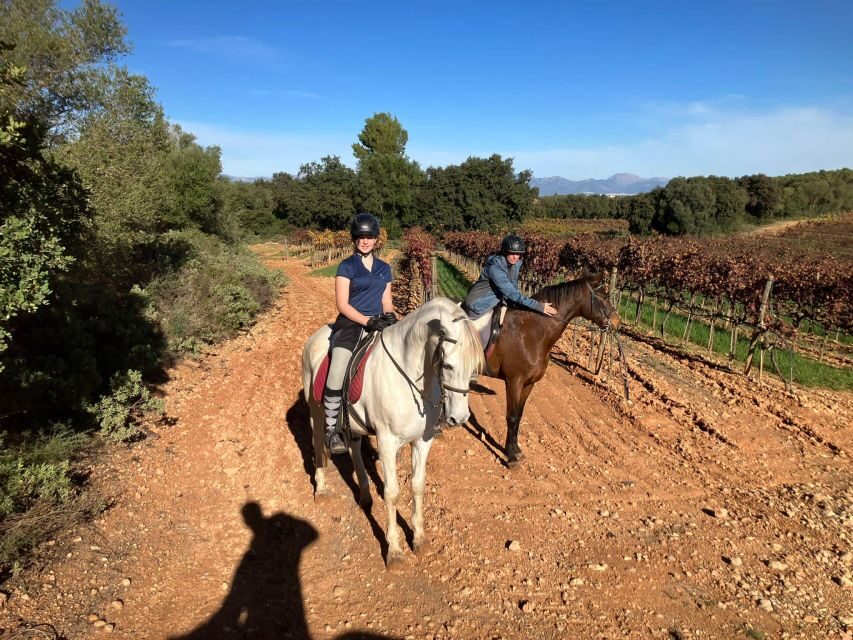
Horse riding has risks, but the key is how the provider handles them. Here’s what’s directly included:
- mandatory helmet (casco obligatorio)
- equestrian monitor/monitor de equitación
- insurance RC (responsabilidad civil)
- horse preparation and choice of horse based on your level
- horse cleaning and shower time after the ride (aseroy/aseo y ducha del caballo)
I like that the horse selection is tied to your level. That single detail can make the difference between a ride that feels exciting and one that feels stressful. The better match usually means less fighting and more communication—which is what you want if you’re also trying to improve your skills.
What the price covers, and why $177 can be fair value
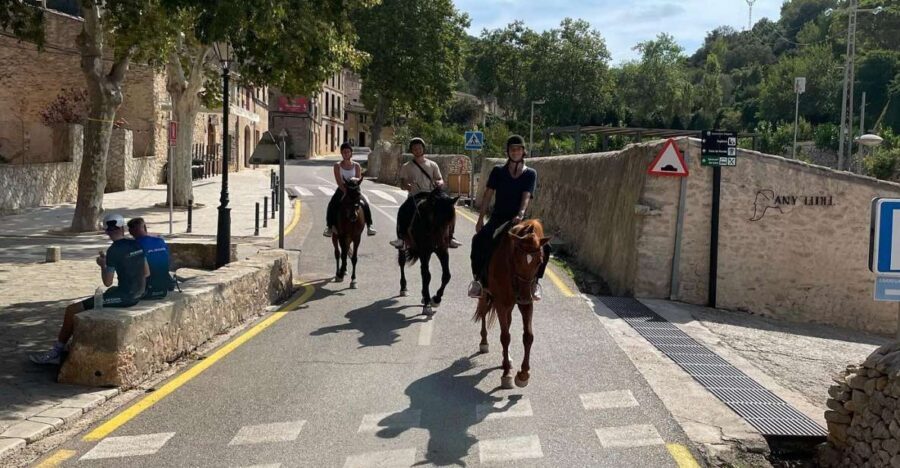
The listed price is about $177 per person for a 4-hour experience. That can sound high until you see what’s included. You’re paying for a full equestrian setup, not just time in the saddle.
Included items are doing real work here:
- arena class and coaching
- helmet
- horse prep, handling, and matching
- photos from the instructor
- refreshments
- horse hygiene after the ride
- civil liability insurance
What’s not included is transportation to the hípica (you’re told to contact for info) and your meals, which depend on the activity. So the best value happens if you’re already positioned reasonably close to the pickup areas (or you use the offered bus-to-town option).
If you’re comparing prices, look beyond the horseback time. A “cheap” ride can still cost you in coaching quality, horse suitability, or safety basics. Here, the included structure suggests you’re paying for a more organized, guided experience.
Who should book this ride (and who should skip it)
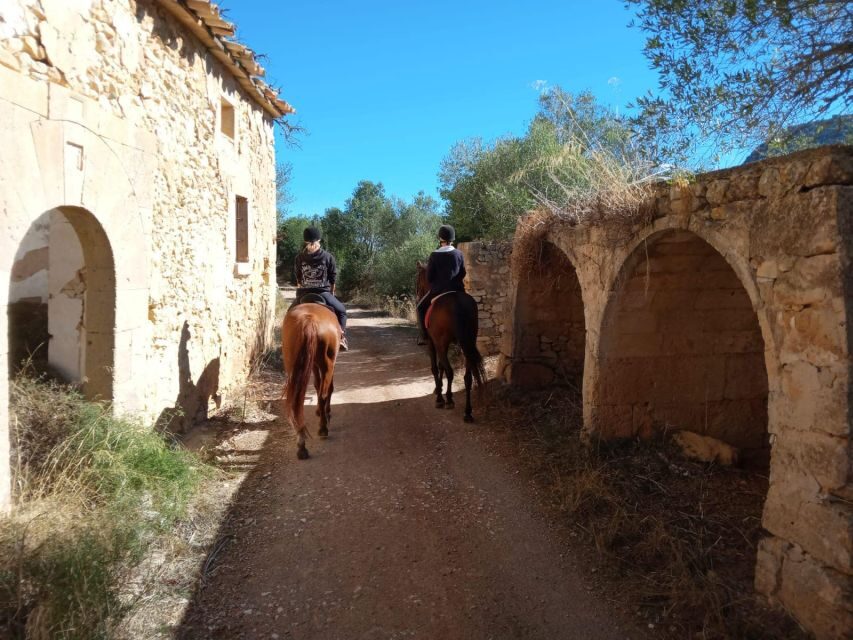
This ride is ideal if you’re active and enjoy riding with intention. It’s aimed at riders with some experience, but it’s also said to be suitable for guests in good physical condition. The guides adapt the pace, which helps you handle the longer stretches at a more active rhythm.
Before you book, check the limits:
- Not suitable for children under 7
- Not suitable for pregnant women
- Not suitable for people with mobility impairments
- Not suitable for people over 243 lbs (110 kg)
One note that can confuse people: it also says wheelchair accessible. At the same time, it lists mobility impairments as not suitable. If you fall into that category, you should contact the provider directly and ask how the activity is handled in practice for your specific needs.
What to wear: small details that keep you comfortable for 4 hours
Horseback riding is physical, even when it looks relaxed. Bring:
- long pants
- closed-toe shoes
Don’t wear:
- sandals or flip-flops
This is about safety and stability. Closed-toe shoes help your feet sit correctly and protect you if your foot shifts near the horse’s body. Long pants also give you more friction control against the saddle and help you stay comfortable during trot and canter transitions.
If you tend to run warm, plan for it. You’ll be mounted for several hours with an active pace, and rural Mallorca can feel warm even when the ride starts earlier in the day.
Instructor languages and group feel
The instructor is listed as available in English, Spanish, German, Catalan, and French. That’s helpful if you don’t want to depend on your riding skills alone—good coaching reduces stress fast, especially when you’re learning how to sit and steer at different speeds.
With only up to 6 participants, communication tends to stay clear. You’re less likely to get “lost in translation” while everyone else is already trotting out.
Reviews that match what you’ll care about
The feedback points to the same themes the structure promises. People appreciated the friendly, competent guiding and described feeling well taken care of, even when they didn’t have prior riding experience.
There’s also a consistent compliment for the horses themselves—people wrote that they were great and that the guidance made the ride enjoyable and safe. One standout element: the chance to care for the horses and get acquainted before riding. That’s a big reason this kind of ride feels memorable instead of mechanical.
Should you book this rural Mallorca horseback ride?
Book it if you want an active, guided ride through countryside you can’t really see from a bus. This is for you if you like trotting, cantering, and improving your technique on natural trails, not just getting a photo from a slow walk.
Skip it if you’re looking for a purely beginner “sit and cruise” experience, or if you fall outside the listed limits (especially the weight limit and the “not suitable” categories). Also skip—or contact first—if your riding history is very limited and you don’t want any arena coaching. This ride’s value is in the coaching plus the active pace, so you’ll enjoy it most if you’re ready for that.
If that sounds like your style, this is a solid choice for rural Mallorca: small group attention, real countryside variety, and Andalusian horses matched to your level.
FAQ
How long is the horseback ride?
The experience lasts about 4 hours.
What is the price per person?
The price is listed at about $177 per person.
What’s included in the tour?
It includes equestrian monitoring, mandatory helmet, horse preparation and handling, a sand arena class, the horseback excursion, horse cleaning and shower, refreshments, instructor photos, and RC insurance.
Is transportation to the hípica included?
No. Transportation to the hípica is not included. You’re advised to contact and find out details.
Do I need riding experience?
The ride is designed for riders with some experience, but it can also suit guests in good physical condition. The guides adapt the pace and development.
What should I bring?
Bring long pants and closed-toe shoes.
What footwear is not allowed?
Sandals or flip-flops are not allowed.
What languages do the instructors speak?
Instructors are listed in English, Spanish, German, Catalan, and French.
Who isn’t allowed to join?
It’s not suitable for children under 7, pregnant women, people with mobility impairments, and people over 243 lbs (110 kg).