REVIEW · MALLORCA
Els Calderers House Museum in Mallorca
Book on Viator →Operated by Els Calderers · Bookable on Viator
This house runs on stories and chores. I love how Els Calderers strings together a working estate into 30+ rooms you can actually picture in your head, from chapel to cellar and beyond.
I also like that the tour is offered in English for a small group, so the estate’s rhythms make sense without you guessing. One thing to consider: the animal farm part of the visit can divide people, since some enclosures are described as too bare for the heat.
In This Review
- Key highlights you should know
- Els Calderers: a 3-hour working-estate tour in Mallorca
- Where to meet and why free parking helps
- The room-by-room flow: what you’ll see inside
- Ground floor: hall, chapel, priest’s office, and the celler
- From bedrooms to the working estate: barn, kitchen, bar stops
- The ending rooms: tools, machinery, and farm production
- The farmyard factor: animals outside and what to expect
- Price and value: is $10.81 a fair deal?
- Who should book Els Calderers (and who might pause)
- Practical tips to make the most of your 3 hours
- Should you book Els Calderers House Museum?
- FAQ
- How long is the Els Calderers House Museum tour?
- Is the admission ticket included in the price?
- How much does it cost per person?
- What language is the tour offered in?
- Where do I meet for the tour?
- Does the tour end at the same place it starts?
- Is parking included?
- Is private transportation included?
- Can I get a full refund if I cancel?
Key highlights you should know
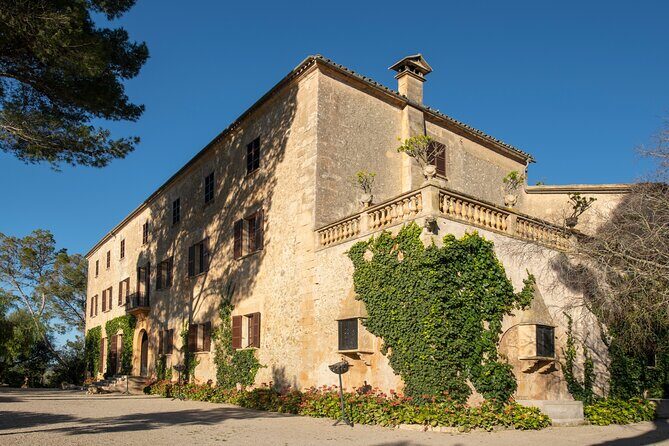
- A guided route through 30+ rooms in a preserved estate, with the flow explained as you go
- Ground-floor start with hall, priest’s office, chapel, and celler, then bedrooms and work spaces
- Bread and laundry stops, plus a peasant kitchen and spaces tied to daily household labor
- Craft and production areas at the end like carpentry, blacksmithing, flour mill, and machinery for almonds/garroves
- Farm yards are part of the story, and you may want to plan based on your comfort level around animal pens
- Small groups (max 15) make it easier to hear the guide and move at a steady pace
Els Calderers: a 3-hour working-estate tour in Mallorca
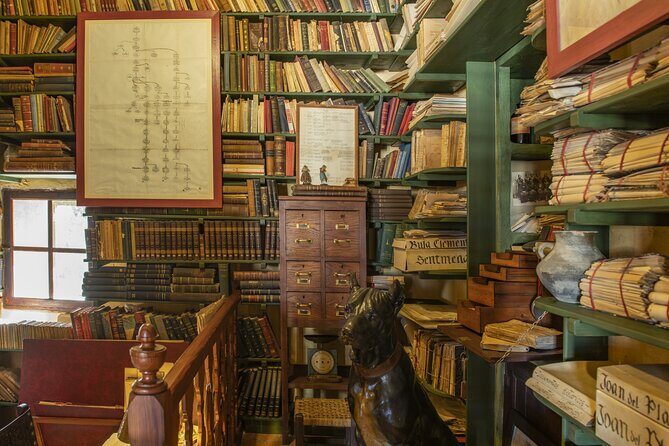
Els Calderers House Museum isn’t trying to be a slick museum experience. It’s closer to a preserved estate that still reads like a place where people lived, worked, cooked, traded, and cared for animals. The best part is the pacing: you don’t just see rooms, you walk through the way a household functioned—religion and administration, then food prep and storage, then crafts and the farmyard.
The visit lasts about 3 hours, and the tour keeps moving through more than 30 rooms. That matters because you’re not stuck in one big hall listening to a lecture. You’re switching “worlds” every few minutes: chapel to cellar, bedrooms to workshops, peasant kitchen to bread oven, then out to areas tied to production and animal husbandry.
Pricing is $10.81 per person, and your admission ticket is included. For many travelers, that makes it feel like good value—especially if you prefer structured visits where someone else has already figured out the route and the story.
You can also read our reviews of more museum experiences in Mallorca


Where to meet and why free parking helps
You’ll start at Museu Etnològic dels Calderers, at Finca Els Calderers, Camino, Els Calderers, 07240 San Juan (Sant Joan), Illes Balears. The tour ends back at the same meeting point, which keeps things simple if you’re driving or using local taxis.
Two practical things to know before you go:
- Free parking is included, which is a big deal on Mallorca when you’re not staying right inside Palma.
- The tour is capped at 15 travelers, so it doesn’t turn into a mass shuffle.
What isn’t included is private transportation—so if you’re staying farther away, plan how you’ll get there. The good news is the whole experience is self-contained once you arrive.
The room-by-room flow: what you’ll see inside
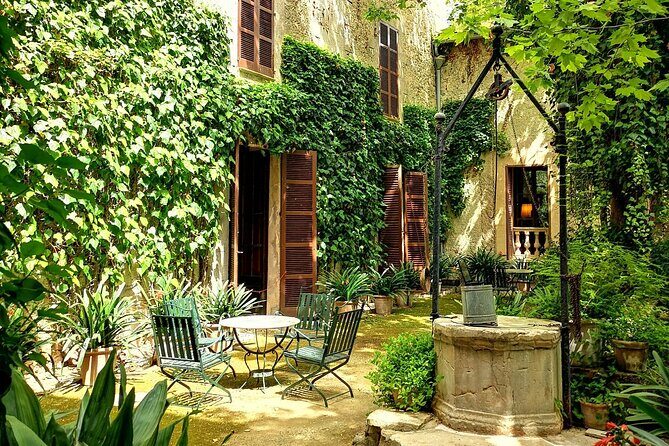
The estate tour is designed like a guided walk through daily life. You start on the ground floor, then move through bedroom and household support spaces, then toward farm-related rooms and production areas, finishing with the external and workshop-style stops. The tour description is specific enough that you can mentally map it as you go.
Ground floor: hall, chapel, priest’s office, and the celler
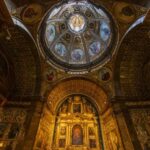
You begin with the Hall, then move into the Office of the Priest and the Chapel, followed by the Celler (cellar). This pairing is one of the reasons Els Calderers feels like a real household rather than a staged showpiece. It places religion and storage next to each other, which fits the way older estates operated: faith wasn’t separate from everyday decisions, and supplies had to be managed carefully.
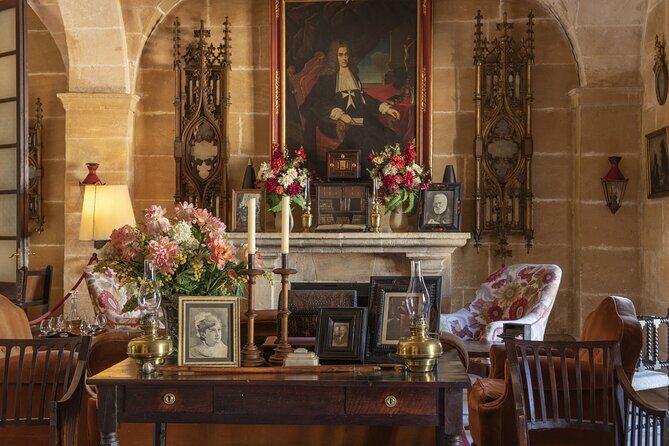
After that, the route shifts toward the family’s private world: the main bedroom and its dependencies. You’ll also see spaces described as a common room and rooms linked to dressing and personal preparation, then you continue along areas like a corridor, toilet, and ironer. If you like seeing how people actually moved through a home—where they prepared themselves, where they washed, where practical tasks happened—this part of the tour tends to click.
From bedrooms to the working estate: barn, kitchen, bar stops
Then you move into a second wave of spaces tied to labor: barn, more bedrooms, and an Office of the Mayoral (the local leader role). After that, you get to the Peasant Kitchen and the household support rooms—toilets and a bar stop included in the route.
The tour also includes souvenirs and then shifts again into food and cleaning systems: bread oven and laundry. I like these stops because they’re not just decorative. Bread ovens and laundry spaces are where a household’s routines become visible. You start thinking in cycles: harvest → storage → bread-making → washing → reuse.
A helpful way to think about the kitchen-and-oven portion is that it’s the estate explaining itself from the inside out. When a tour includes bread-making and washing as major “rooms,” it tells you this museum is trying to represent lived life, not just the fancy rooms.




The ending rooms: tools, machinery, and farm production
The last part of the tour pushes you into the estate’s production side. You don’t just finish in a gift shop and call it a day. You end with rooms and areas connected to building, processing, and farm output, including:
- Carpentry and Blacksmithing
- Algarrobos and Almonds Machinery (processing areas tied to local crops)
- Pig slaughter room
- Corrals with different animals
- Flour Mill
- Corral of equine animals
- Porch of carts and garnishes
This is a big reason the route feels longer than three hours in the best way. You see how raw materials turned into usable household goods. If you’re the type who always wonders how older towns actually fed people—beyond the dining table—these stops do the job.
There’s also an interesting emotional shift here. Early rooms read as private and structured. The ending rooms read as practical and sometimes hard-edged—things like mills, slaughter spaces, and animal corrals make it clear that “heritage” includes labor you’d rather not romanticize.
The farmyard factor: animals outside and what to expect
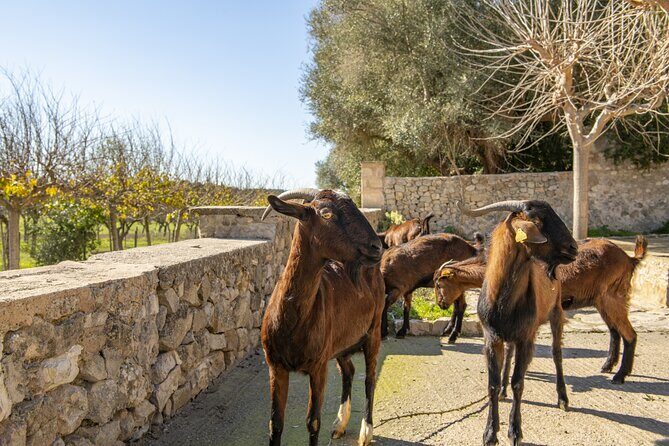
Els Calderers isn’t only an interior house museum. The experience includes animals in outdoor pens and yards. Some visitors clearly enjoyed the animals as part of the working-estate setting, while others felt the outdoor pens were too bare and too exposed in hot weather.
Here’s how to approach this part fairly:
- Expect animals to be visibly part of the property, with pens and corrals included in the walk.
- Be ready for mixed descriptions: some say bedding and space can look minimal, while others point out Mediterranean-style husbandry and note that shade and water are available.
- The farmyard can also include details that aren’t everyone’s favorite, like a watchful dog reported as being on a chain in the yard.
If you’re very sensitive to animal comfort or you need reassurance before you visit, I’d take that seriously. If you’re okay viewing farm life honestly—while still hoping for good care—then this part can add depth to the story instead of breaking it.
One more small detail related to the estate’s food side: there’s an orange grove element mentioned in visitor feedback, including a note that bitter oranges can’t be used for the museum’s food/drink offerings. That’s the kind of real-world constraint that makes places feel less perfect and more believable.
Price and value: is $10.81 a fair deal?
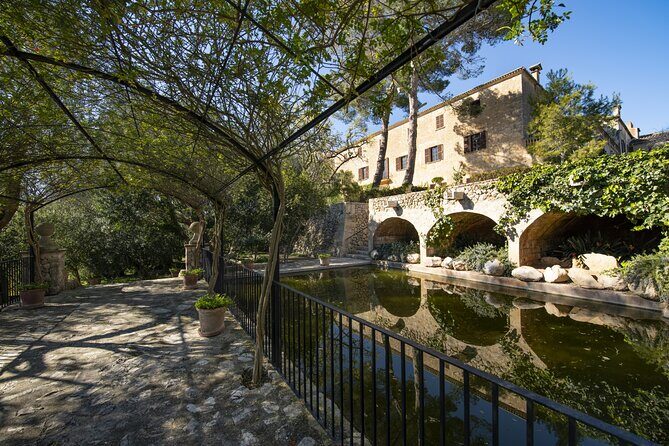
At $10.81 per person with the admission ticket included, Els Calderers House Museum is priced in a way that makes sense for a structured 3-hour guided experience. You’re paying for:
- a guided route through more than 30 rooms
- a set itinerary that includes bread oven, laundry, mills, and workshop areas
- an experience that blends house life + production + farmyard
Private transportation isn’t included, but with free parking, you can keep costs controlled if you’re driving. If you’re coming from farther away and need taxis, your total cost may rise—but the museum entry itself doesn’t feel overpriced for what you get.
The main “value risk” isn’t the price. It’s the visitor experience quality. Some reports describe areas feeling less polished or the information material being confusing. That doesn’t mean you’ll have a bad visit, but it does mean you should go with the right expectations: this is more “living estate museum” than “perfectly curated exhibition.”
Who should book Els Calderers (and who might pause)
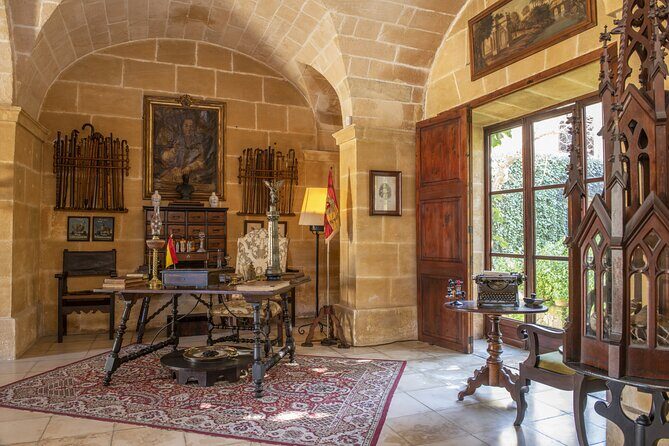
This fits best if you like:
- historic estates that show daily work, not just portraits and decorations
- structured tours where rooms come with context
- seeing how local resources and crafts connected to household life—mills, machinery, and processing spaces
You might think twice if you:
- strongly prefer museums with no animal-farm component
- need information presented very cleanly, with perfectly laid-out signage (some guests have mentioned thick dust or a confusing info sheet)
Also, if you’re planning your day around it, remember the experience is outdoors-included. Bring a mindset for sun and heat for the yard portions.
Practical tips to make the most of your 3 hours
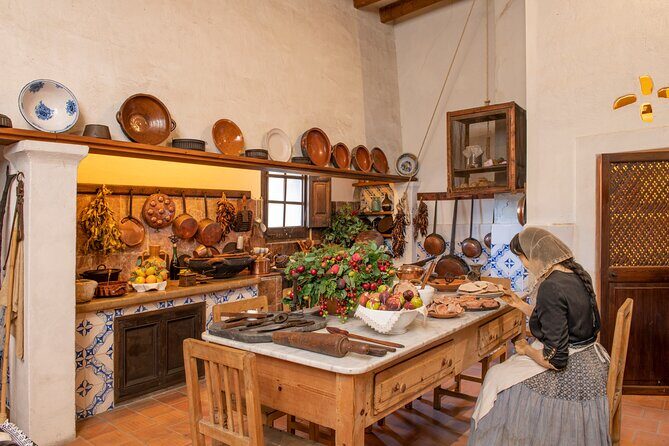
A few things make a difference here:
- Wear shoes you trust. You’ll be moving between rooms and into outdoor areas tied to farm life.
- Plan for indoor cool zones and outdoor heat zones. Thick stone interiors can feel noticeably cooler than the outside yard.
- Keep your expectations flexible. Some rooms are photographed like museum interiors; others feel like a working property. That mix is part of the point.
- If you want drinks or snacks, note there’s a bar stop in the route, and at least one visitor reported card payments didn’t work there. If that matters to you, bring some cash as a backup.
Should you book Els Calderers House Museum?
Yes—if you want a guided, room-by-room look at how Mallorca estates worked, and you’re curious about the practical side of history. For the price of $10.81 and a tight 3-hour run through 30+ rooms (plus bread oven, mills, workshops, and farmyard spaces), it’s a solid use of time.
I’d especially recommend it to people who enjoy hands-on context: where the household stored food, how bread and laundry were handled, what crafts supported daily life, and how local processing worked. Just go in with eyes open about the outdoor animal area, since descriptions are mixed and your comfort level matters.
If you want, tell me your travel month and where you’re staying on Mallorca, and I’ll suggest the easiest way to time it with other nearby stops.
FAQ
How long is the Els Calderers House Museum tour?
The tour is about 3 hours.
Is the admission ticket included in the price?
Yes. Admission is included.
How much does it cost per person?
The price is $10.81 per person.
What language is the tour offered in?
The tour is offered in English.
Where do I meet for the tour?
The meeting point is Museu Etnològic dels Calderers, Finca Els Calderers Camino, Els Calderers, 07240 San Juan, Illes Balears, Spain.
Does the tour end at the same place it starts?
Yes. The activity ends back at the meeting point.
Is parking included?
Yes. Free parking is included.
Is private transportation included?
No. Private transportation is not included.
Can I get a full refund if I cancel?
Yes. Cancellation is free, and you can cancel up to 24 hours in advance for a full refund.