REVIEW · PALMA DE MALLORCA
3 Hours E-Bike Tour in Palma
Book on Viator →Operated by GreenTours Palma · Bookable on Viator
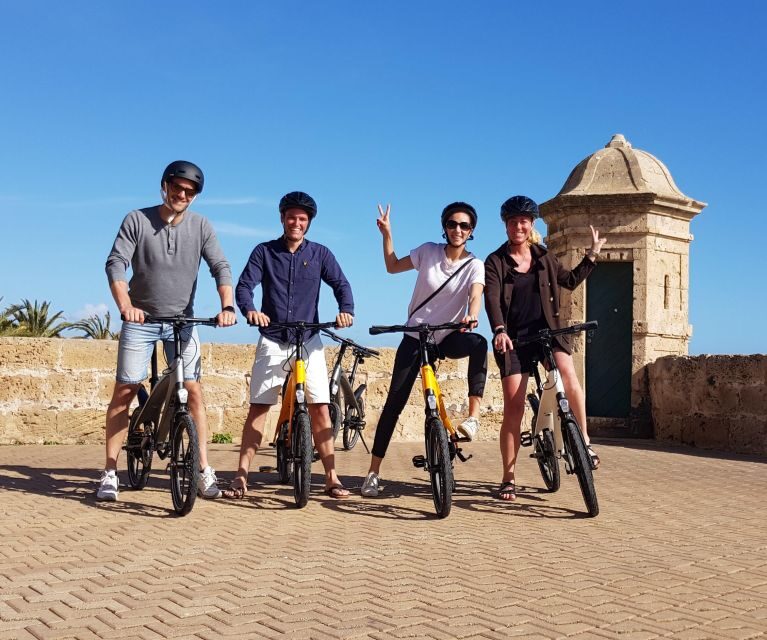
Palma moves fast on an e-bike. This small-group ride helps you get your bearings fast and still hear real stories behind the city’s most famous stops. You’ll glide through the old town, swing by the seafront, and climb toward Bellver Castle without feeling like you’re doing punishment cardio.
Two things I really like: first, the tour packs a lot of key landmarks into one smooth loop, so you don’t waste your limited time wandering. Second, the guides (I’ve seen names like Juan and Mario come up again and again) mix history with clear, practical pacing—so the ride stays fun, not lecture-style.
One drawback to keep in mind: you’re mostly viewing monuments from the outside, and you’ll still need basic comfort riding in traffic-adjacent streets and uphills (even with electric help). If the heat is high, plan to go in ready with water.
In This Review
- Key things to know before you ride
- Why this 3-hour Palma route works so well
- What you actually get for $96.74
- Meeting point reality: where to find the bikes
- The ride plan: stops that build a clear picture of Palma
- Stop 1: Placa Major (Plaça Major)
- Stop 2: Parroquia de Santa Eulalia
- Stop 3: Reial Convent de Sant Francesc
- Stop 4: La iglesia de Monti-sion
- Stop 5: Monestir De Santa Clara
- The mid-tour shift: from monuments to trade and views
- Stop 6: Sa Llotja
- Stop 7: Es Baluard Museu d’Art Modern i Contemporani de Palma (view stop)
- Palau de l’Almudaina and La Seu: royal palace energy meets cathedral scale
- Stop 8: Palau de l’Almudaina
- Stop 9: Catedral de Mallorca
- Bellver Castle: the best reason to do the uphill
- The real ride experience: what it feels like on the ground
- Meeting monuments without paying for entry to everything
- Quick pros and cons to help you decide
- Should you book this e-bike tour of Palma?
- FAQ
- FAQ
- How long is the 3 Hours E-Bike Tour in Palma?
- Where does the tour start?
- What time does it start?
- What language is the tour offered in?
- Is this a small-group tour?
- What’s included in the price?
- What isn’t included?
- Is the tour inside a building or outdoors?
- What weather is required?
Key things to know before you ride
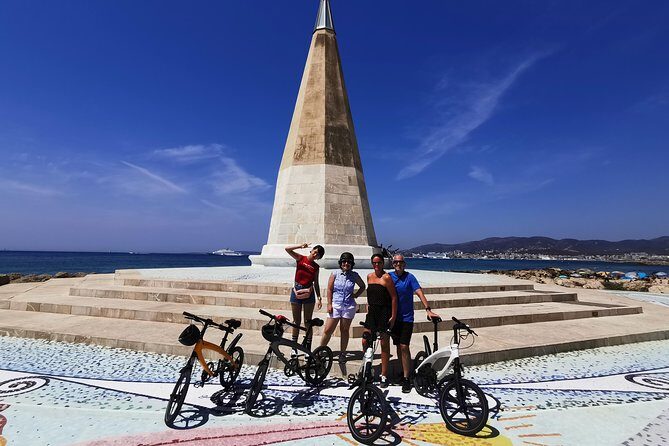
- Max group size is 4, so questions don’t get lost in the crowd
- You cover big highlights in about 2 hours 45 minutes to 3 hours
- Several major stops are outside views only, with extra entry not included
- The climb toward Castell de Bellver is the payoff, with panoramic city and sea views
- Stops include Palma’s core landmarks plus a museum viewpoint at Es Baluard
Why this 3-hour Palma route works so well
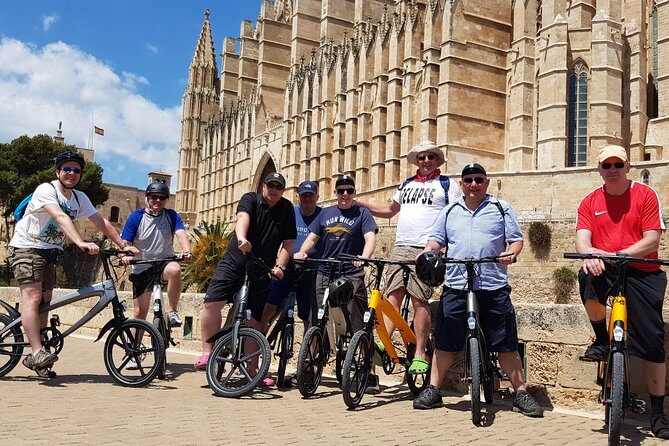
Palma is the kind of city where your first day can go sideways fast. You’ll either walk too much and see only a few places, or you’ll speed through and miss why everything matters. This e-bike format solves both problems.
You start in the city center at Travessa d’en Ballester, 8 and then move in a logical flow: first the squares and churches that define old Palma, then the seafront energy, and finally the hilltop views. The timing is tight enough to feel efficient, but not so rushed that each stop turns into a quick photo and goodbye.
And because you’re on an e-bike, you can actually enjoy the ride—not just survive it. People in the reviews talk about getting help on the uphill sections, including older riders (60+), which tells you the electric assist isn’t just a gimmick here. It’s the difference between seeing the castle as a wall and seeing it as a view.
You can also read our reviews of more tours and experiences in Palma de Mallorca.
What you actually get for $96.74
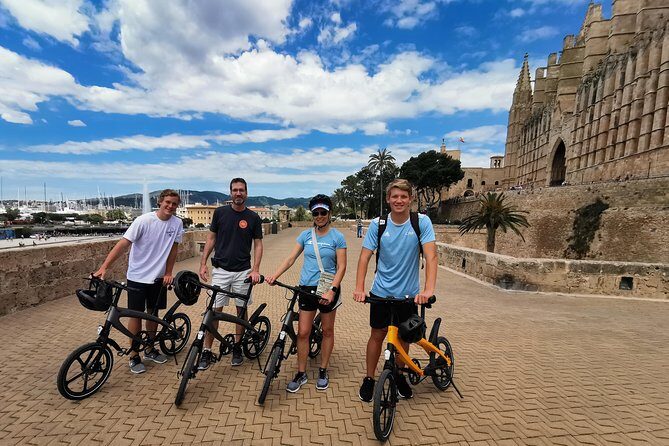
At $96.74 per person, you’re paying for: the bicycle, a live guide, and taxes. What you’re not paying for is monument interior entry during the tour—so this is not a ticket-hunting crawl.
That can be a good thing. If you’re in Palma for a short stay, you want a plan that shows you the full map first, then you decide what’s worth going back for. In this tour, you get an organized look at landmarks like Palau de l’Almudaina and Catedral de Mallorca from the right angles and with context, without spending extra time in lines.
You also don’t need to be a cycling expert. The route is short enough for most people who can ride a bike comfortably, and reviews repeatedly call out that the e-bike makes the hill sections manageable. Still, do take the “you’ll need to be in shape” advice seriously. Even with assist, you’re moving for roughly three hours.
Meeting point reality: where to find the bikes
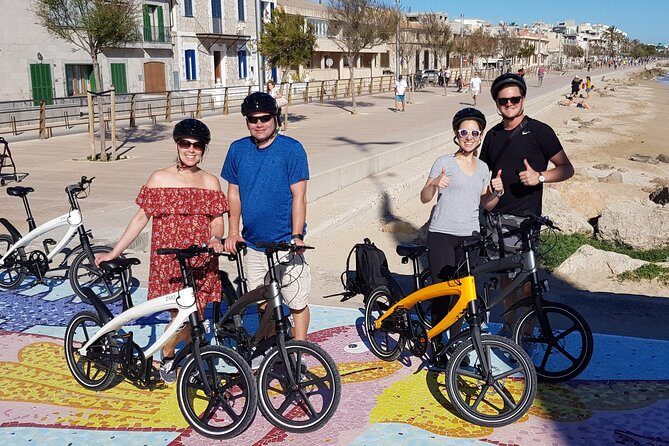
The start point is listed as Travessa d’en Ballester, 8, Centre, 07002 Palma. Multiple comments point out that navigation apps can send you around the wrong side of the building. One helpful tip: some folks recommend looking for #10 on the wall and using better, more careful directions rather than trusting phone maps blindly.
There’s also a theme in the feedback about the bikes being stored in a garage-type setup near the Santander area. That doesn’t mean it’s unsafe, but it does explain the “this looks sketchy” feeling when you first arrive. If you want stress-free day one, I suggest you arrive a bit early and confirm the exact meeting location on arrival, not while you’re already late.
Good news: the meeting point is described as near public transportation, so if you’re coming from elsewhere in the city, you’re not trapped in taxi-only territory.
The ride plan: stops that build a clear picture of Palma
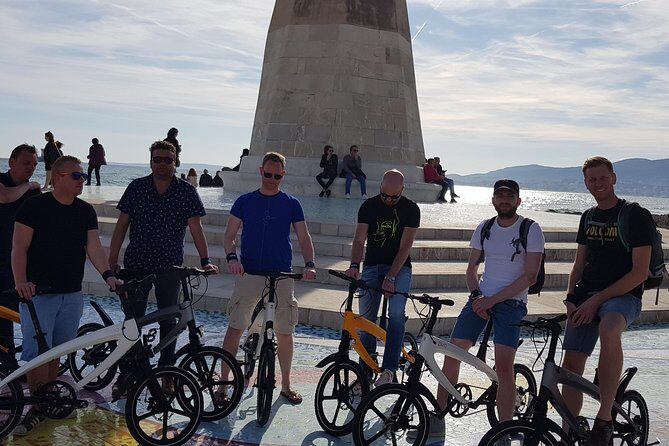
This is a guided small-group loop with short stops—often around five minutes—so your guide can give you the story without killing momentum. Think of it like moving through Palma with a human map.
Stop 1: Placa Major (Plaça Major)
You begin in the Plaça Major, the city’s classic meeting square. This is where the guide explains why it matters for Palma—basically, the square as a hub for daily life and a jumping-off point for finding your way around. It’s a smart opener because it gives you a reference point before the ride starts branching into narrower streets.
Practical note: this is one of those places where you can orient yourself visually, even if you’re not sure what direction everything faces.


Stop 2: Parroquia de Santa Eulalia
Next comes Parròquia de Santa Eulàlia, a church stop focused on architecture and historical importance. You’re not going deep inside here; you’re getting the exterior and the “why this building shows up so often in Palma stories” part.
This is where the tour starts feeling more than sightseeing-by-bike. You’ll start hearing how architecture signals different eras and how Palma’s religious buildings helped shape the city’s identity.
Stop 3: Reial Convent de Sant Francesc
Then you roll to Reial Convent de Sant Francesc. The big draw is the architecture and cloister atmosphere, plus background on the convent’s history.
A cloister is one of those things you understand instantly when you’re standing near it: you get the sense of a calm inner world connected to a busy city outside. Even with a short stop, it makes the tour feel varied—church to convent to city power points.
Stop 4: La iglesia de Monti-sion
La iglesia de Monti-sion keeps the architectural thread going. Expect another quick story about the church’s place in Palma and what you’re seeing in its structure.
If you prefer tours that connect dots instead of listing names, this stop is part of that “connect the city” effect.
Stop 5: Monestir De Santa Clara
At Monestir de Santa Clara, you’ll talk about the convent and its history, again with an emphasis on architecture you can recognize. Convents in Palma can feel like time capsules. Even when you’re only there briefly, it’s the kind of stop that makes you slow down while you’re still moving.
The mid-tour shift: from monuments to trade and views
After the monastery/church stretch, the tour turns toward places tied to public life and big-picture Palma.
Stop 6: Sa Llotja
Sa Llotja is a key stop because it’s about use—how this building functioned in the past and what it’s used for today. That “then and now” format works well on an e-bike tour because you’re learning the practical story behind what you see.
If you’ve ever wondered why some buildings feel more official or commercial than religious, this is where the tour starts making that click.
Stop 7: Es Baluard Museu d’Art Modern i Contemporani de Palma (view stop)
At Es Baluard, you get a short museum-time window (around 10 minutes)—but museum entry isn’t included. The value here is partly what you learn and partly the vantage point: you can get excellent views over the old town.
This stop is often the “I didn’t expect the view to be that good” moment, especially because you’re on an e-bike and the viewpoint arrives naturally as part of the ride.
If you’re tempted to go inside, you can decide after seeing the surroundings and realizing whether that museum time fits your schedule.
Palau de l’Almudaina and La Seu: royal palace energy meets cathedral scale
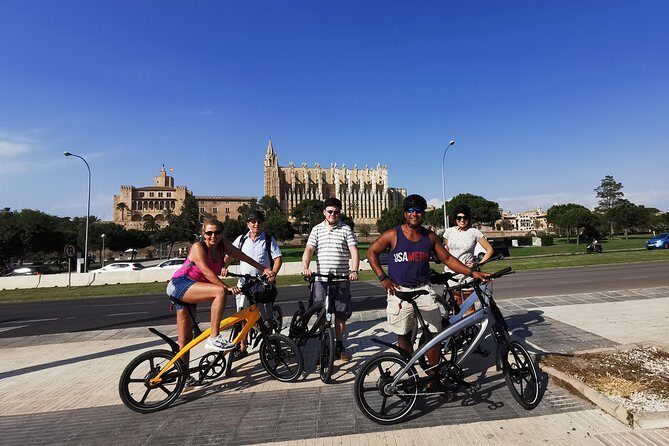
These next stops are the big “you’re really in Palma” landmarks.
Stop 8: Palau de l’Almudaina
Palau de l’Almudaina is the royal palace stop. You’ll hear about the palace’s history, creators, architecture, and how it was used then and now. Even without interior access, the outside and the setting do a lot of work—this is where Palma’s layers feel obvious.
You also get a sense of how power and city layout overlap. It’s not just a building; it’s part of how Palma organizes itself.
Stop 9: Catedral de Mallorca
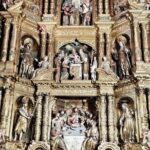
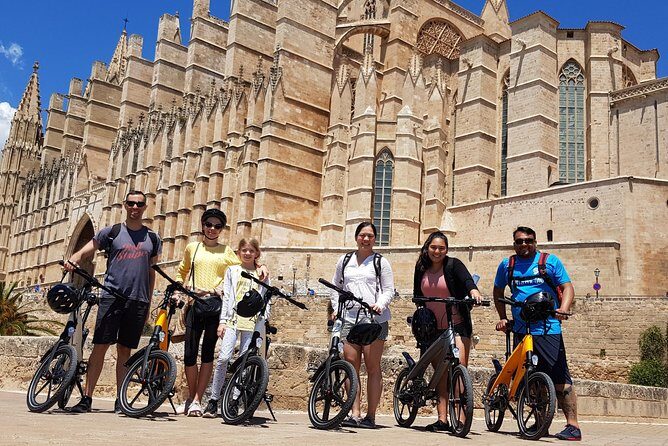
Then comes Catedral de Mallorca, described as one of the most unique cathedrals in Europe. You’ll get architecture and history highlights, again with no interior tour included.
Even if you don’t go inside, you’ll learn what makes it distinctive—enough that returning later for a full visit won’t feel like you’re starting from scratch.
Bellver Castle: the best reason to do the uphill
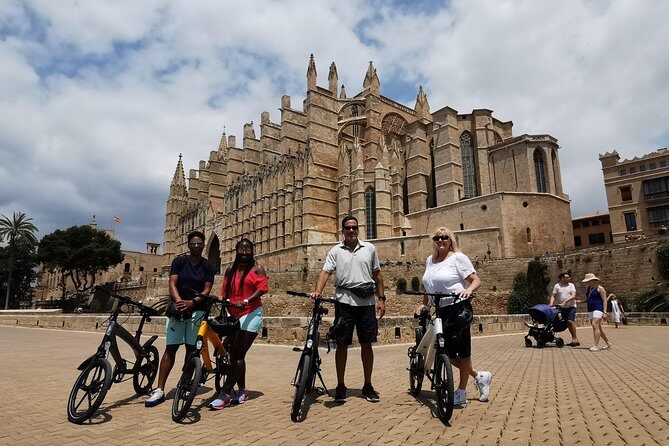
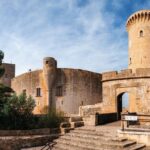
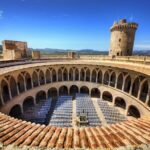
No Palma highlights list is complete without Castell de Bellver. This tour includes the outside view and the panoramic payoff.
You’ll see:
- the city spread
- the port area
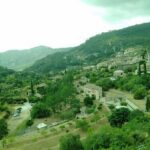
- and the Tramuntana mountain range in the backdrop
Multiple reviews call this the highlight, and the reason is simple: you do the climb as part of the ride, not as a separate sweat-fest. With electric assist, the uphill section becomes more like “work” than “ordeal.”
That said, don’t ignore the practical warning from feedback: bike seats can feel hard, and the brakes aren’t always perfect. If you’re sensitive to comfort on longer rides, bring the mindset that this is still a biking experience, not a comfy day-spa chair.
The real ride experience: what it feels like on the ground
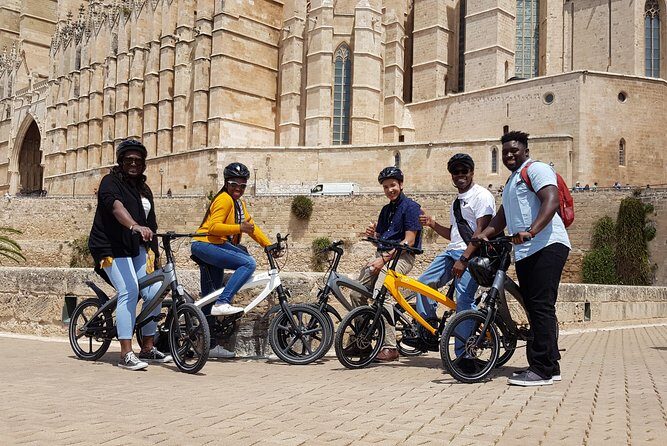
Based on the comments, you’ll likely find these patterns:
E-bikes are easy, but still you ride. People note that it feels like you’re still biking. That means you should wear appropriate shoes and be ready to pedal lightly even with assist.
Group size stays small. With a max of 4 travelers, you get a better chance of keeping up and hearing details. It also helps with traffic flow and stopping at viewpoints without a big crowd.
Bike lanes are generally marked. Feedback mentions well-marked lanes, which reduces stress. Still, expect the usual mix of city streets and attention required.
Bring water and expect heat. One review specifically mentions it being around 85°F. In that situation, the e-bike helps, but you’ll still feel the climate. I strongly recommend planning for sun and hydration.
Comfort items matter. Some comments mention hard seats and not-great brakes. If you’re the type who needs softer saddles, consider bringing padded cycling shorts.
Meeting monuments without paying for entry to everything
This is a short-stop sightseeing plan. That’s why it’s priced for value: you get the guided context for major landmarks without stacking up separate tickets.
But it also means you won’t have the full monument experience during the tour. If a specific stop is a must-see interior (cathedral, palace, museum), you’ll want to plan a return on your own.
That’s not a deal-breaker. It’s often the best way to travel—do the guided overview first, then pick what’s worth your time and money for a deeper visit later.
Quick pros and cons to help you decide
Pros you’ll likely feel right away
- You cover a lot of Palma in about three hours
- The small group format keeps the experience personal
- The guides named Juan and Mario show up as standout positives in feedback
- Bellver Castle views are a real reward for the climb
Things to think through
- Interiors aren’t included, so plan how you’ll handle must-see buildings afterward
- Seats can be uncomfortable for some people
- Meeting point instructions can be tricky with map apps
- You still need basic bike comfort and stamina, especially in warm weather
Should you book this e-bike tour of Palma?
If you’re visiting Palma for a short time, or you want a clean way to understand where everything sits, I’d say yes, book it. It’s especially good for first-time Palma visitors who want the big landmarks plus an easy way to get out to Bellver without walking uphill for hours.
Skip it or think carefully if:
- you need lots of interior time at multiple monuments (this isn’t set up for that)
- you’re very sensitive to saddle comfort or city riding conditions
- you’re arriving with no flexibility and worry about finding the meeting spot (map confusion is real, so arrive a bit early)
If you want a practical, efficient introduction to Palma with a guide who keeps the ride moving and the stories clear, this is a strong choice.
FAQ
FAQ
How long is the 3 Hours E-Bike Tour in Palma?
It runs about 2 hours 45 minutes to 3 hours.
Where does the tour start?
The meeting point is Travessa d’en Ballester, 8, Centre, 07002 Palma, Illes Balears, Spain.
What time does it start?
The start time is 10:00 am.
What language is the tour offered in?
The tour is offered in English.
Is this a small-group tour?
Yes. The maximum group size is 4 travelers.
What’s included in the price?
Included are use of the bicycle, the guide, and taxes included.
What isn’t included?
Tour inside the monuments is not included, and specific attraction admissions like Es Baluard and Palau de l’Almudaina / Catedral de Mallorca / Bellver are not included.
Is the tour inside a building or outdoors?
It’s an outdoor city ride with stops at major landmarks; you’ll generally view them from stop locations rather than doing full interior visits.
What weather is required?
The experience requires good weather. If it’s canceled due to poor weather, you’ll be offered a different date or a full refund.